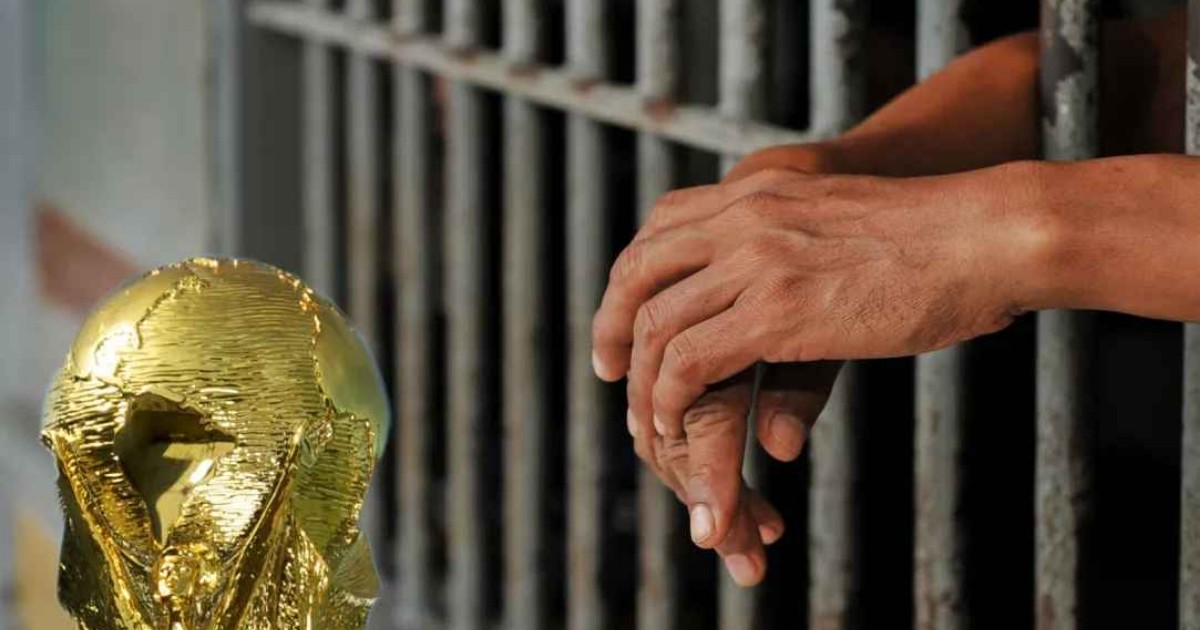
Kansas City authorities are facing intense public backlash following the failure to complete a controversial $25.8 million detention facility in time for the 2026 World Cup. The temporary jail, which officials promised would be operational before the influx of international tourists and football fans, remains unfinished, leaving the city’s security preparations in a precarious state.
The facility was originally slated to open by June 1, providing 100 modular beds to handle potential security issues during high-profile matches, such as the upcoming clash between Argentina and Algeria at Arrowhead Stadium on June 16. However, ongoing shortages of construction materials and critical staffing failures have indefinitely stalled the project. Since 2009, Kansas City has lacked a municipal jail, forcing law enforcement to transport detainees more than 50 miles away to Johnson or Vernon County facilities—a logistical challenge that officials hoped this project would alleviate.
Local leaders had explicitly tied the necessity of the jail to the World Cup. In a city council meeting last July, Councilman Wes Rogers urged immediate action, stating that the facility needed to be ready regardless of preparations. Now, the City Manager’s office has confirmed that the detention center will not be available for use during the tournament. The inability to deliver the project on schedule has drawn sharp criticism from residents, who are questioning the efficiency of the planning and the allocation of taxpayer funds.
The project was intended to serve as a five-year interim solution while the city works toward a larger, $151 million permanent correctional facility. With the tournament days away, the failure to activate the temporary site leaves local law enforcement without a dedicated municipal holding area, potentially straining police resources during the busiest period in the city’s history. As Kansas City prepares for the global spotlight, the unfinished jail remains a significant point of contention for local officials, who must now grapple with the consequences of an unfulfilled security promise.