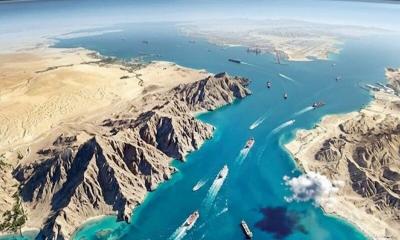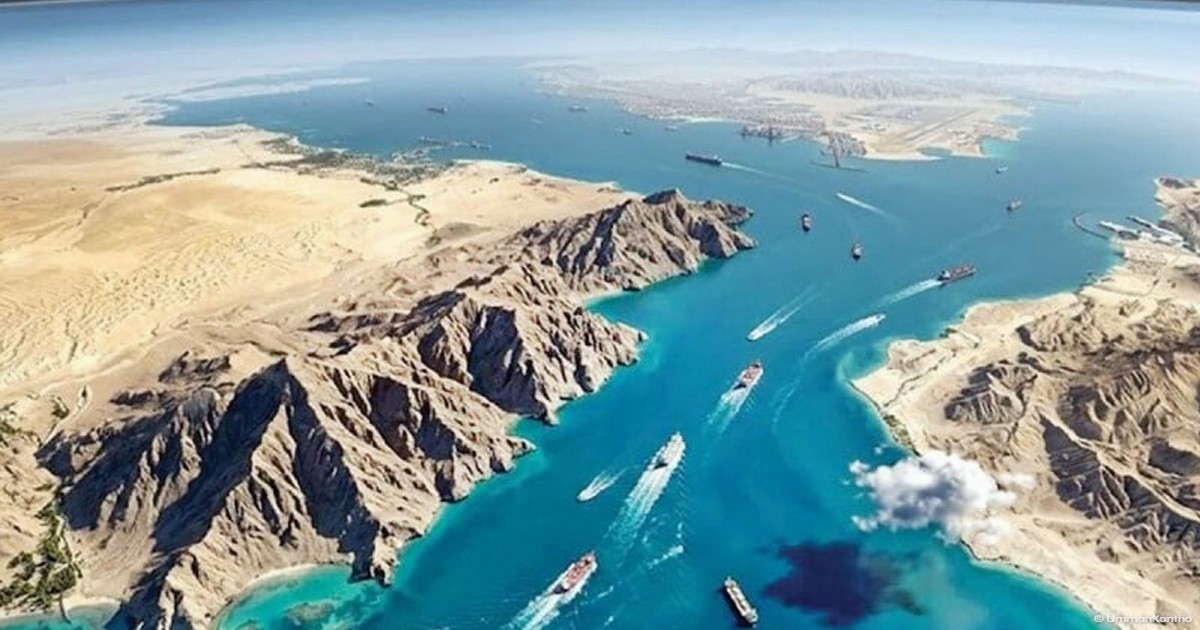
Iran has formally implemented a new set of restrictive regulations and transit tolls for all commercial vessels navigating the Strait of Hormuz, one of the world`s most critical maritime chokepoints. This strategic move by Tehran, announced on Monday, May 11, 2026, comes amid an escalating geopolitical standoff with the United States and a series of reciprocal sanctions. As nearly 20% of the world’s global oil and gas supply passes through this narrow waterway, the introduction of these new rules has sent shockwaves through international energy markets and maritime insurance sectors.
According to the shipping journal Lloyd’s List, the newly established "Persian Gulf Strait Authority" (PGSA) is now the primary body overseeing these regulations. Under the new framework, all vessels are required to submit a comprehensive "Vessel Information Declaration" prior to entering the strait. This declaration includes more than 40 mandatory questions ranging from ship ownership and insurance details to the specific nature of the cargo and the identity of the crew. Furthermore, vessels must disclose their proposed routes and any history of name changes or identification numbers, effectively granting Tehran total visibility into the regional maritime traffic.
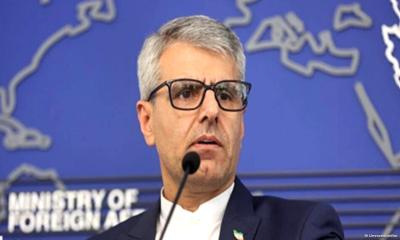
Iranian state media confirmed that the primary objective of these measures is to assert full sovereignty over the Strait of Hormuz and bolster regional security against "foreign interference." The Iranian military has issued a stern warning, stating that vessels belonging to nations that adhere to U.S.-led sanctions against Iran will face significant challenges in securing passage. There are strong indications that ships associated with the United States and Israel will be outright denied permission to use the route. Meanwhile, major regional players like India and Pakistan have reportedly begun diplomatic channels with Tehran to ensure the safe passage of their flagged vessels.
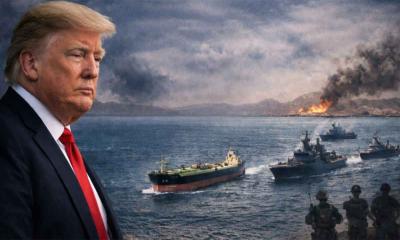
The Trump administration has reacted with sharp condemnation, describing the tolls as an illegal obstruction of international freedom of navigation. The White House has cautioned shipping companies against paying the Iranian fees, labeling the move a form of state-sponsored maritime extortion. Working closely with Bahrain, the United States is currently pushing for a United Nations Security Council resolution to condemn the Iranian actions. However, diplomatic sources suggest that Russia may exercise its veto power, further complicating the international response and highlighting a growing rift within the UN.
The office of Supreme Leader Mojtaba Khamenei stated that the control of the strait is a vital weapon in building a "Strong Iran" and ending the dominance of external military powers in the Persian Gulf. Since the wider Middle East conflict erupted in February, the instability in this waterway has already contributed to a sharp rise in global energy prices. While many nations are exploring alternative routes, the logistical reality is that there is no immediate substitute for the Strait of Hormuz. The current impasse has left the global economy in a state of precarious uncertainty, with the potential for military miscalculations at an all-time high.
Given the strategic importance of the Strait of Hormuz to the global energy supply, how do you think international shipping companies will navigate the conflict between U.S. sanctions and Iran`s new toll demands?