At least 10 civilians have been killed in the San region of central Mali following a military drone strike conducted by the national army. The incident targeted a traditional community celebration, international monitoring channels confirmed on Monday. Local residents from the Tene area alongside security sources detailed the unfolding humanitarian tragedy to the French news agency AFP.
A festive cultural gathering instantly turned into a site of profound mourning.
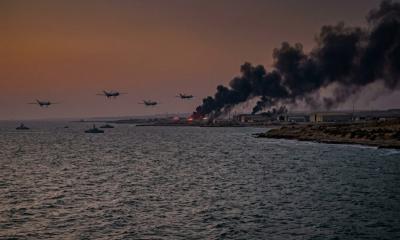
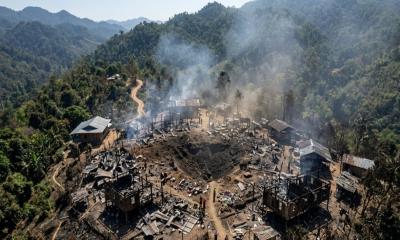
An anonymous security official stated that the village population was preparing for the second day of a traditional mass wedding ceremony. The military airstrike explicitly targeted a continuous procession of moving motorcycles, which likely drew the immediate attention of surveillance drone operators. Government forces reportedly mistook the civilian caravan for an active convoy of armed rebel fighters operating within the volatile sector. The sudden blast resulted in the immediate deaths of 10 young villagers, whom grief-stricken relatives described as innocent children of the community.
This devastating operational error comes amid an unprecedented security crisis shaking Mali since April, when two major insurgent coalitions, the JNIM and the FLA, formed a unified front. Their subsequent deadly campaigns on April 25 and 26 successfully compromised multiple strategically vital towns across the nation. The offensive notably resulted in the death of Mali’s highly influential defense minister, severely shaking government stability. International correspondents report that these coordinated rebel maneuvers have induced a state of deep anxiety and systemic panic within the national military high command.
Regional authorities appear completely caught off guard by the evolving warfare.
Alex Vines, the Africa director at the European Council on Foreign Relations, observed that recent insurgent strategies have left Malian security organs fundamentally unprepared. The mineral-rich nation, heavily endowed with gold deposits, has faced chronic geopolitical instability and civil conflict since 2012. In its bid to salvage territorial control, the Malian government increasingly relies on the Russia-controlled paramilitary group known as Africa Corps, which recently replaced the Wagner Group. As insurgent forces continue systematically targeting state garrisons, the risk of high-altitude military errors impacting civilian zones continues to escalate.