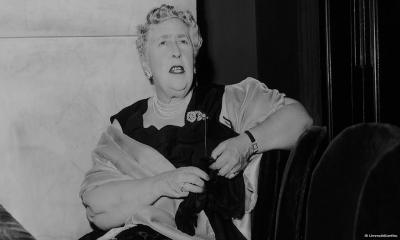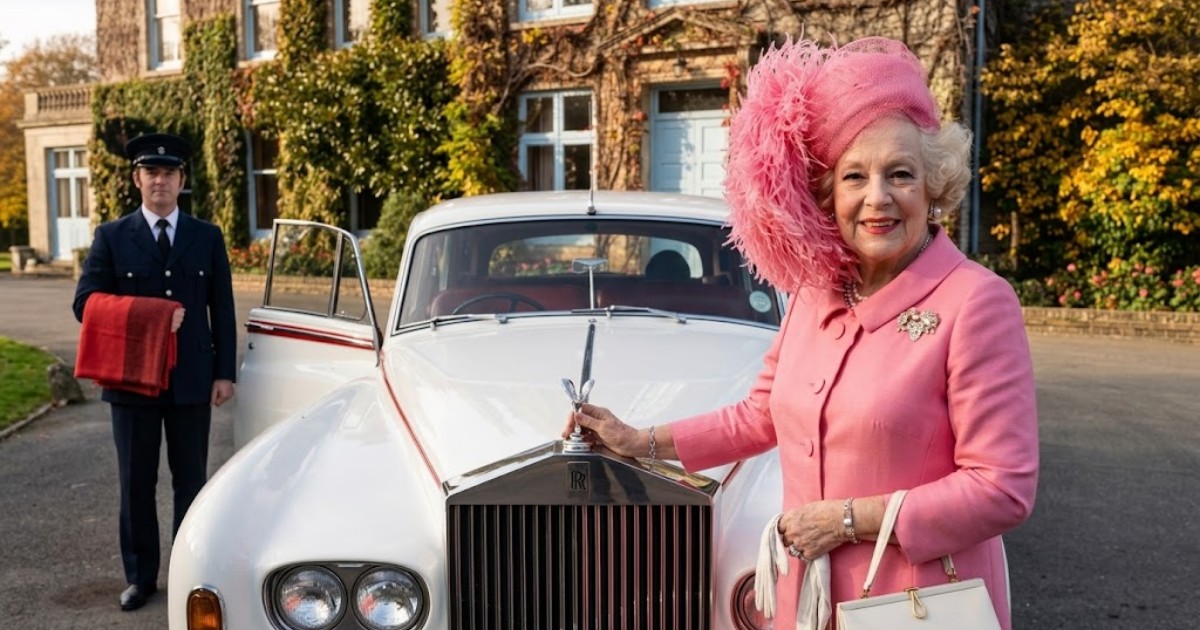
British novelist Dame Barbara Cartland stands alongside William Shakespeare and Agatha Christie as one of the three most commercially successful authors in recorded history, according to cultural retrospectives published by BBC News and The Guardian. Over an extraordinary literary career, she authored 723 books and achieved estimated global sales of 750 million copies. Despite this unprecedented commercial scale, her literary catalog has largely faded from contemporary bookshelves, while public memory has fixated on her theatrical persona, flamboyant attire, and relentless public self-promotion.
Now, a quarter of a century after her death in 2000, historian and broadcaster Matthew Sweet has produced an extensive biographical study titled The Great Dictator: A Life of Barbara Cartland. The title highlights her unorthodox working method of dictating entire novels aloud to a secretary from her chaise longue. Sweet was granted full access to Cartland’s personal archives at her Camfield Place estate by her granddaughter Tara McCorquodale. The resulting work seeks to rescue the writer from caricature, situating her prolific output within the broader transformations of twentieth-century British society.
Her mass-market formula became an escape hatch for millions of post-war readers.
Born in 1901, Cartland lived through two world wars, the decline of the British Empire, and massive cultural realignments. After her grandfather committed suicide amid financial ruin during her early childhood, the family moved into modest circumstances, driving her relentless ambition to establish herself among London high society. Beginning as a newspaper columnist, she published her debut novel in 1925, producing early works that boldly touched on social controversies, illegal medical procedures, and the emergence of European extremism.
During the boom of inexpensive paperbacks in the 1960s and 1970s, Cartland refined a high-velocity production pace that generated a completed historical romance roughly every fortnight. Her public profile rose further through personal connections to the British aristocracy, eventually becoming the step-grandmother of Princess Diana following her daughter’s marriage to Earl Spencer. Beyond fiction, she served as a local Conservative councillor and actively campaigned for the civil rights and legal settlements of marginalized Romany Gypsy communities. Sweet’s critical reassessment arrived in bookshops across the United Kingdom on September 10.