While cancer remains a highly complex and life-threatening condition, early diagnosis combined with modern therapeutic options allows many patients to transition back into healthy lives. Contemporary medical protocols utilize powerful drug interventions, including chemotherapy, targeted therapies, immunotherapies, and hormone treatments, to systematically destroy cancer cells and halt their systemic proliferation. However, because different cellular structures respond uniquely to specific chemical agents, the clinical effectiveness and physiological side effects of these medications vary substantially across individual patients.
Regular medical follow-ups remain the most definitive way to track clinical progress.
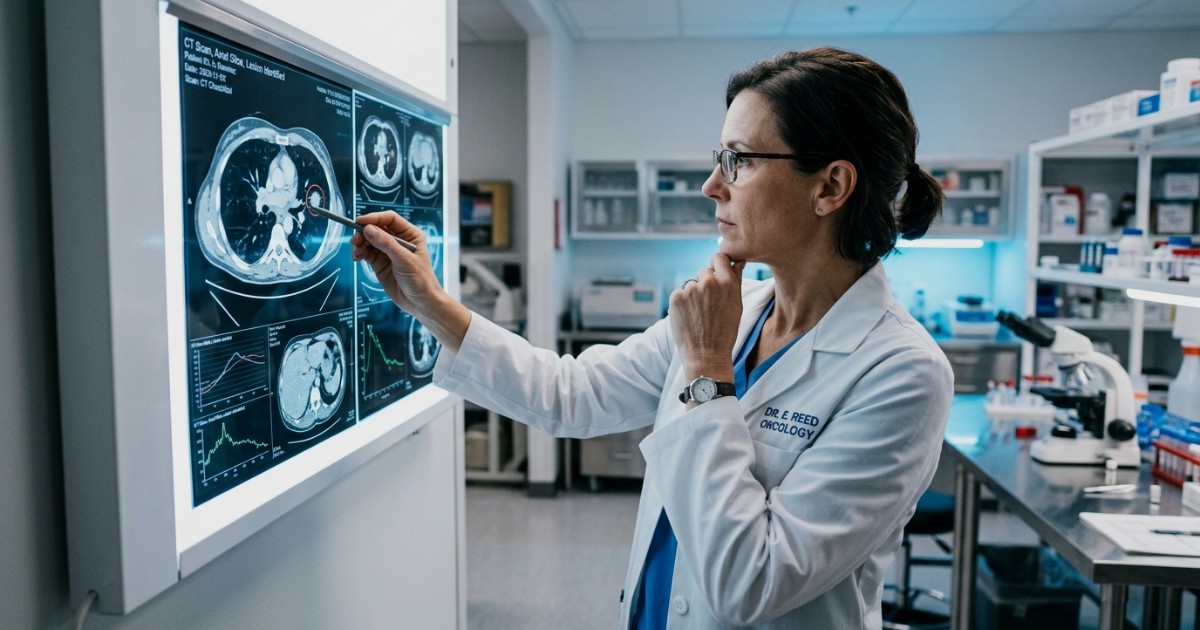
Oncologists primarily rely on sequential medical imaging and blood panels to scientifically evaluate whether a prescribed drug regimen is working effectively within the body. Diagnostic tools such as CT scans, MRIs, and PET scans allow clinicians to directly observe whether the primary tumor mass has visibly shrunken or if the disease has metastasized to new anatomical sites. Furthermore, comprehensive blood assessments track specific cancer biomarkers, including CA 125, PSA, and CEA; a measurable decline in these protein concentrations provides concrete scientific evidence that the ongoing therapy is achieving its intended objective.
Visible improvements in physical symptoms also serve as reliable practical indicators that a treatment plan is working. A gradual reduction in chronic pain, debilitating fatigue, or respiratory distress induced by localized tumors suggests a positive systemic response to the medication. Similarly, a stabilization of body weight, a return of normal appetite, and the steady normalization of vital blood counts—such as hemoglobin, white blood cells, and platelets—indicate recovery. Clinical outcomes are formally classified by oncologists into distinct categories: a complete response where the tumor completely disappears, a partial response showing significant shrinkage, or a stable disease state where the tumor halts its growth.
A common misconception among patients is that the absence of severe treatment side effects like hair loss or nausea means the medication is failing. Oncology experts clarify that the presence or intensity of physical side effects does not correlate directly with the therapeutic success of the drugs. In modern oncology practices, advanced pharmaceuticals like pembrolizumab, nivolumab, and trastuzumab are widely administered to manage diverse cancer profiles. Ultimately, any cancer medication must be managed exclusively under the strict supervision of a qualified oncologist through scheduled clinical evaluations.