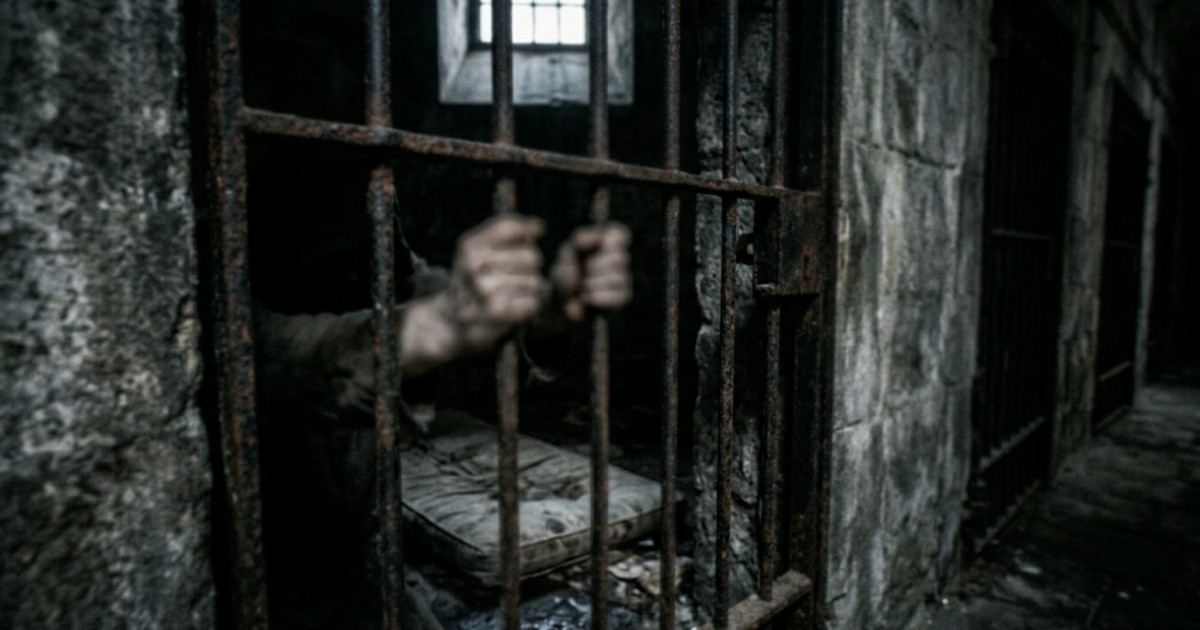
A severe prison overcrowding crisis is gripping some of Europe’s wealthiest nations, leading to a drastic deterioration of jail conditions and rehabilitation programs. According to recent international news reports, facilities in countries like Belgium are operating significantly over their designated capacity. The combination of surging inmate numbers and critical guard shortages has rendered the daily maintenance of human rights standards nearly impossible.The situation has reached a critical breaking point.
Data from the directorate-general of prisons reveals that Belgium’s 39 prisons currently house 13,733 inmates, far exceeding their actual capacity of 11,064. As of mid-May, 754 detainees were forced to sleep on mattresses spread across cell floors, up from 672 in December. This issue extends beyond Belgian borders, with Cyprus, Slovenia, France, Croatia, Italy, Romania, and Austria registering the highest occupancy rates across the continent. Prison populations have dramatically increased since the pandemic.
Inmates are frequently confined to their 9-square-meter cells for up to 23 hours a day due to severe understaffing. A 34-year-old former inmate named Bilal recalled sharing tiny cells with multiple detainees where bed bugs and diseases spread rapidly without adequate medical care. Watchdogs report that medical attention is delayed by months, and critical incidents within jail complexes have doubled within a single year. Experts attribute the spike in numbers to Belgium`s recent policy shift enforcing all short-term sentences behind bars rather than utilizing electronic monitoring, alongside prolonged pretrial detention periods.
In response to the domestic gridlock, the Belgian Ministry of Justice has explored unconventional options, including discussions to rent prison cells in Estonia, Kosovo, and Albania. While Sweden and Denmark have already secured similar offshore agreements, criminologists criticize the strategy as purely symbolic and populist. Given that Belgium’s reoffending rate stands between 60 and 70 percent, activists argue that long-term stability can only be achieved by focusing on societal reintegration and alternative community punishments rather than simply expanding carceral capacity.