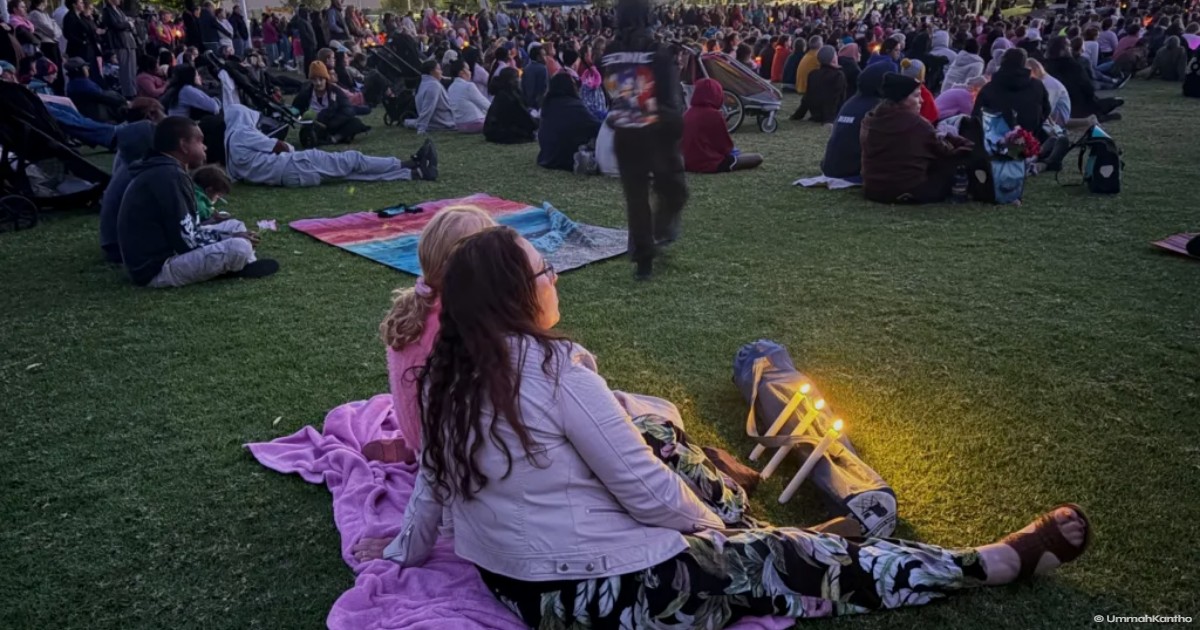
The tragic disappearance and subsequent death of a five-year-old Indigenous girl in the Northern Territory has ignited nationwide grief and political unrest. The child vanished from her bed at the Old Timers town camp in Alice Springs, prompting a massive community-led search before her body was discovered five days later. This devastating Aboriginal child murder Australia case has brought the country`s profound socio-economic divides into sharp focus. A local man has since been taken into custody and charged with her murder.
Out of profound respect for Indigenous cultural mourning practices, the deceased child is being referred to publicly as Kumanjayi Little Baby.
The tragedy has prompted immediate responses from the highest levels of government, with condolence motions passing through the federal parliament. Prime Minister Anthony Albanese addressed the nation, stating that the situation deeply breaks the heart of every citizen. Alice Springs Mayor Asta Hill acknowledged that while the community showed its absolute best collective effort during the search, the underlying reality remains grim. Catherine Liddle, the chief executive of the peak Indigenous children`s body SNAICC, noted that the tragedy underscores the deep love Indigenous families have for their children, while simultaneously exposing structural failures in one of the world`s wealthiest nations.
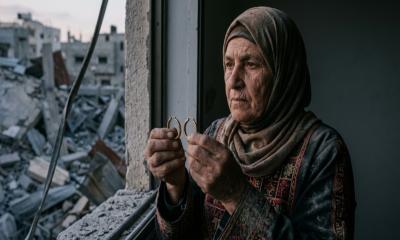
The conditions within the town camps of Alice Springs have long been a source of systemic concern. These settlements originated in the 1880s when European colonists displaced Indigenous groups from their traditional lands, and they were only formalized as public housing units in the 1970s. Today, residents suffer from severe overcrowding, crumbling infrastructure, frequent power grid failures, and a near-total absence of public transport or internet access. Public health researchers point out that the institutionalized poverty of these camps directly drives the cycles of substance abuse and domestic violence that afflict the region.
In the wake of the public outcry, Northern Territory Child Protection Minister Robyn Cahill announced an immediate independent review into the territory`s child welfare frameworks. Cahill stated that she refuses to be a minister who abandons another generation of vulnerable children to systemic paralysis. However, coalition groups including the Aboriginal Peak Organisations Northern Territory (APONT) have strongly condemned the state-led review. They argue that rushing into structural alterations risks weakening the foundational Aboriginal Child Placement Principle, effectively turning a government failure into a race-based blame campaign against grieving families.
Indigenous Australians comprise approximately three percent of the total national population but make up nearly twenty percent of the residents in Alice Springs. Historically, these communities experience triple the unemployment rates of non-Indigenous Australians, alongside significantly lower life expectancies. The trauma is further compounded by memories of the Stolen Generation policies, which forcibly separated tens of thousands of children from their mothers until the late 1970s. Furthermore, controversial legislative adjustments in 2024 lowered the age of criminal responsibility to ten, funneling young Indigenous children directly from protection services into detention centers.
Aboriginal community elders insist that temporary security fixes, such as erecting fences around public properties, cannot resolve decades of disenfranchisement. True stabilization requires direct, community-led investments into native-designed housing, healthcare, and rehabilitative justice systems.