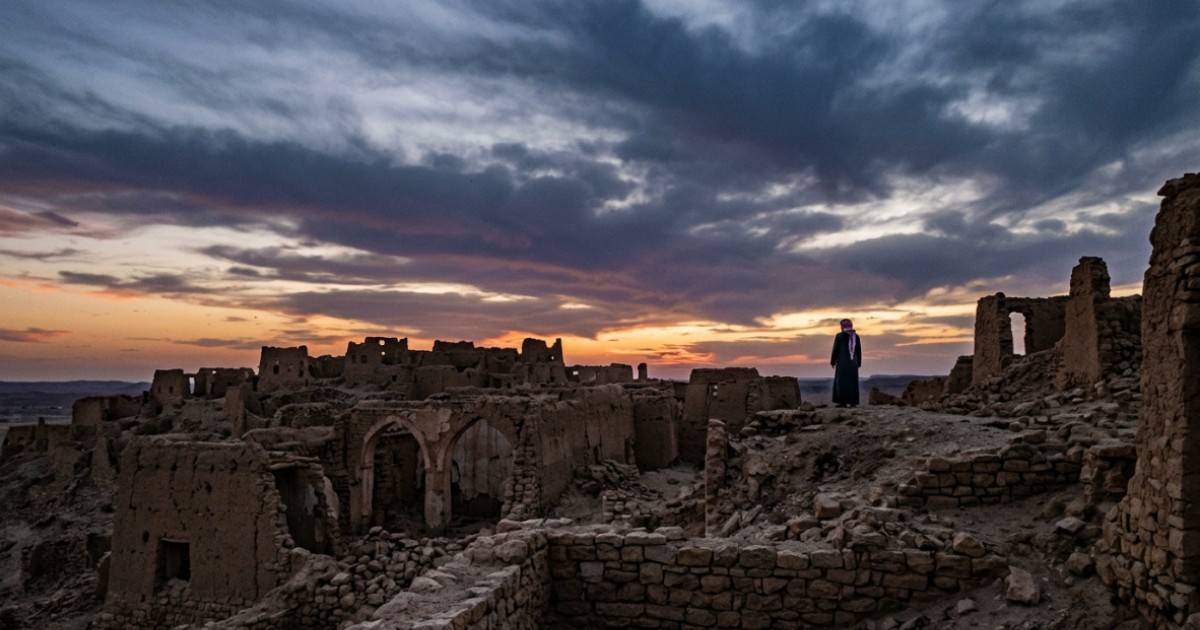
The Holy Quran contains detailed accounts of the destruction of various ancient nations, such as the people of Aad, Thamud, the people of Lut, and the community of Pharaoh. These narratives serve as profound lessons about the consequences of disobedience and arrogance. However, Islamic theology is clear on one fundamental principle: Allah does not destroy a nation suddenly or without cause. He provides warnings and opportunities for repentance long before the final decree of punishment is executed. This process is part of Allah’s infinite mercy and His established laws of justice.
The first stage of divine warning comes through the sending of Prophets and Messengers. Allah states in the Quran that He does not punish any people until He has sent a Messenger to them (Quran 17:15). There is no nation that has not received a warner (Quran 35:24). Furthermore, even if a nation is unaware of the truth, Allah does not punish them. It is not the way of the Lord to destroy communities for their injustices while their inhabitants are unaware or unguided (Quran 6:131). This underscores the concept that divine justice is only enacted after the truth has been clearly conveyed.
When the warnings of the Prophets are ignored, the second stage involves the use of hardships, famines, and various crises to awaken the nation from its heedlessness. Allah mentions in the Quran that He afflicted past nations with poverty and hardships so that they might humble themselves (Quran 6:42). These crises are not final punishments but rather spiritual calls meant to encourage individuals to realize their mistakes, abandon arrogance, and turn toward their Creator. These periods of trial are genuine opportunities for introspection and correction.
The third stage involves warning through the righteous and conscious individuals within society. This is part of the process of societal purification. The Prophet Muhammad stated that if people see an oppressor engaging in injustice and do not restrain his hands, Allah will soon engulf them all in a comprehensive punishment (Jami at-Tirmidhi, 2168). The Quran warns believers to fear a trial that will not only afflict those who have done wrong among them (Quran 8:25). Failure to stand against injustice represents a breakdown in collective responsibility, which can push an entire society toward calamity.
The most terrifying stage is known as Istidraj. When a nation remains arrogant despite all opportunities and warnings, Allah opens the doors of worldly prosperity for them. The Quran explains that when they forgot the advice they were given, He opened the doors of everything for them. Finally, when they rejoiced in what they were given, He seized them suddenly (Quran 6:44). This is the final stage before divine seizure, where people become so absorbed in worldly success that they forget the afterlife and the reality of divine accountability.
Ultimately, no human has the authority to declare any specific disaster or calamity as a definitive divine punishment, as the knowledge of the unseen belongs solely to Allah. However, it is clear from the Quran and Hadith that the spread of sin and injustice, coupled with the persistent ignoring of warnings, invites divine intervention. Therefore, every individual and society has a duty to engage in Tawbah, Istighfar, speak out against injustice, and return to the commandments of Allah. On the Day of Judgment, even the inhabitants of Hell will be asked if a warner came to them, and they will admit that while a warner did come, they denied him (Quran 67:8-9). This life remains the only opportunity for correction.