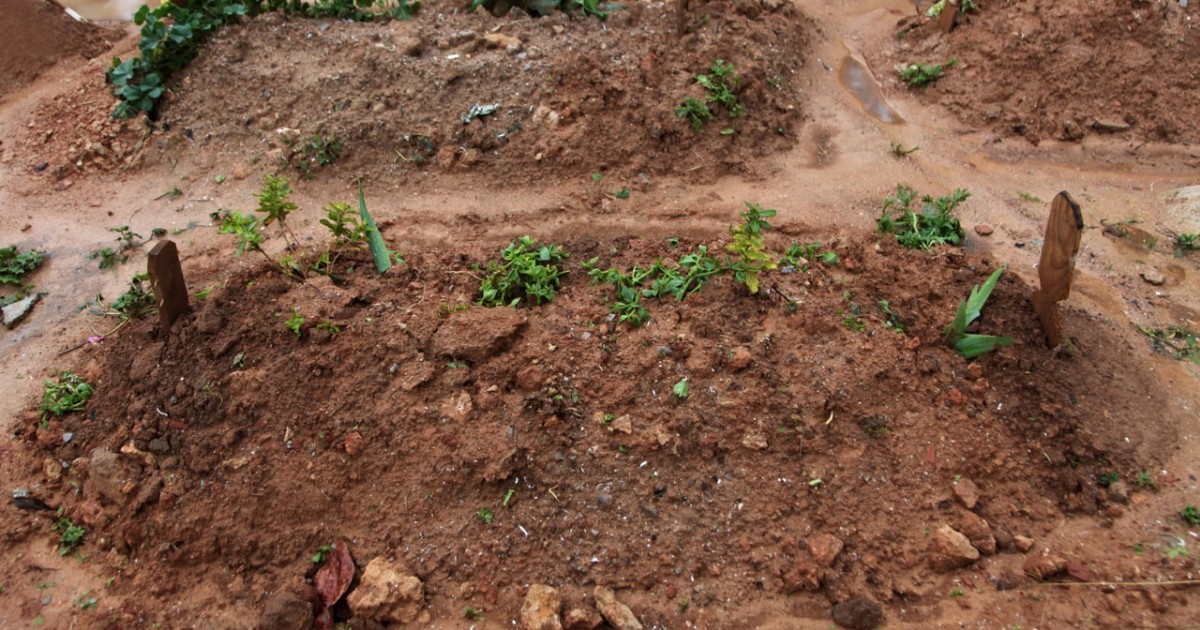
In the Islamic tradition, the dignity and sanctity of a human being are not confined to their lifespan but extend well beyond death. The Quran explicitly emphasizes the honor bestowed upon the children of Adam, and this principle dictates that a deceased individual must be treated with the utmost respect. Consequently, the Islamic community bears the solemn responsibility of ensuring the deceased are shrouded, prayed over in the funeral prayer, and interred in a dignified manner.
Graveyards in Islam are considered sacred spaces, and the preservation of these sites is a communal obligation. Jurists have established strict guidelines to prevent any form of desecration. Generally, opening an existing grave to bury another individual, constructing buildings over graves, or sitting upon them is prohibited. These restrictions are rooted in the necessity of maintaining the sanctity of the remains until they have fully decomposed.
However, Islamic jurisprudence recognizes the concept of necessity, known as darurah, in extreme circumstances. If a cemetery is completely filled and no alternative space is available, specific exceptions may be considered. According to major classical Fiqh texts, such as Tabyin al-Haqa`iq, burial in an existing grave is permissible only when it is firmly established that the remains of the previous occupant have completely decomposed and turned into earth, leaving no trace of bones or physical remains.
If, during the process of preparing a grave, older remains or bones are encountered, they must not be discarded or treated with disrespect. Instead, they should be carefully gathered and reburied in a corner of the grave or another designated sacred spot. It is strictly forbidden to exhume or disturb a grave where the remains are believed to still exist, as this violates the rights of the deceased. Juristic references such as Radd al-Muhtar emphasize that these measures are intended to uphold the dignity of the burial process. Protecting the sanctity of the cemetery remains a fundamental duty for the living, reflecting the Islamic belief that the respect afforded to the deceased is a fundamental expression of faith and community cohesion.