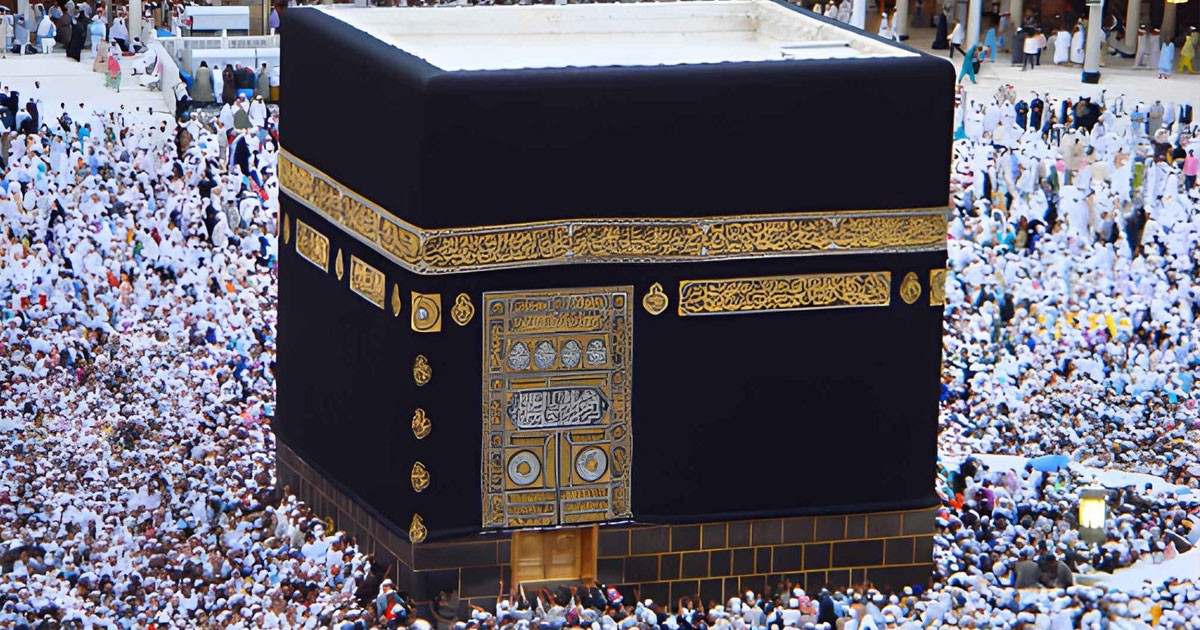
The Hajj is one of the five pillars of Islam, yet its significance transcends the ritual itself. It serves as a monumental hub for the spiritual, social, cultural, and economic life of the Muslim Ummah. For centuries, the Hajj has functioned as an engine for the development of Muslim civilization, fostering unity across language, ethnicity, and geography. By transcending earthly limitations, it reinforces the concept that faith remains the primary yardstick of human equity.
Hajj is a cosmic meeting place for all believers.
The greatest contribution of Hajj lies in shaping the collective consciousness of the Ummah. Millions of people from every corner of the globe converge at the same time and place with a singular purpose. Dressed in the same simple garment, they perform the same rituals, stripping away all distinctions of race and social standing. This collective experience teaches humanity to rise above superficial differences and embrace a unified identity rooted in devotion to the Creator.
A Crossroads of Knowledge and Economy
Since the earliest days of Islam, scholars have utilized the Hajj as a vehicle for the exchange of knowledge. The history of Hadith scholarship is inextricably linked to Hajj travels; legends like Imam Bukhari (RA) and Imam Muslim (RA), and later scholars like Shah Waliullah Muhaddis Dehlavi (RA), traveled to the holy cities not only to perform the pilgrimage but also to teach and learn. Even in contemporary times, the Haramain serve as a focal point for global scholars, continuing a tradition of intellectual transmission that has spanned over a millennium.
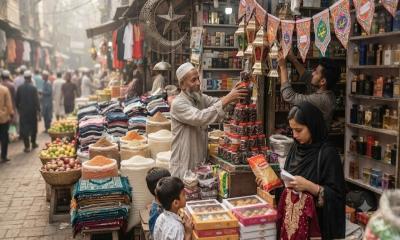
The relationship between Hajj and economics is equally deep-rooted. Trade fairs flourished in Makkah long before the advent of Islam, and historically, Hajj routes became primary arteries for international commerce. Major trade hubs, such as the Syrian city of Bosra, developed or expanded largely due to their role as stopping points for Hajj caravans. Today, the Hajj continues to foster economic cooperation and international market expansion, illustrating that commerce and faith have long coexisted within the Islamic framework, as permitted by the Quranic verse, "There is no sin upon you for seeking bounty from your Lord." (Surah Al-Baqarah: 198).
Geography, Politics, and Spiritual Evolution
The pilgrimage has also been a catalyst for geographical exploration and travel literature. Travelers like Ibn Battuta and Ibn Jubayr transformed their Hajj journeys into historical documents, providing invaluable records of social, political, and educational landscapes of their times. Politically, the Hajj has often served as a venue for solidarity; during the colonial era, leaders like Sheikh ul-Hind Mahmud Hasan Deobandi utilized the Hajj season to coordinate liberation movements, sending messages to followers across occupied Muslim lands.
Ultimately, Hajj is a journey of love. It is the ultimate gathering of those who seek the pleasure of Allah and the proximity of His Messenger (PBUH). This spiritual intensity has played a crucial role in the spread of various Sufi orders and the transmission of deep, experiential knowledge across the world. The Hajj is a comprehensive system that nurtures the soul while simultaneously addressing the intellectual, economic, and sociopolitical needs of the global Muslim community.