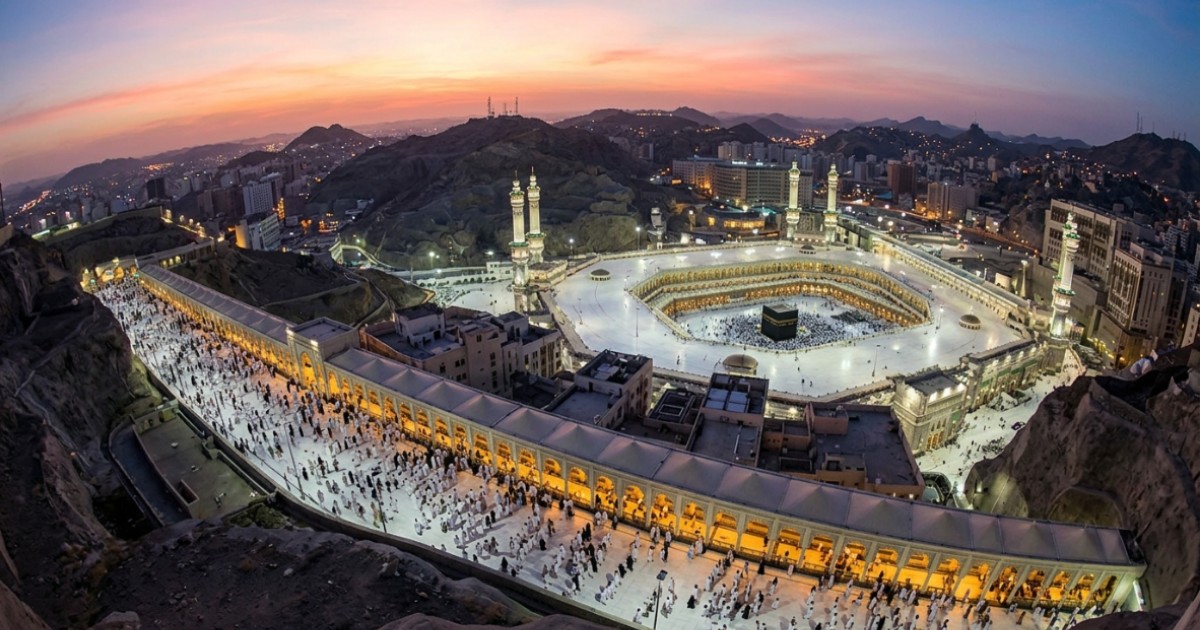
Performing the Sa`i—the act of walking or running between the hills of Safa and Marwa in Makkah—is more than just a pillar of the Hajj and Umrah pilgrimages; it is a profound spiritual journey. These two small hills are enshrined with a glorious history and a unique sanctity. In the Holy Quran, Allah explicitly designates these hills as His signs. Surah Al-Baqarah (verse 158) affirms that Safa and Marwa are among the symbols of Allah, and those who perform Hajj or Umrah commit no sin by traversing between them.
This is the majesty of sacrifice.
The names "Safa" and "Marwa" carry their own linguistic significance. Allama Ibn Ashur (RA) noted that Safa represents the peak of Mount Abu Qubais, composed of smooth, hard stone, while Marwa consists of white, softer stones once used to kindle fires. Scholars like Imam Qurtubi (RA) have historically suggested that Adam (AS) took refuge on Safa, while Hawa (AS) took refuge on Marwa, cementing their status in history long before the Islamic era.
The Sacrifice of Hajar (RA) and the Source of Zamzam
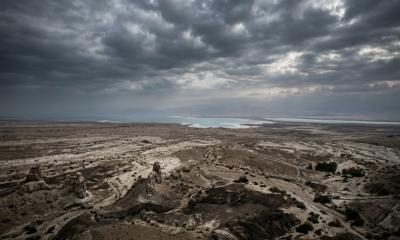
The most profound history tied to these hills is the trial faced by Prophet Ibrahim (AS), his wife Hajar (RA), and their infant son Ismail (AS). Following divine instruction, Ibrahim (AS) left his family in the desolate wilderness of Makkah. As their meager supplies of food and water vanished, a desperate situation unfolded. When Ismail (AS) began crying from thirst, Hajar (RA) was overcome with maternal anxiety. Seeking help, she climbed to the peak of Safa, scanning the horizon for any sign of life.
Finding no one, she hurried to the hill of Marwa, repeating this frantic search seven times between the two hills. Her unwavering struggle and total reliance on Allah were rewarded when the Angel Jibra`il (AS) caused the spring of Zamzam to emerge near the feet of Ismail (AS). This story serves as a perennial reminder for every pilgrim of the rewards that await those who display absolute faith in the Divine. Although the hills were later corrupted by the placement of idols during the Jahiliyyah, Islam restored them to their original status as places of pure worship.
Symbols of Worship and Prayer
The primary sanctity of Safa and Marwa derives from their status as signs of Allah. As clarified by the Quran, performing the ritual of Sa`i between these hills is a mandated part of the pilgrimage. This act is not merely a commemoration of Hajar’s (RA) struggle but an immersion into the very history of faith. It is a location where prayers are granted, as it is recorded in authentic traditions that the Prophet (PBUH) stood on Safa, facing the Kaaba, to offer supplications.
Pilgrims who traverse these hills today are walking in the footsteps of legends. They relive the anxiety, the struggle, and the ultimate relief of Hajar (RA), allowing her history to shape their own spiritual experience. This journey is a testament to the belief that for those who maintain Sabr (patience) and trust in Allah, the gates of mercy are never closed. The Sa`i reminds us that the struggle of a believer, when coupled with sincere faith, transforms from a source of anxiety into a fountain of eternal grace.