Spanish culinary culture is synonymous with tapas—small, shared plates that are far more than mere snacks. These bites serve as the foundation of Spain`s vibrant, social dining tradition. While Michelin-starred chef José Andrés has resided in and around Washington DC for over 35 years, his culinary heart remains firmly anchored in his native Spain. To celebrate the release of his new guide, Spain My Way: Eat, Drink and Cook like a Spaniard, he shared his insights on how to properly navigate this beloved custom.
For Andrés, tapas represent far more than a simple food group; they are a window into the Spanish soul.
When he first introduced Spanish cuisine to the American market decades ago through his restaurant Jaleo, he faced a significant challenge. At the time, the concept of sharing small plates was entirely foreign to local diners who preferred the traditional individual meal structure. Since then, the culture of moving plates to the center of the table has become globally embraced. Andrés describes tapas as a "Trojan horse" for understanding Spain—a commitment to being together and sharing an experience.
Eating tapas in their country of origin offers an entirely different experience compared to international imitations.
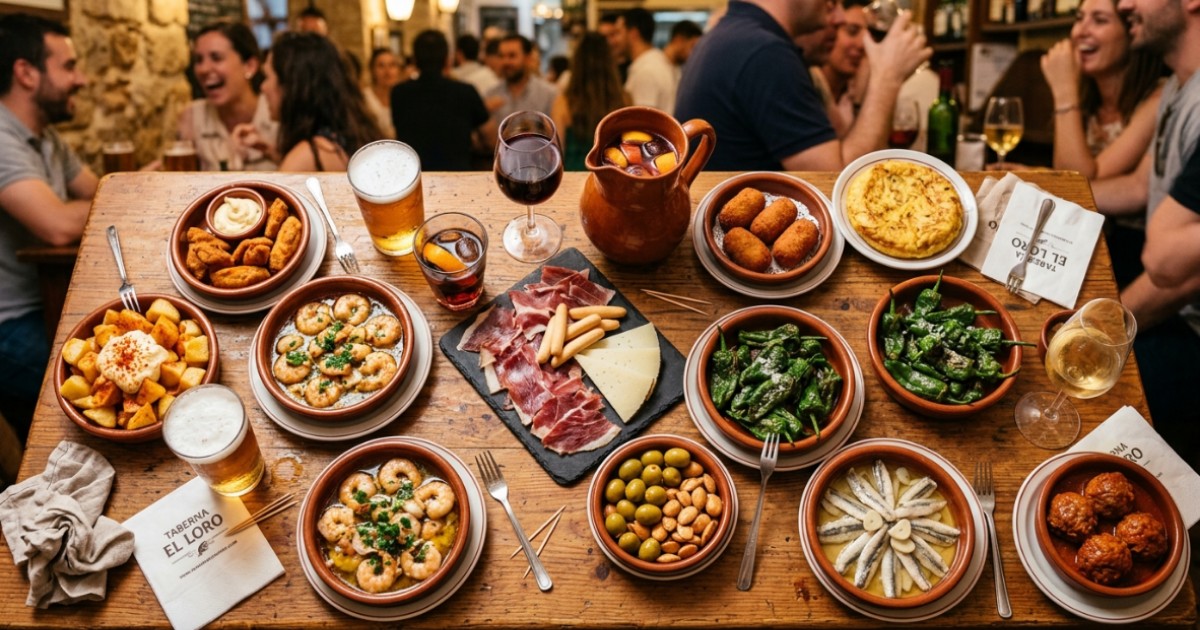
Spaniards are inherently social people, and tapas provide the perfect mechanism to facilitate this connection. You can find them in everything from rustic, neighborhood bars to high-end fine dining establishments. The diversity of the 17 distinct regions of Spain ensures that every taberna offers something unique. However, navigating these spaces requires a grasp of specific cultural norms that elevate the experience from simple consumption to genuine immersion.
Andrés advocates for the tapeo, or the "tapas crawl," as the gold standard for enjoying a meal.
He argues that lingering too long in one single location ruins the spirit of the custom. The ideal experience involves grabbing a drink and one or two specific bites, then moving on to the next bar for another glass of wine and a different snack. This rhythmic approach ensures a diverse palate and allows you to enjoy the energetic atmosphere of various establishments in a single evening.
Regarding how to order, Andrés suggests observing the local crowd rather than strictly following a menu.
If every patron in a bar is ordering the same specific plate, it is usually a strong indicator of the house specialty. Alternatively, glancing at the bar display provides a visual guide to the day`s freshest offerings. While classics like tortilla española, gambas al ajillo, and patatas bravas are essential benchmarks, the true value lies in exploring seasonal specials unique to that specific kitchen.
Drink pairings also follow a structured, though informal, set of cultural guidelines.
Spaniards rarely consume high-alcohol spirits before a meal, as it interferes with the palate. Instead, they prefer glasses of crisp Cava, refined white wines, refreshing sidra (apple cider), or very cold local beers. These beers are traditionally served in small glasses to ensure every pour remains ice-cold, avoiding the lukewarm temperatures often found in larger servings.
Tapas are the ultimate flexible dining option for any hour of the day.
Whether you are in a bustling city center or a remote village, the social ritual of gathering around small plates remains a core pillar of the Spanish lifestyle. By embracing the crawl, following local trends, and respecting regional drink pairings, you transform a simple meal into an authentic cultural encounter. When you travel to Spain, leave the individual meal mentality behind and dive into the communal, high-energy world of tapas.