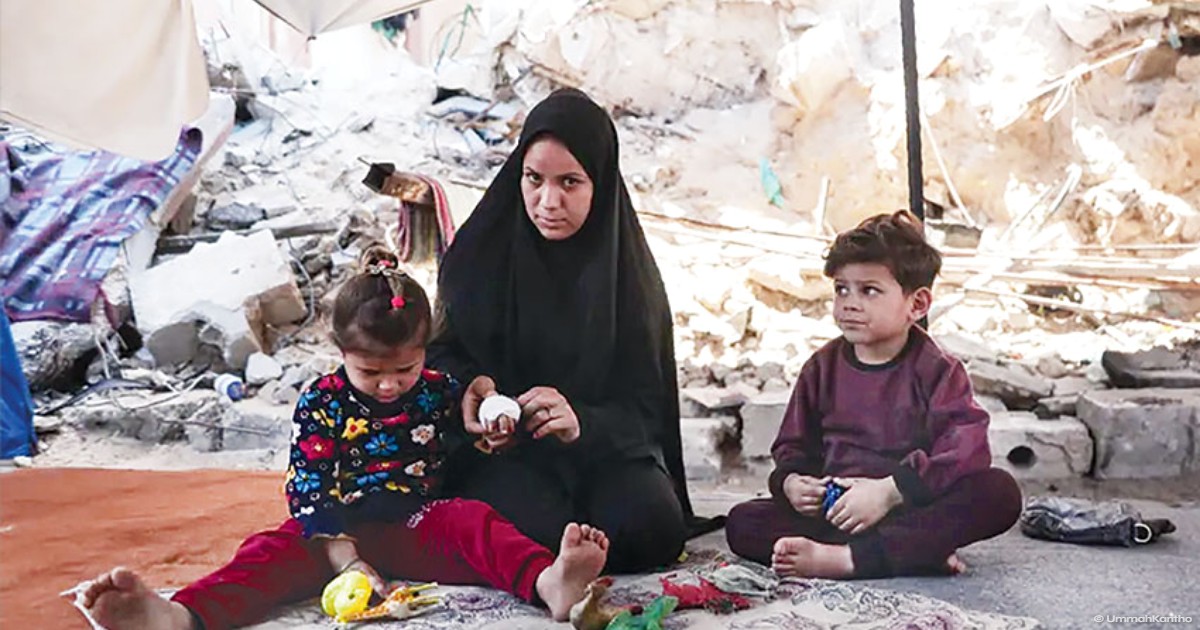
In the war-torn Gaza Strip, displaced families are facing a terrifying new threat that emerges under the cover of darkness. Beyond the constant fear of airstrikes, residents of temporary tent camps are now battling an infestation of rats and urban weasels. These pests, thriving in the collapsed sanitation infrastructure, have begun attacking the most vulnerable—infants, the sick, and the elderly—raising alarms about an impending public health catastrophe.
The harrowing reality of this infestation was highlighted by the story of four-year-old Mayaseen. Her mother, Samah al-Daabla, described waking up at 2 a.m. to her daughter’s screams in their tent in Gaza City. Upon investigating with a torch, they saw a weasel fleeing, leaving the young girl’s hand covered in blood. While Mayaseen received medical attention and a tetanus shot, she suffered from fever and vomiting for days. Her story is not unique; social media has been flooded with reports of rodents attacking newborns and chewing on the extremities of diabetic patients who have lost sensation in their limbs.
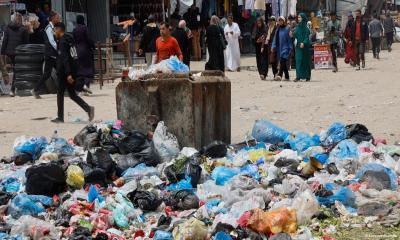
A recent survey cited by United Nations agencies reveals the scale of the crisis. Rodents or pests are now frequently visible in 80% of the sites housing displaced families, directly affecting approximately 1.45 million people. According to Dr. Reinhilde Van De Weert, a representative for the World Health Organization (WHO), this is the "predictable consequence of a collapsed living environment." The combination of raw sewage flowing through camps and massive piles of uncollected rubbish has created perfect breeding grounds for these animals.
The humanitarian situation in the Gaza Strip remains stagnant despite international efforts for a lasting peace. While a ceasefire deal was brokered months ago, daily life for Gazans has seen little improvement. The lack of reconstruction and a shortage of temporary housing, such as caravans, has forced families to remain in flimsy tents positioned dangerously close to waste sites. Parents now take turns staying awake at night to guard their children from invading animals that have been known to tear through clothing and consume vital food supplies like flour.
The medical implications of this infestation are severe. Rodents are known vectors for a variety of diseases, including respiratory infections, skin conditions, and blood-borne pathogens. In an environment where the healthcare system is already on the brink of total collapse, an outbreak of rodent-borne illness could be devastating. "We cannot sleep! If we sleep, they bite the children," said Rizq Abu Laila, a father of four living near a rubbish dump. He noted that the number of weasels and rats has reached "abnormal" levels, driven by the spring heat.
UNICEF and other UN agencies are calling for a "very large-scale campaign" to manage the waste and rubble that clog Gaza`s streets and camps. Ettie Higgins, UNICEF’s deputy representative for Palestine, emphasized that the waste problem is the root cause of the pest infestation. While Cogat, the Israeli body overseeing Gaza`s crossings, claims to be coordinating with international organizations to address sanitation, the sheer volume of debris remains a major hurdle. For the millions trapped in Gaza, the battle against the rodents is a grim reminder of the total breakdown of civil society and basic human dignity.