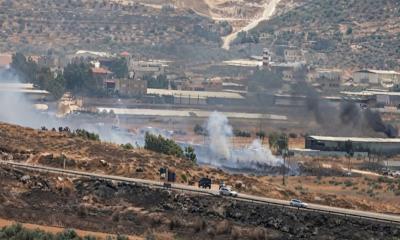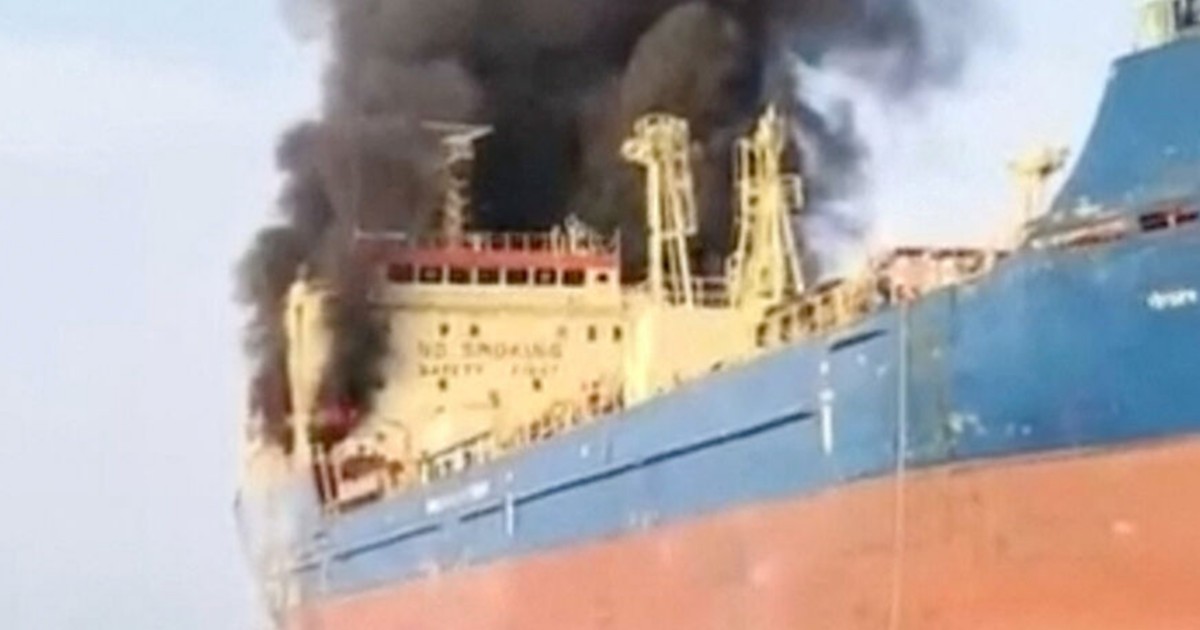
A commercial oil tanker, identified as the Settebello, was struck by a missile near the Strait of Hormuz, off the coast of Oman, triggering a significant maritime security incident. The attack, which hit the vessel’s engine room and caused a fire, has left three Indian crew members missing. According to the Indian Ministry of External Affairs, 24 Indian nationals were aboard the Palau-flagged ship, and while 21 have been rescued, search and rescue efforts are intensifying for the remaining three.
The Indian Embassy in Muscat is actively coordinating with Omani authorities to manage the situation and ensure the safety of the crew. British maritime security firm Ambrey reported that the vessel was targeted in a manner consistent with recent operations related to the enforcement of maritime blockades in the region. Analysts suggest that the attack may be tied to the intensifying confrontation between the United States and Iran, as tensions continue to spike across the Middle East.
This incident follows a similar missile strike on June 8, when the tanker MT Marivex was rendered immobile by US naval forces after allegedly attempting to breach blockades. US Central Command has reported that several vessels have been neutralized or diverted in recent days as the maritime environment near the Strait of Hormuz becomes increasingly hazardous.
The attack occurs amidst a volatile period of direct military exchanges between Washington and Tehran. Following the downing of a US military helicopter, American forces launched strikes against Iranian air defense and radar sites. In retaliation, the Islamic Revolutionary Guard Corps (IRGC) targeted various US military installations across the region. Despite an attempted ceasefire brokered by Pakistan on April 8, the region remains a hotspot for naval aggression. The international community is closely watching these developments, fearing that the continued instability around the Gulf and Oman Sea will further disrupt vital shipping lanes and endanger civilian crews.