The United States and Iran are navigating a period of heightened military volatility, yet Washington has reaffirmed its commitment to continuing diplomatic negotiations with Tehran. A senior US official confirmed to Al Jazeera that despite two days of intense military exchanges this week, the Biden administration intends to proceed with technical discussions aimed at securing a lasting peace agreement. These efforts attempt to salvage a memorandum of understanding signed on June 17, which had previously established a 60-day window for negotiations.
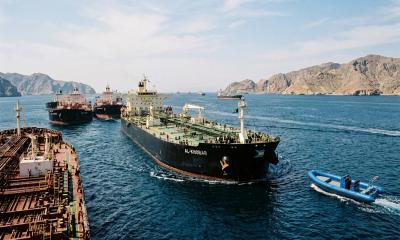
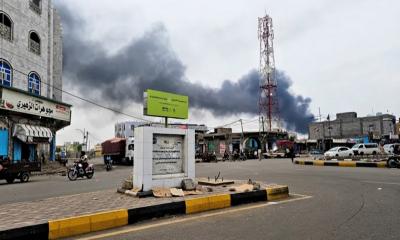
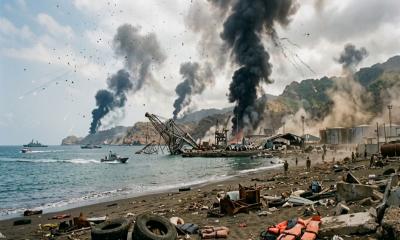
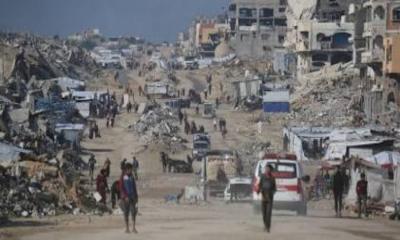
Hostilities escalated significantly between Tuesday night and Thursday as the two nations traded direct strikes. The United States launched operations against 85 targets in Iran following an incident in the Strait of Hormuz, where the Islamic Revolutionary Guard Corps targeted commercial vessels. Iran responded by striking US military assets located within Gulf states. This prompted a second wave of American attacks, targeting 90 Iranian locations, including coastal and eastern provinces. Tehran has formally accused the US of targeting civilian infrastructure, further complicating the fragile ceasefire status.
During the NATO summit in Ankara, President Donald Trump initially suggested that the memorandum was effectively over, calling the process a waste of time. However, his rhetoric shifted by Thursday. While traveling on Air Force One, Trump indicated that a full-scale war was not the desired outcome and acknowledged that Tehran remains interested in reaching a deal. This volatility was further tested early Friday when reports emerged of explosions near Bushehr, home to a nuclear facility. The United States has denied any involvement in these specific incidents, and the diplomatic atmosphere has since moved toward a relative pause in overt military activity.
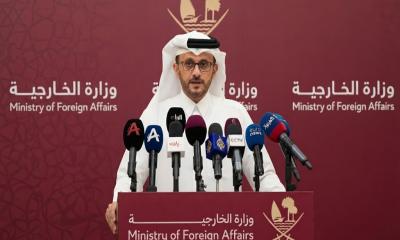
The core of the initial agreement included an Iranian commitment to allow free shipping through the Strait of Hormuz in exchange for the lifting of US oil sanctions and the naval blockade of Iranian ports. Although progress has been hampered by broader regional instability and the ongoing conflict in southern Lebanon, both nations continue to maintain indirect communication channels. Technical talks held in Doha have served as the primary mechanism for these discussions, despite temporary interruptions caused by the mourning period for the late Supreme Leader Ali Khamenei.
As mediating nations work to restore momentum to the diplomatic process, the primary challenge remains the mutual accusation of ceasefire violations. Both Washington and Tehran have demonstrated an awareness of the economic costs associated with sustained conflict. While the path to a final agreement remains obscured by distrust and recent military friction, the commitment to continued technical talks suggests that both sides are still prioritizing a negotiated outcome over a total breakdown of relations. The upcoming weeks will be decisive in determining whether diplomacy can prevail over regional escalation.