Former Myanmar leader Aung San Suu Kyi has been moved from prison to house arrest, according to reports from state media on Friday. The 80-year-old Nobel laureate had been held in a high-security military prison in the capital, Nay Pyi Taw, since her government was ousted in a military coup in February 2021. The military junta leader, Senior General Min Aung Hlaing, issued a statement confirming that her remaining sentence would be commuted to be served at a designated residence.
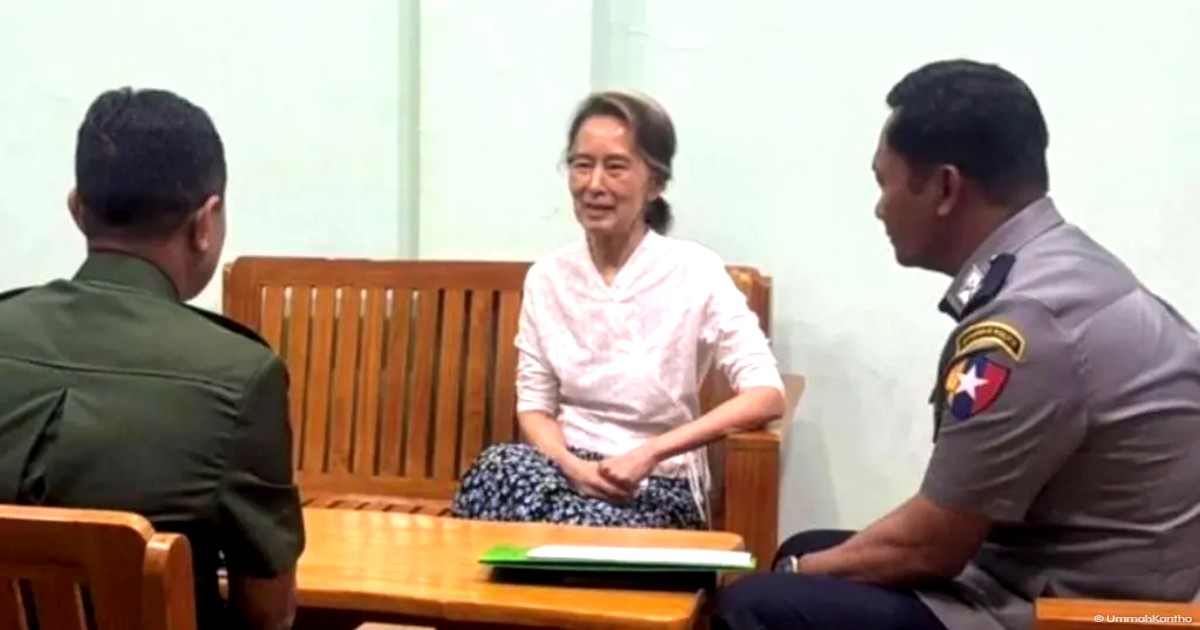
Despite the announcement, the move has been met with significant skepticism from both her family and the international community. Her son, Kim Aris, told the BBC that he lacks definitive proof of his mother’s current wellbeing or even whether she is still alive. He dismissed a recent photograph broadcast on state television as meaningless, noting it appeared to have been taken in 2022. Aris emphasized that until he is allowed direct communication with her or an independent body can verify her location, he will remain doubtful of the military`s claims.
Legal representatives for the former state counselor told Reuters that they had received no official notification regarding the change in her detention status. For more than three years, her legal team has been denied access to her, and her family has had no contact for over two years. The secrecy surrounding her health and living conditions has fueled international concern, especially given her advanced age and reports of deteriorating prison conditions.
Sean Turnell, an Australian economist and former adviser to Suu Kyi who was also imprisoned by the junta, described the relocation as a calculated public relations move. Turnell suggests the military regime is attempting to end its international isolation and project an image of legitimacy after facing significant battlefield losses to ethnic armed groups and pro-democracy resistance forces. He noted that the conditions in Nay Pyi Taw`s prison were medieval, citing poor food, lack of medical care, and cells exposed to the elements, which would have been particularly taxing for an 80-year-old.
Aung San Suu Kyi rose to international fame as a pro-democracy icon, spending 15 years under house arrest before leading her party to a landslide victory in 2015. However, her reputation was severely tarnished globally when she defended the military against charges of genocide against the Rohingya Muslim minority at the International Court of Justice in 2017. Despite the fall from grace in the West, she remains a potent symbol of resistance within Myanmar.
This latest development comes after the military junta held a controversial election earlier this year to cement its control through a notionally democratic framework. While the move to house arrest may be seen as a slight softening of the regime`s stance, analysts argue it does not signal a return to democracy. Instead, it appears to be a maneuver to manage the optics of her detention while keeping the most influential figure in Myanmar’s politics under strict military surveillance.