The United States conducted a fresh wave of military strikes against targets in Iran early Monday, triggering massive retaliatory actions from Iranian forces that expanded the conflict across the Gulf region, according to reports from Reuters and Al Jazeera. The rapid escalation has severely undermined an already fragile ceasefire, raising fears of a broader regional conflict as both nations continue to trade blows.
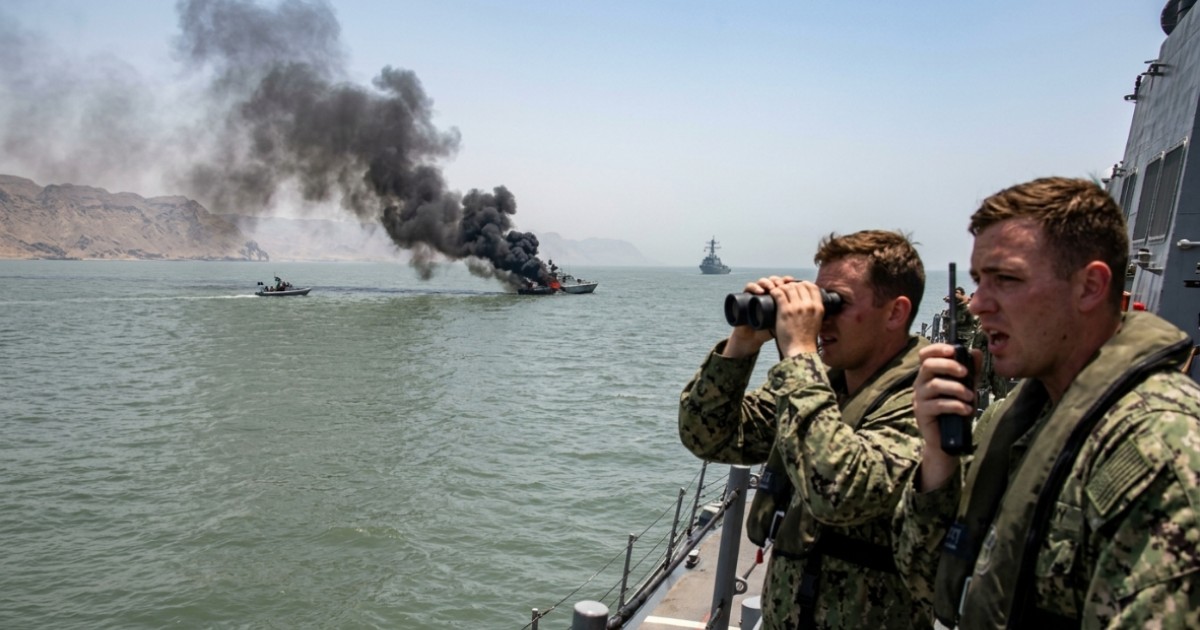
The US Central Command stated that American forces hit dozens of targets across several locations in Iran. The operation utilized fighter aircraft, naval vessels, and advanced drone technology to target air-defense systems, coastal radar sites, and missile capabilities. The Pentagon stated that the strikes were intended to degrade Tehran`s ability to interfere with international shipping through the Strait of Hormuz. Iranian officials confirmed that the US strikes hit eight cities in Khuzestan province, resulting in the death of one security guard and leaving four others injured at a water facility.
Iranian forces responded hours later, launching retaliatory attacks against US military assets in several Gulf nations. The Islamic Revolutionary Guard Corps claimed responsibility for targeting a long-range air surveillance radar in Bahrain, a vessel detection radar system in Oman, and a US Army surface-to-surface missile base in Kuwait. The IRGC asserted that the strike in Kuwait destroyed two HIMARS missile launchers and several storage facilities. Additionally, Jordanian authorities reported intercepting four missiles that entered their airspace from the direction of Iran.
These developments follow an intense period of hostility that began earlier this month. The initial offensive by the US over the weekend was framed as retaliation for attacks on commercial shipping vessels and Iran`s announcement that it had closed the Strait of Hormuz. The rapid exchange of fire has created a climate of uncertainty, with neither side appearing willing to de-escalate.
Regional powers are closely monitoring the situation as the threat of a wider confrontation grows. Bahrain issued alerts to residents, urging them to remain in safe locations as the security environment deteriorates. The US military maintains that these actions are necessary to protect international interests and regional allies. Conversely, Iranian leadership has vowed to defend its territory, showing no signs of backing down.
The Strait of Hormuz remains a critical choke point for global energy supplies, and the ongoing hostilities have prompted concerns about potential disruptions to global markets. International observers warn that the failure of the current ceasefire could lead to prolonged instability. As of Monday, diplomatic efforts to mediate the crisis appear stalled, with both nations continuing to prioritize military posturing over negotiations.