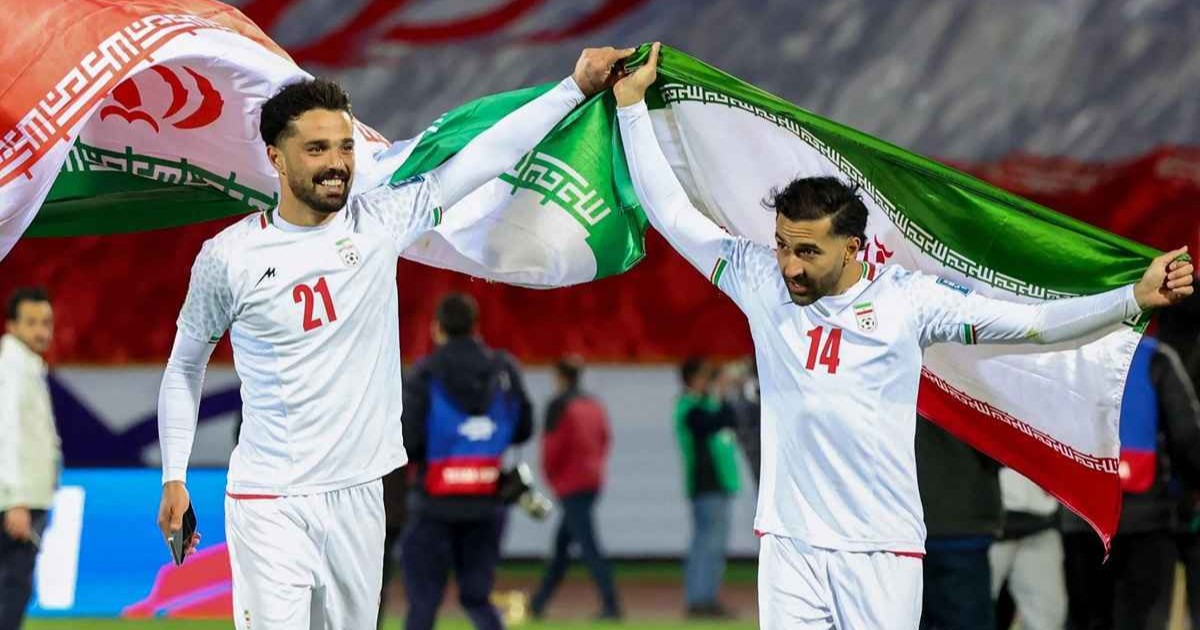
Diplomatic tensions between Washington and Tehran have spilled over into the 2026 FIFA World Cup, with the Iranian Football Federation (FFIRI) accusing the United States of revoking its allocated ticket quota for the tournament. The federation claims that just days before the World Cup kickoff, the US authorities abruptly cancelled the tickets, leaving Iranian fans and officials in a state of crisis. The FFIRI has formally denounced the move as a violation of footballing spirit and discrimination, urgently calling for intervention from FIFA.
Under FIFA regulations, participating nations are entitled to eight percent of the total seating capacity for each match, which federations distribute to fans through official channels. Iran stated that it had already begun selling these tickets and that many supporters had finalized travel and hotel arrangements at significant personal expense. Now, the federation claims it cannot provide even a single ticket to its fans, describing the unexpected withdrawal as an unethical and disruptive maneuver.
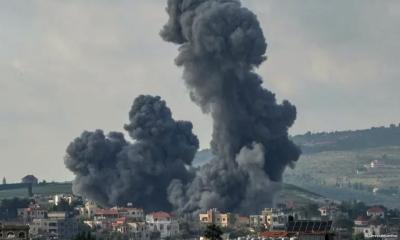
The relationship between the two nations has reached a boiling point following a joint US-Israeli air strike in late February. This geopolitical friction has manifested in administrative hurdles that have crippled Iran’s logistical preparations. Iran reports that Washington has denied visas to approximately 15 key staff members, including assistant coaches, physiotherapists, and administrative officials. These visa denials and other bureaucratic obstacles forced Iran to relocate its training camp from Arizona to the Mexican border city of Tijuana.
The FFIRI has expressed deep frustration over the perceived politicization of the tournament. The federation argues that such actions undermine the neutrality required for international sporting events. Iran is scheduled to begin its World Cup campaign against New Zealand in Los Angeles on June 15, followed by a match against Belgium on June 21, and a final group stage fixture against Egypt in Seattle on June 26. As the tournament draws near, the controversy has shifted global focus from the pitch to the underlying diplomatic crisis, raising questions about whether FIFA will address the federation`s demands for fairness and access.