Australia`s online safety regulator has identified extensive vulnerabilities in how the world`s most prominent gaming platforms protect young players from exploitation. In an investigative report published on Friday, the eSafety Commission found inconsistent safeguards across Steam, Roblox, Fortnite, and Minecraft. The regulatory inquiry highlighted that nine out of ten Australian children aged between 8 and 17 actively engage in online gaming, according to Reuters and BBC News.
The regulatory findings revealed widespread structural lapses across major services.
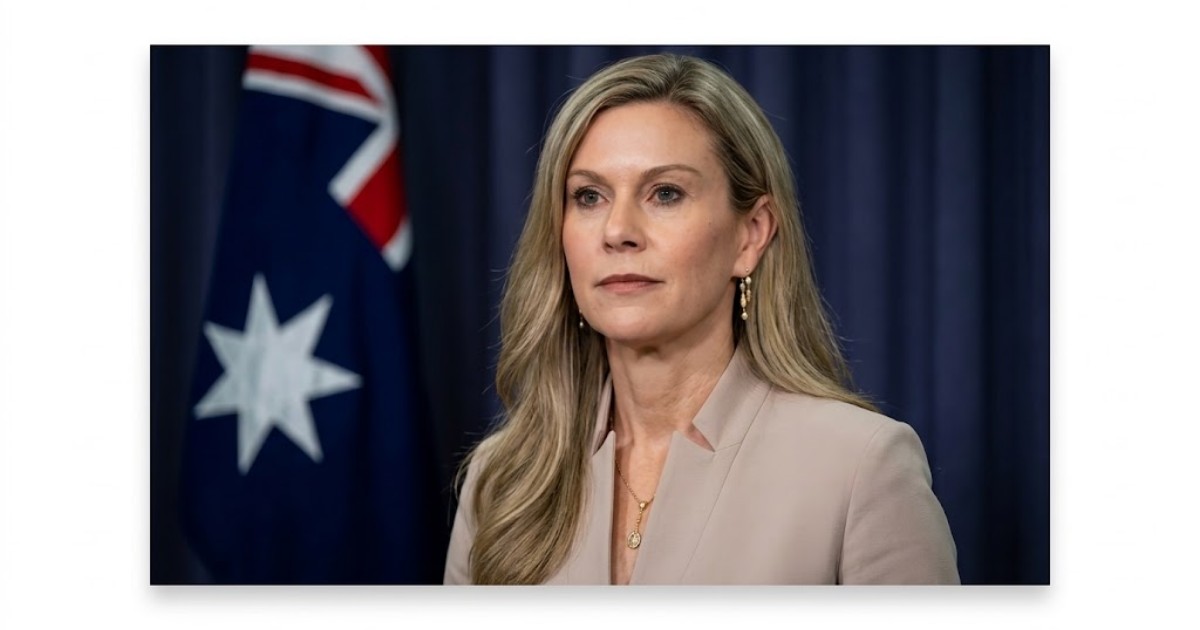
eSafety Commissioner Julie Inman Grant warned that inadequate platform architecture enables predatory adults to establish contact with minors and groom them for sexual extortion or ideological radicalisation. She emphasised that children possess an inherent right to access digital recreational spaces without exposure to abusive material or extremist recruitment. The commissioner explicitly called on platform operators to overhaul their monitoring systems, insisting that technology companies must proactively eliminate systemic security gaps rather than relying on reactive reporting.
The assessment directed notable scrutiny toward Valve, the American gaming corporation behind Steam and Steam Chat. Investigators found Valve was the sole examined provider that failed to deploy industry-standard automated tools capable of identifying and removing documented illicit material. Furthermore, the company does not proactively scan internal messaging channels for child sexual exploitation or violent extremism, maintaining automated filters primarily geared toward financial fraud and account scams. Both Valve and Roblox were also cited for relying exclusively on insular, proprietary datasets to train automated text-moderation algorithms without conducting regular system retraining.
Verification protocols across the sector remain heavily compromised by user self-declaration. While Fortnite and Minecraft offer restricted child accounts, underage users can easily bypass safeguards by asserting adult age classifications, thereby gaining entry to high-risk direct communications. Steam has similarly depended on self-reported birthdates, though it recently introduced experimental credit-card verification. Roblox introduced enhanced age-assurance protocols in December, yet significant vulnerabilities persist across the broader interactive gaming ecosystem.
The inquiry also uncovered significant fractures in inter-industry intelligence sharing. Mojang Studios, the Microsoft-owned developer of Minecraft, alongside Roblox, regularly collaborates with law enforcement and global consortia targeting child exploitation, whereas Valve has consistently declined participation. Concurrently, Epic Games failed to register specific compliance breaches within an international coalition established to coordinate global intervention against child abuse.
The investigation evaluated platform performance metrics compiled between October 2025 and March 2026. The regulatory intervention comes after Australia enacted a landmark ban barring children under 16 from mainstream social media networks, a statute that deliberately excluded interactive gaming platforms. A spokesperson for Roblox maintained that the company prioritises community safety through mandatory verification and capital investment, while Valve, Epic Games, and Microsoft did not immediately reply to formal inquiries.