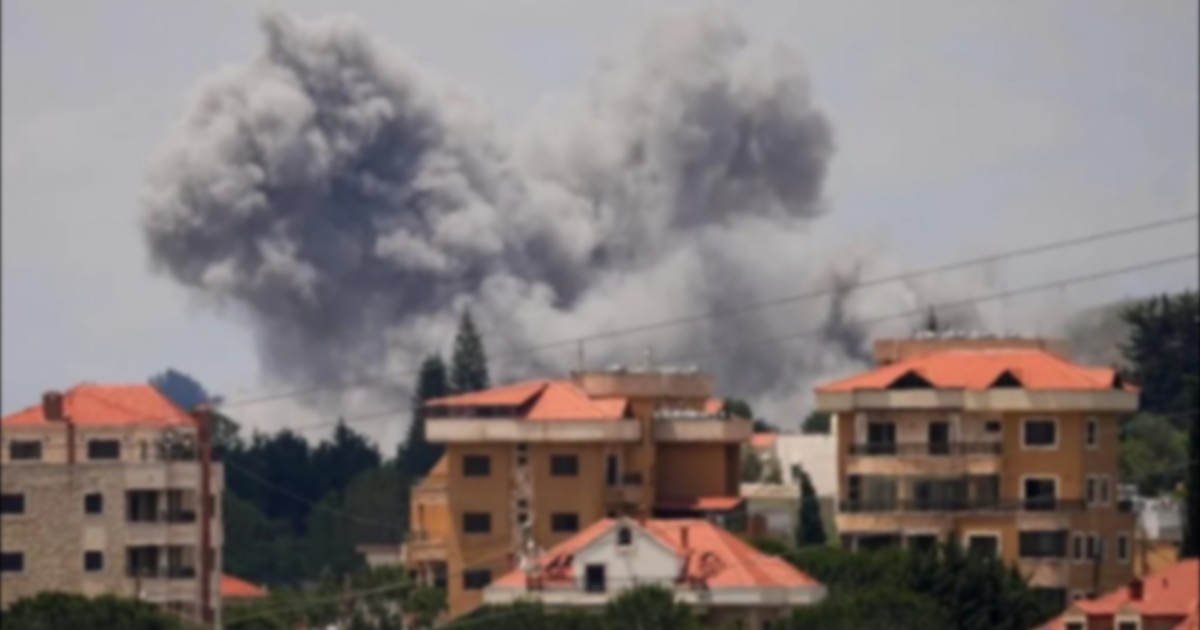
Israeli warplanes launched a massive wave of airstrikes across southern and eastern Lebanon overnight, killing at least 31 people, including women and children. The sudden escalation followed an official declaration by Israeli Prime Minister Benjamin Netanyahu ordering the military to intensify its campaign against Hezbollah. Observers consider this the heaviest night of bombardment since the United States-mediated ceasefire took effect in mid-April.The ferocious assault triggered widespread panic across the southern suburbs of Beirut.
Thousands of families abandoned their homes in search of safety, creating severe traffic gridlocks on major escape routes throughout the night. The Israel Defense Forces (IDF) stated that their operations successfully targeted more than 100 Hezbollah infrastructure sites, command centers, and weapons depots. During a security cabinet meeting, Netanyahu emphasized that Israel is pushing its military operations deeper into Lebanese territory to secure its northern border.
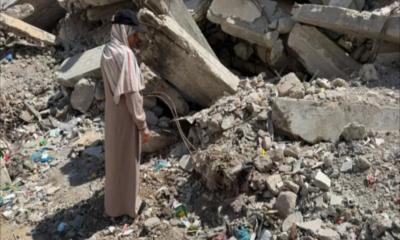
Local media reported intense strikes targeting the town of Mashghara in the Bekaa Valley and the southern hub of Bourj al-Chmali. Some missiles reportedly detoured near the UNESCO-protected Beaufort Castle, a historic medieval fortress. In Mashghara, local emergency workers pulled 11 bodies from the ruins of flattened residential buildings, with many residents still reported missing under the debris.
Footage of a seven-year-old boy named Mohammed being pulled from the concrete ruins has circulated widely on social platforms. The child, who sustained head injuries, lost his father and two sisters when a missile struck their home while they slept. Meanwhile, IDF Arabic spokesperson Avichay Adraee stated that the heavy bombardment was an inevitable response to continuous ceasefire violations committed by Hezbollah operatives.
Hezbollah retaliated by targeting three separate Israeli military barracks and an outpost using fiber-optic drones and artillery rockets. The cross-border violence has claimed the lives of 23 Israeli soldiers since early March. According to data compiled by the Lebanese Health Ministry, the continuous military friction has resulted in more than 3,185 casualties across Lebanon during the same period.