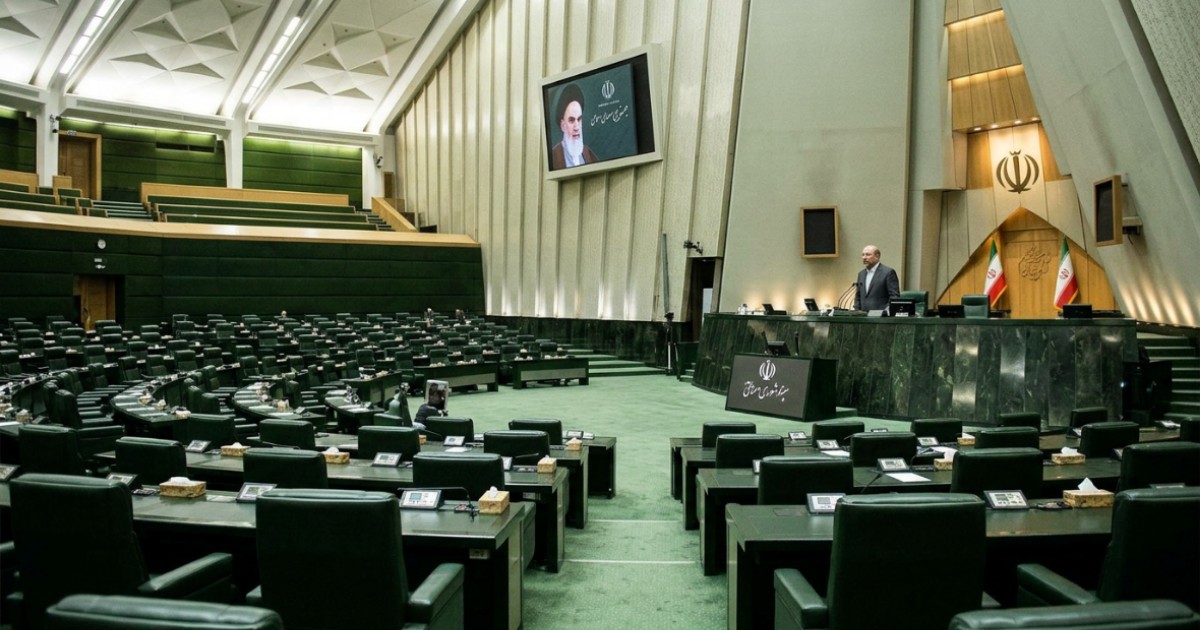
Tehran has imposed strict conditions on any bilateral or multilateral agreements with the United States, demanding explicit and practical guarantees ensuring the rights of the Iranian people. Following his recent re-election as parliament speaker, Iran`s top negotiator and speaker Mohammad Baqer Qalibaf delivered these firm declarations during an online legislative session on Sunday. According to analytical reports published by Al Jazeera and major international news networks, the Islamic Republic places zero trust in the verbal assurances or political promises of the American administration. Qalibaf explicitly informed Washington that Tehran will refuse to finalize any diplomatic framework until tangible progress and visible economic achievements are formally established.
The Iranian speaker observed that their unyielding diplomatic posture stems directly from historical precedents where Washington repeatedly violated international treaty commitments. He emphasized that Tehran will not execute any of its strategic obligations prematurely based on mere promises, choosing instead to evaluate Washington strictly by its immediate practical actions. Any deal that fails to insulate the economic rights and sovereign national interests of the Iranian public remains entirely unacceptable to the leadership. Alongside ongoing diplomatic tracks, Iran is focusing heavily on fortifying its domestic military readiness to convert its defensive milestones into binding political and legal achievements on the global stage.
The timing of Qalibaf`s declarations coincided with his decisive re-election as head of the National Consultative Assembly`s presidium on May 25, 2026. This high-profile address marks his first major foreign policy directive for the new legislative term, signaling a unified and resolute stance from the country`s elite leadership. Strategic analysts view his remarks as a direct, uncompromising response to a revised peace framework recently proposed by US President Donald Trump. Exclusive reports from The New York Times and Axios revealed that the White House had recently returned a significantly tougher draft proposal, demanding unilateral concessions regarding Iran’s domestic nuclear infrastructure and regional ballistic development.
Tehran has thoroughly rejected the toughened terms of the American proposal, clarifying that it will never capitulate to external economic coercion or media propaganda. Writing in a bold social media post, Qalibaf asserted that Iran does not seek concessions through dialogue alone, but secures its sovereignty via its active missile capabilities, utilizing negotiations merely to make those realities clear to its adversaries. He maintained that the true victor in any international accord is the faction that plans most effectively for the post-agreement landscape. This rigid stance has effectively driven the protracted US-Iran peace talks into a dangerous diplomatic stalemate, raising anxieties across global energy markets.
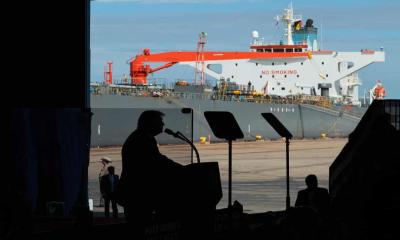
Concurrently, the Islamic Revolutionary Guard Corps announced that its naval wings have tightened security oversight across the strategic Strait of Hormuz, limiting access for vessels associated with American or Israeli commercial interests. Following the breakdown of preliminary negotiations previously mediated by Pakistan and Oman, the security architecture of the maritime waterway remains highly volatile. International diplomats conclude that a permanent resolution to the Middle East war is unattainable unless Washington releases billions of dollars in frozen Iranian financial assets and lifts its unilateral sanctions regime. Qalibaf`s latest ultimatum introduces a profound layer of uncertainty, ensuring that the future geopolitical trajectory of the region will be dictated by real-time strategic actions rather than diplomatic rhetoric.