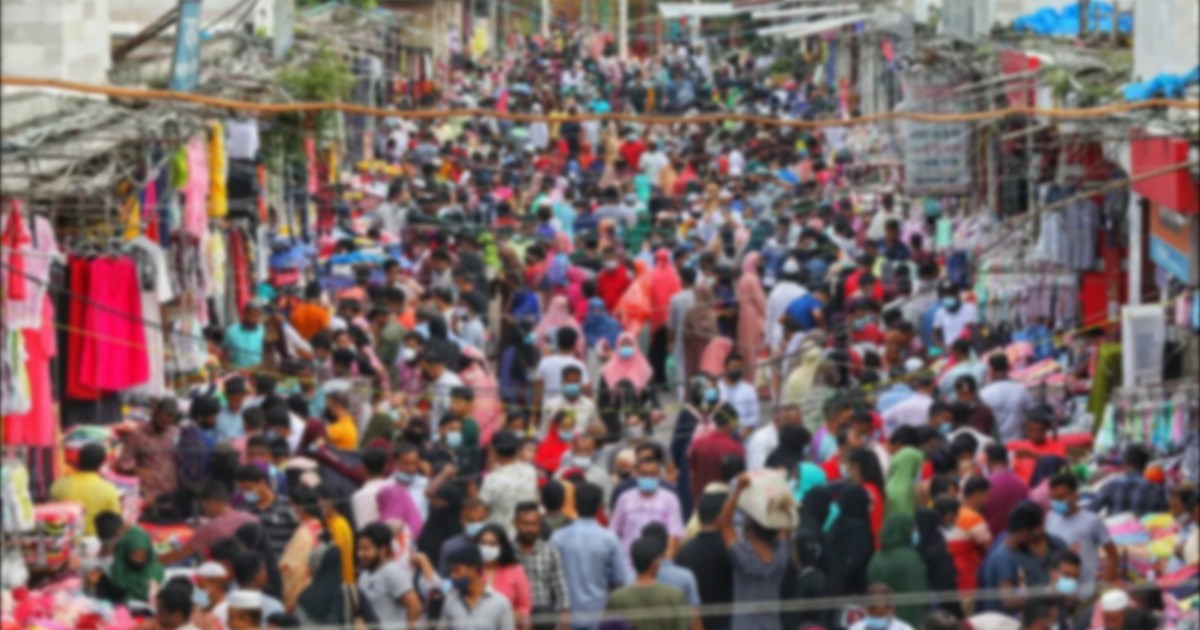
With Eid-ul-Adha just around the corner, Dhaka`s bustling shopping malls are experiencing a surprising lull in activity. Despite the usual rush associated with the festive season, high-end retail stores remain quiet, with staff waiting for customers who seem reluctant to spend. Meanwhile, the footpaths, traditionally bustling with low-cost vendors, are seeing a starkly different scene of relative activity.The contrast in market trends is profound.
Business owners report that sales have been sluggish throughout the week, with only a slight uptick noted during the weekends. Retailers who invested heavily in anticipation of the holiday now face potential losses as consumer sentiment remains cautious. According to traders in the wholesale hubs like the Dhaka Trade Center, the usual pre-Eid frenzy is largely absent this year.Wholesale order volumes have seen a sharp decline.
Vendors indicate that the primary driver of the slowdown is the lingering pressure of inflation, which has tightened household budgets. Wholesale traders in key markets report that orders from districts outside the capital have dropped significantly, directly impacting their revenue projections. Many small business owners are now struggling to cover their basic operating costs as they await a surge in traffic that has yet to materialize.New Market is witnessing similar trends.
Even in high-traffic areas like New Market, shopkeepers report that sales volumes have plummeted to half of what they were in previous years. Businesses are now heavily dependent on Fridays to generate enough cash flow to cover expenses like staff salaries. In contrast, the street vendors operating just outside these malls report slightly steadier turnover, suggesting a clear shift in consumer preference.Consumers are increasingly favoring street-side shopping.
Shoppers cite the high prices in brick-and-mortar malls as a primary reason for shifting their preference to footpath stalls. The affordability offered by street vendors provides a necessary alternative for families looking to fulfill their shopping lists without overextending their finances. Items like casual wear, shirts, and jeans are being snapped up by price-conscious buyers who are avoiding the premium markups of larger establishments.The national outlook on Eid trade remains uncertain.
The Bangladesh Shop Owners Association estimates that the retail, clothing, and fashion sectors could see transactions ranging from 80 billion to 100 billion BDT nationwide this season. However, the contribution of the Dhaka metropolitan market appears to be lagging behind initial expectations. While the fashion and apparel sector struggles, trade in essentials like food, spices, and sacrificial tools remains relatively robust.
Ultimately, the Eid economy is being redefined by current fiscal realities. As families prioritize essential expenses over fashion-related luxuries, the trade landscape in Dhaka is adapting to a more frugal reality. Whether the final days leading up to Eid will bring the expected rush remains to be seen, but for now, the focus is squarely on essentials.