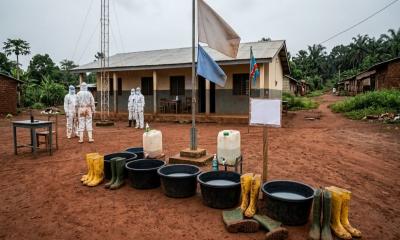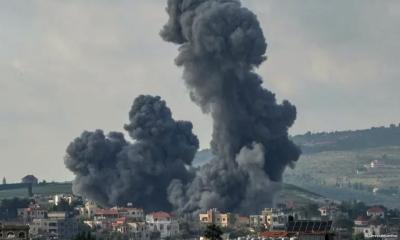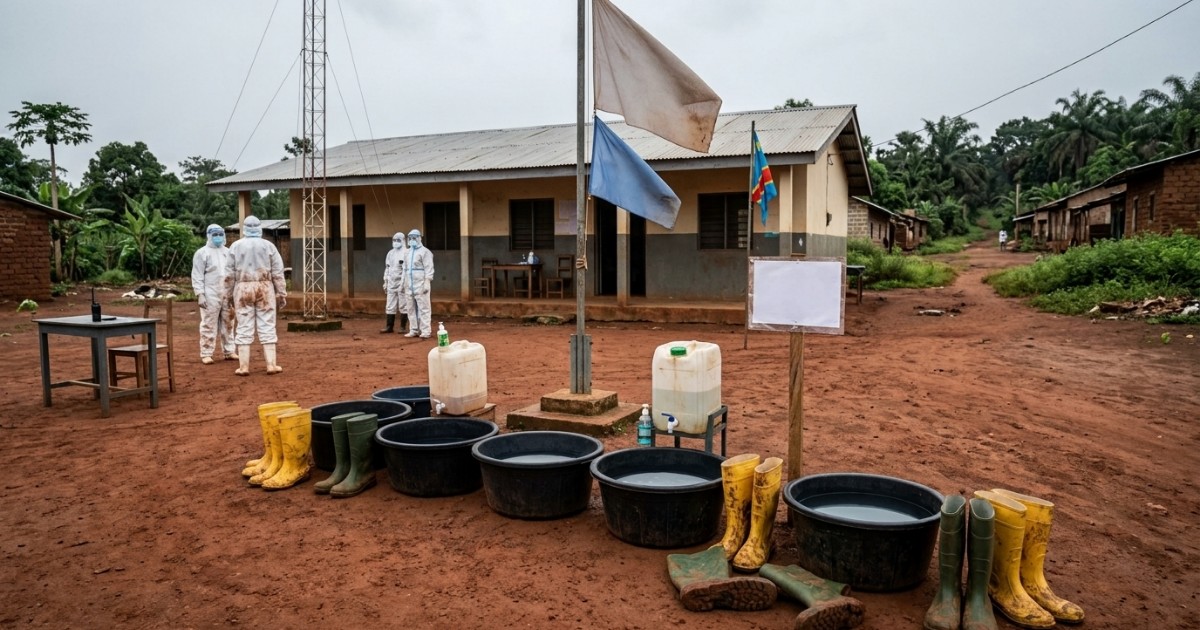
The Ebola virus outbreak driven by the Bundibugyo strain has expanded into two additional health zones in the Democratic Republic of the Congo, the World Health Organization confirmed. Fresh infections were recorded in Bulu, situated in South Ubangi province along the border with the Central African Republic, and Dungu in Haut-Uele province near South Sudan. The new transmissions raise the total number of compromised health sectors to 63 across seven provinces as medical teams struggle to contain community spread.
Nearly half of all diagnosed patients have died from the infection.
Official public health data recorded 7,890 confirmed cases and 3,799 deaths nationwide through September 23. WHO Director-General Tedros Adhanom Ghebreyesus emphasized that entrenched armed conflict and widespread civilian displacement severely hinder field teams attempting to trace exposures. He pointed out that the Bundibugyo strain presents unique operational hurdles because no approved vaccines or targeted therapies currently exist, though regulatory agencies are working to accelerate clinical evaluations.
Surveillance networks on the ground are operating far below required thresholds. Dr. Jean Kaseya, head of the Africa Centres for Disease Control and Prevention, observed that a caseload exceeding 7,000 ought to generate an active contact tracking list of approximately 420,000 individuals. Instead, surveillance teams have registered barely 30,000 contacts, leading Kaseya to warn that institutional control is impossible once transmission becomes embedded across communities.
Ituri province remains the primary driver of the national health crisis.
The northeastern region has logged 6,032 confirmed cases since the epidemic erupted in May, including 868 infections documented over the preceding three weeks. North Kivu forms the second most afflicted territory with 1,480 recorded cases, currently generating one-third of all newly registered deaths. The mortality rate in North Kivu has reached nearly 60 percent, markedly surpassing the national average of 48 percent. Medical practitioners noted that widespread stigma and terror prevent patients from seeking early intervention.
Healthcare workers in Butembo reported that many infected persons avoid health facilities under the misconception that admission guarantees death. The earlier 2018–2020 epidemic was caused by the Zaire strain, for which effective therapeutics were deployed, whereas the lesser-known Bundibugyo variant presents early symptoms easily confused with malaria or typhoid.