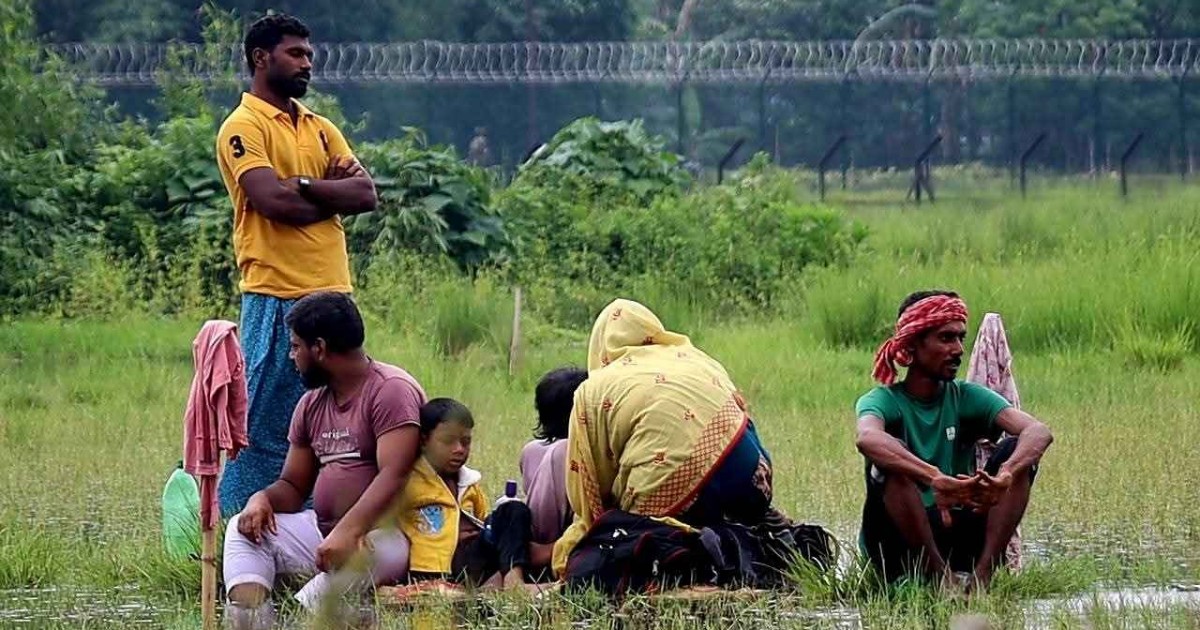
A humanitarian crisis is unfolding along the border of the Haribhasa Union in Panchagarh Sadar, where ten individuals, including three children, have been stranded in the open for over 61 hours. The group, reportedly holding Indian Aadhar cards, is being subjected to an attempted push-in by the Indian Border Security Force (BSF) into Bangladesh. Despite their identification documents suggesting they are Indian residents, the BSF remains adamant about forcing them across the border.
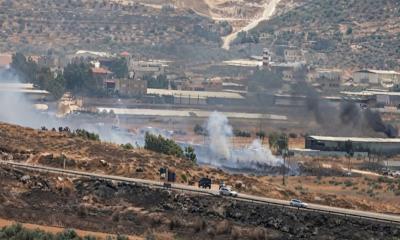
Local sources identified the group as consisting of five men, two women, and three children. Among those identified is Shamsul, a resident of the North 24 Parganas district in India, who had been residing there with his family while working in the vegetable trade. Following their detention by Indian police earlier in the week, they were transported to the Borobari Pradhanpara border area and pushed toward the zero line on Friday morning. Since then, they have been forced to remain on the agricultural land on the Indian side of the zero line.
The situation has sparked widespread concern among local residents regarding the treatment of the stranded individuals. Abdul Quader, a resident of the border area, expressed that the act of stranding individuals with valid Indian identification at the border is fundamentally inhumane. He urged that if the individuals are indeed Indian citizens, the onus of responsibility lies with the Indian authorities. The residents emphasized that treating families and children in such a manner violates basic human dignity and called for an immediate resolution to the standoff.
In response to the attempted push-in, the Border Guard Bangladesh (BGB) has maintained a firm stance to prevent illegal entry. BGB officials have intensified surveillance and patrol activities along the border to ensure that no unauthorized crossings occur. According to Lieutenant Colonel Md. Sirajul Islam, the Commanding Officer of the Nilphamari 56 BGB Battalion, multiple flag meetings have been held at both company and battalion levels with the BSF to resolve the standoff. However, the BSF has refused to take the individuals back, leaving them stranded on the Indian side of the border.
The prolonged exposure to the elements has taken a severe toll on the group, particularly the three children. Without any shelter or access to safe facilities, the group has been forced to remain on agricultural land, suffering through rain and heat. The humanitarian implications of this standoff remain grave, as international border protocols and human rights standards are called into question. As the situation persists, local observers warn that the failure to reach a resolution could lead to a deeper humanitarian disaster at the border. The BGB continues to monitor the situation closely, maintaining high alertness to prevent any destabilizing movements.