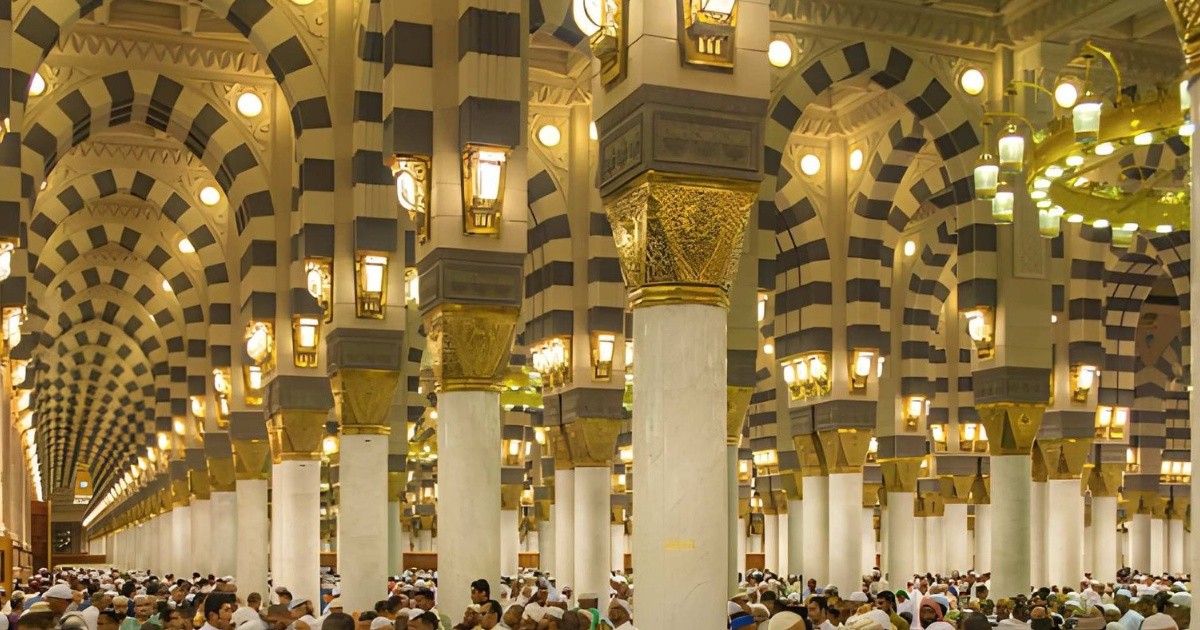
A mosque is far more than a physical structure of brick and mortar; it is a sanctuary for the believer`s soul. When a person begins to frequent the mosque regularly, an invisible spiritual bond forms between them and the walls, the mihrab, and the fellow congregants. This profound feeling is what draws the believer back to the House of Allah time and again. The Prophet Muhammad (PBUH) once described this relationship, stating: When a Muslim man stays in the mosque for prayer and remembrance, Allah is as happy with him as a family is happy when a person who has been away returns to his family (Sunan Ibn Majah, Hadith: 800).
In this context, the Arabic term Tawatana implies making the mosque a habitual home, a place of belonging where the servant finds profound tranquility. The term Tabashbasha refers to welcoming someone with a joyful smile and deep affection. Much like a parent greeting a beloved relative returning from a long journey abroad, Allah welcomes those who come to His house. When a believer performs wudu and takes steps toward the mosque, they are not merely a visitor; they become a royal guest of the Owner of the Throne.
When crossing the threshold of the mosque, one should cultivate the realization that they are entering the House of Allah as His guest. By observing the environment of the mosque with the heart, one might notice that even the cool air of the mosque feels more serene than the air anywhere else. This feeling of lightness and inner peace is unparalleled in the material world. If one can perceive the mosque through the power of spiritual feeling, even the humblest structure will appear more captivating than a royal palace. This was the state of spiritual height attained by our predecessors.
The renowned Tabi`i, Rabi ibn Khuthaym, once remarked: By Allah! I feel more peace in the chirping of the sparrows in the mosque than in the company of my own wife (Mawsu`at al-Akhlaq, 1/133). This realization was deeply rooted in their conviction. Similarly, it is recorded that Said ibn al-Musayyib did not miss a single congregational prayer for forty years. For thirty years, as soon as the Muazzin called the Adhan, he was already present in the mosque ready for prayer (Siyar A`lam al-Nubala, 4/221).
When we become accustomed to observing the atmosphere of the mosque through the eyes of the heart and feel that we are permanent residents of Allah’s house—and that Allah rejoices in our arrival—no worldly task can pull us away from the threshold of the mosque. This spiritual atmosphere is the source of true peace in a believer`s life. By fostering this love and loyalty toward the House of Allah, we strengthen our faith and refresh our souls, creating a bond that remains unbroken regardless of worldly distractions.