The initial phase of the sacred month of Dhul Hijjah represents an unparalleled spiritual season for the global Muslim community, carrying immense weight across classical texts. Authentic prophetic narrations establish that virtuous deeds performed during this specific timeframe yield divine rewards far exceeding those achieved during alternative months of the lunar calendar. However, numerous Muslim women frequently find themselves unable to participate in standard fasting routines due to natural physiological factors like menstruation, postnatal recovery, or pregnancy constraints.
This temporary suspension of physical rituals often induces a sense of spiritual exclusion among practicing female believers.
Classical Islamic jurisprudence and scriptural interpretations clarify that being excused from specific ritual expressions does not equate to a total separation from divine rewards. Prophetic statements recorded within Sahih al-Bukhari verify that no seasonal actions are more beloved to God than those executed during the first ten days of Dhul Hijjah (Hadith 963). The foundational text of the Holy Quran reinforces this spatial status within the opening verses of Surah al-Fajr, where the Divine takes a solemn oath by the ten nights. According to Sahih al-Bukhari 2996, when a believer is restricted from standard devotion due to valid health conditions, the divine recording systems credit them with the identical rewards they routinely accumulated while healthy.
Consequently, alternative avenues of comprehensive devotion remain fully accessible to women navigating temporary biological exemptions, beginning with the active expansion of verbal remembrance. Prophetic injunctions documented in Musnad Ahmad urge believers to intensify their declarations of cosmic praise, specifically through the recitation of the Takbeer, Tahleel, and Tahmeed formulas during this strategic window (Hadith 5446). Women can seamlessly integrate these short verbal phrases into their domestic routines or workspace transits without facing legal constraints. Furthermore, the pivotal Day of Arafah—recognized as the spiritual zenith of the annual calendar—remains a prime opportunity for women to engage in extended personal supplications and deep requests for absolute forgiveness (Jami` at-Tirmidhi: 3585).
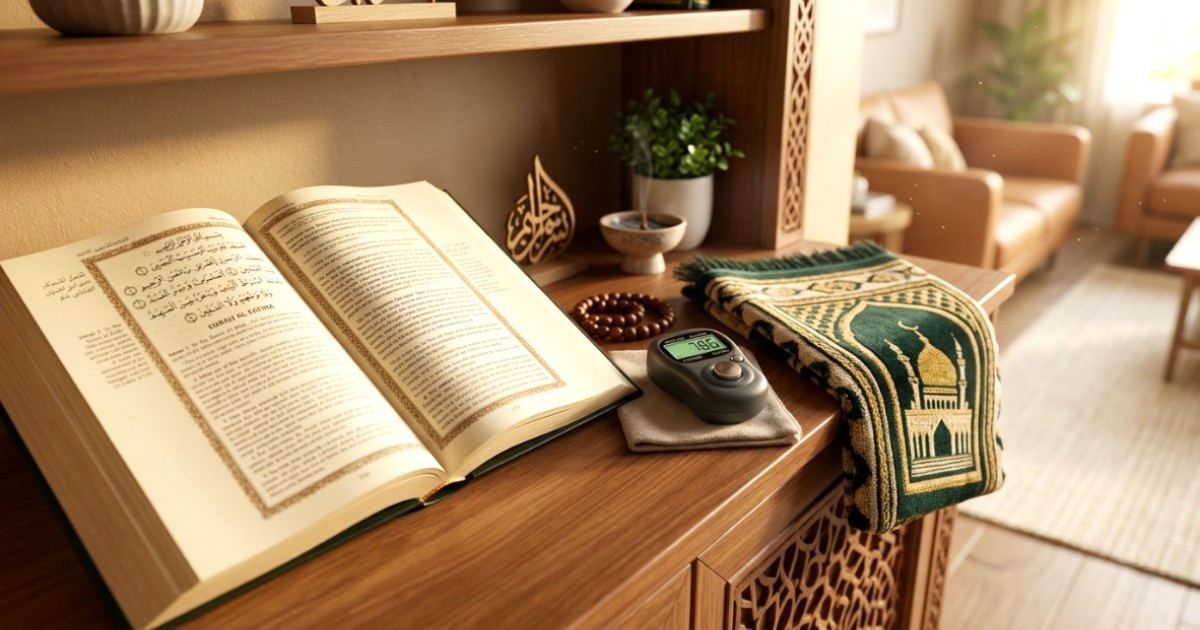
While directly touching the physical copy of the scriptural text remains restricted during cycles of menstruation under standard consensus, utilizing digital screen interfaces to study commentary and translation is fully permitted. Concurrently, deploying household resources to arrange nutrition for fasting family members functions as a highly elevated form of active corporate worship. Prophetic guidance verified in Jami` at-Tirmidhi 807 promises that anyone who facilitates the breaking of a believer`s fast receives an identical spiritual credit without diminishing the reward of the primary observer. Providing active logistical support for the seasonal Qurbani preparation and guiding children through educational religious lessons also function as valid expressions of structural devotion.
For households planning to execute a formal animal sacrifice, the recommendation to abstain from trimming hair or nails from the sighting of the lunar crescent remains valid for women regardless of their internal cycle tracking (Sahih Muslim: 1977). This specific practice is entirely distinct from fasting prerequisites, serving as a unified communal methodology to align with the sacred status of the global pilgrimage network. For expectant or nursing mothers, the legal framework explicitly provides absolute exemptions if physical fasting risks compromising maternal or fetal health parameters, leaving the replacement days to be fulfilled during subsequent seasons. Ultimately, internalizing the spiritual essence of compliance over rigid mechanics allows Muslim women to fully capture the divine potential of this highly sacred season.