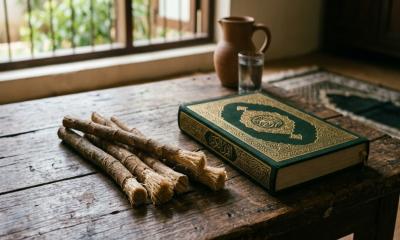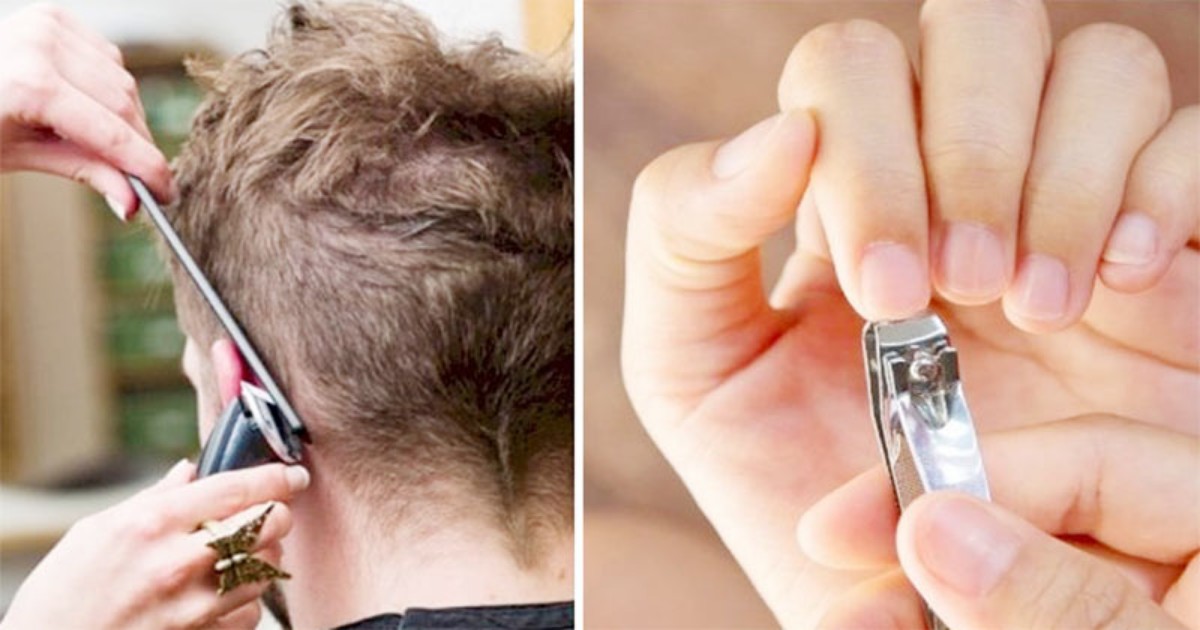
The first ten days of Dhul Hijjah hold immense spiritual significance in Islam, featuring a specific Sunnah regarding refraining from cutting hair and nails for those intending to offer Qurbani. According to a narrative by Umme Salama in Sahih Muslim, the Prophet directed believers to abstain from clipping nails or trimming hair once the new moon is sighted until the sacrifice is fully completed. Islamic jurists classify this practice as Mustahabb or highly recommended, serving as a symbolic alignment where a believer waits entirely for the pleasure of Allah.
This religious guidance applies specifically to the individual offering the sacrifice.
Most Islamic scholars, including Imam Nawawi, confirm that this restriction does not bind other family members who are not directly naming the sacrifice. Given that the moon sighting for Dhul Hijjah in Bangladesh is anticipated on the evening of Monday, May 18, 2026, those wishing to observe this act should complete their personal grooming before sunset today. A widespread misconception suggests that cutting hair or nails during this timeframe completely invalidates the Qurbani, which is textually incorrect. Accidentally trimming them does not nullify the ritual or require any financial expiation, though the individual misses out on a rewarding Sunnah.
Islam consistently prioritizes personal hygiene and cleanliness over symbolic actions.
Prophetic traditions strictly prohibit leaving hair or nails untrimmed for more than 40 days to ensure proper hygiene standards. If an individual risks crossing this 40-day threshold during the early days of Dhul Hijjah, the mandate for cleanliness overrides the recommendation to abstain from trimming. Furthermore, an exceptional spiritual alternative exists for believers who lack the financial means to offer a physical animal sacrifice. Prophetic narratives in Sunan Abi Dawud indicate that an impoverished believer who refrains from cutting hair and nails during these ten days and grooms themselves on Eid day may receive the spiritual equivalent of a complete Qurbani reward. This spiritual exercise beautifully mirrors the physical restrictions imposed upon Hajj pilgrims in Ihram, connecting Muslims worldwide to the sacred pilgrimage.