The rich culinary landscape of South Korea is globally celebrated for its complex interplay of sweet, spicy, savory, and deep fermented flavor characteristics. While international diners are highly familiar with standard practices like wrapping marinated meats inside crisp lettuce leaves for a classic ssam, local traditions maintain numerous unwritten rules regarding ingredient pairings.
These ancient flavor matches have evolved beyond basic preference to become highly structured culinary mandates that locals rarely alter.Exploring local street stalls or urban night markets reveals an intricate artistic methodology behind every daily meal.
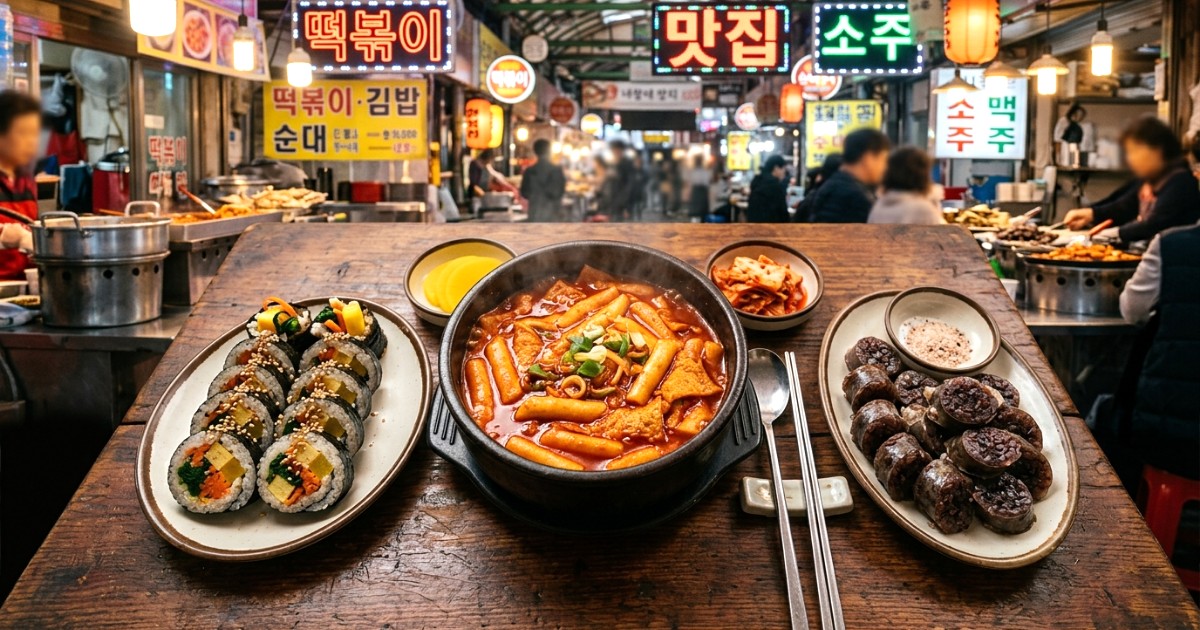
One of the most prominent street food combinations involves pairing chewy tteokbokki—cylindrical rice cakes simmered in a dense, fiery gochujang chili sauce—with savory side dishes. Locals routinely balance the intense heat of the chili broth by dipping crunchy fried dumplings or seaweed-wrapped gimbap rolls directly into the residual sauce.
However, the ultimate gastronomic accompaniment remains soondae, a traditional blood sausage packed with glass noodles and minced meats. The deep texture of the sausage, often served alongside steamed offal, creates an immaculate structural balance that ensures nothing remains on the platter.
Another culturally monumental pairing is "chimaek," a combined portmanteau blending the English word "chicken" with "maekjoo," the native term for beer. Although fried poultry and lager had been consumed concurrently for generations, the combination transformed into a massive national pastime during the 2002 FIFA World Cup.

In local pubs, fried chicken is strictly accompanied by clear cubes of "mu," a tangy pickled white radish that neutralizes the oily density of the fried batter. Consumers frequently choose "banban" options—half plain and half glazed in sweet glaze—while selecting light, crisp regional draft lagers to refresh the palate between pieces.
Weather patterns also dictate specific culinary selections within the regional diaspora, particularly during sudden rainstorms where citizens seek shelter inside local establishments to order jeon and makgeolli. Jeon represents a variety of pan-fried savory pancakes incorporating scallions, kimchi, seafood, or potato starches, which are sliced and dipped into seasoned soy vinegar.
Local folklore dictates that the distinct sizzling sound of the pancake frying in hot oil perfectly mirrors the acoustic cadence of falling rain outside. To balance the oily rich texture of the fried cake, it is traditionally paired with makgeolli, a creamy, low-alcohol fermented rice wine poured from metal kettles into shallow bowls.
Conversely, intense summer humidity prompts locals to pair grilled galbi short ribs with naengmyeon, an icy cold buckwheat noodle dish served in chilled beef broth. For quick, economical sustenance, students and office workers depend on the highly common combination of instant ramyun and portable gimbap outside convenience stores along the Han River.
The sharp, packaged spice of the instant noodle broth provides a comforting contrast to the refreshing, crisp vegetable bite of the rice roll. Finally, ordering Korean-Chinese wheat noodles dictates an unalterable dependency on tangsuyuk, a side dish of crispy deep-fried pork strips coated in a thick sweet-and-sour glaze, completing a sacred matrix of native food rules.