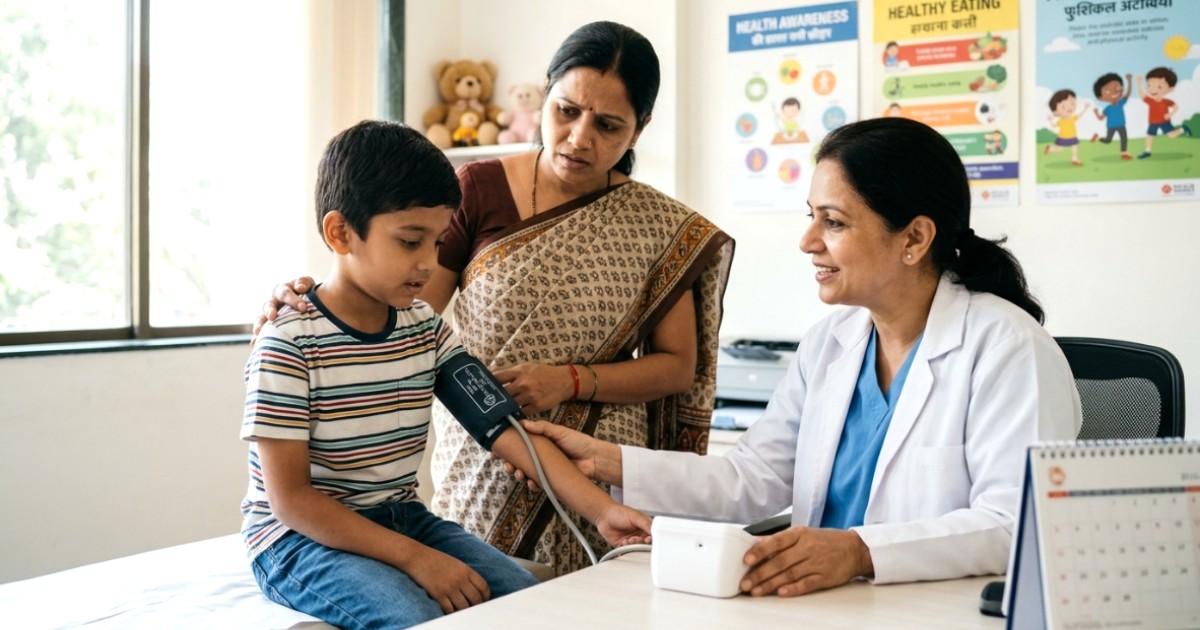
Chronic cardiovascular conditions like high blood pressure are increasingly breaching traditional demographic boundaries to manifest within pediatric patient bases worldwide. Clinically categorized as pediatric hypertension, recent global medical data verifies that this silent condition currently impacts an estimated three to five percent of the juvenile population. Epidemiological researchers observe that the proliferation of adolescent metabolic issues, particularly childhood obesity, exponentially multiplies the underlying long-term risks to internal organ health.
The accelerating health phenomenon is prompting international health bodies to issue urgent diagnostic alerts for young families.
In infants and younger children, secondary hypertension frequently stems from latent congenital complications including structural kidney anomalies, cardiovascular malformations, hormonal imbalances, or adverse pharmaceutical interactions. Conversely, older children and teenagers face primary hypertension driven by external lifestyle vectors. The high consumption of sodium-dense processed foods, excessive screen orientation minimizing outdoor activity, systematic sleep deprivation, and academic stress serve as major catalysts for modern circulatory strain. Furthermore, a verified hereditary history of cardiovascular disease significantly heightens familial vulnerability.
Because pediatric blood pressure elevation rarely presents overt clinical symptoms during its initial phases, the underlying structural damage can accumulate unnoticed for extended periods. However, indicators such as persistent headaches, sudden dizziness, blurred vision, localized palpitations, unprovoked epistaxis, and chronic fatigue dictate rapid clinical intervention. To mitigate these cardiovascular liabilities, healthcare professionals urge parents to restrict sedentary digital exposure, mandate an hour of physical play, regulate weight metrics, and substitute high-sodium meals with balanced, fiber-dense configurations.