The question of what we leave behind—or how we will be remembered—is often pushed to the periphery of our consciousness. However, scholars and psychologists argue that considering our legacy is not just a task for the elderly. Engaging with the idea of what we leave behind, even in our younger years, can serve as a catalyst for improved mental health and a more profound sense of purpose.Legacy is an innate human drive.
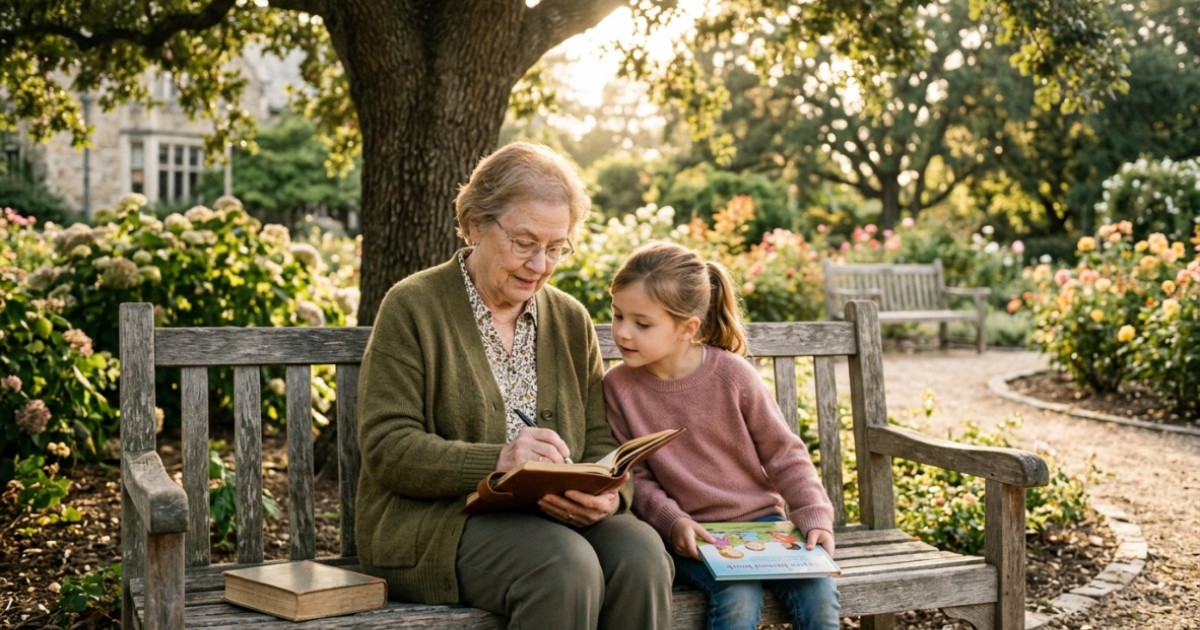
When Beth Hunter’s father received an Alzheimer’s diagnosis, the urgency of memory became palpable. He chose to document his life story through handwritten war memoirs, prioritizing them as his most significant contribution to the family. This act of preservation reflects the core desire to impart one`s experiences, values, and identity to future generations.
Legacy often manifests in three overlapping categories: biological, material, and values-based. While material legacies involve wealth and property, values-based legacies—faith, culture, and ethics—are arguably more enduring. Even the body itself can be part of our legacy, as seen in the increasing number of individuals who register as organ or body donors to support scientific research.Everyone leaves a footprint, whether intended or not.
Recent research conducted in Belgium highlights that altruism and the desire to provide meaning to one`s death are powerful motivators for body donation. This suggests that the act of deciding what remains of us can be an empowering psychological process. By consciously engaging with these decisions, individuals can turn the abstract fear of death into a tangible act of contribution.
Engaging with legacy thinking helps individuals anchor their current actions to long-term goals. When we view our lives through the lens of what we pass on, we become more intentional about the relationships we cultivate and the values we uphold. This shift can mitigate existential anxiety and replace it with a focused approach to personal growth.
Ultimately, your legacy is not just about what you own, but about who you are and the impact you have on those around you. The simple act of reflecting on this today can transform your perspective on the present, turning routine tasks into meaningful contributions.