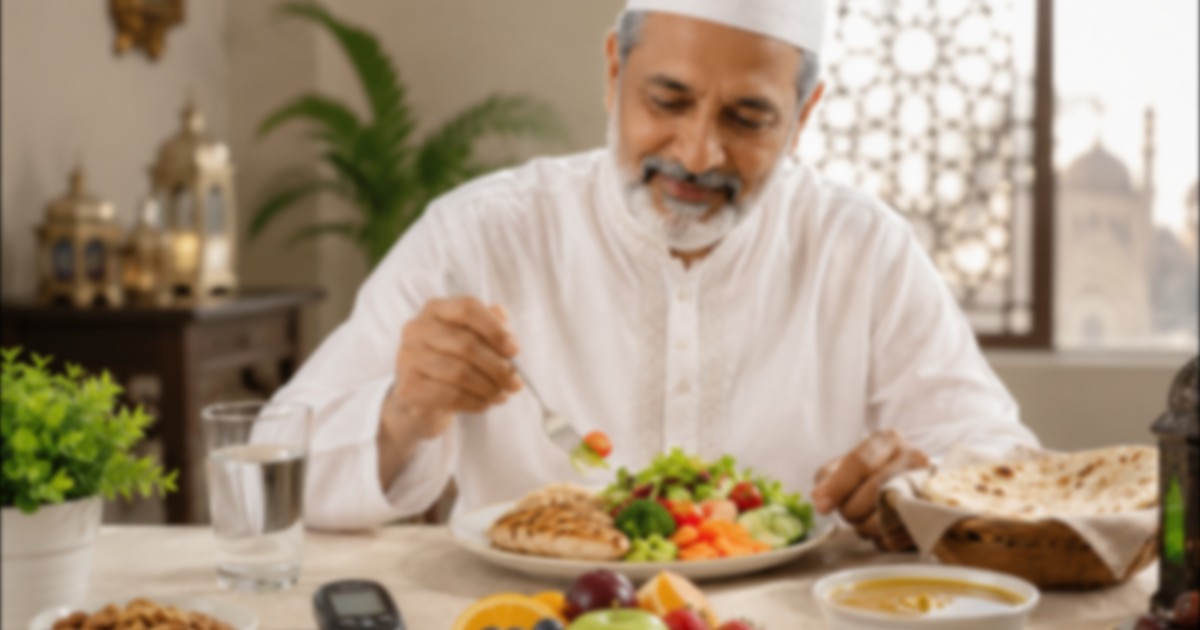
As families prepare for the traditional feasts of Eid al-Adha, maintaining optimal health becomes a primary concern for individuals living with chronic conditions. The holiday is traditionally celebrated with a rich variety of meat-based dishes, which are often high in saturated fats and cholesterol. For individuals diagnosed with diabetes, navigating these culinary traditions requires a deliberate strategy to prevent sudden spikes in blood glucose levels.
Portion control remains the foundational element of managing diabetes during festive seasons.
Traditional holiday meals frequently feature refined carbohydrates such as seasoned rice, heavy stews, and assorted sugary desserts. Health professionals emphasize that consuming excessive portions of these food groups can severely disrupt metabolic stability. Instead of overindulging under social pressure, individuals should monitor their carbohydrate intake and stick closely to their recommended caloric limits. Refusing extra servings from well-meaning hosts is a necessary boundary for self-care.
Dessert selections also demand careful modification to avoid rapid spikes in blood sugar. Instead of consuming traditional sweets heavily laden with sugar syrup, patients are advised to opt for plain yogurt, small handfuls of raw nuts, or fresh fruit salads. Similarly, carbonated soft drinks and commercial fruit juices should be completely replaced with natural alternatives like plain water, unsweetened green tea, or fresh coconut water. These options support proper hydration without introducing hidden sugars into the bloodstream.
Furthermore, holiday disruptions should not serve as an excuse to abandon daily physical routines. Maintaining a consistent exercise schedule, such as a thirty-minute brisk walk after meals, is vital for assisting the body in processing additional caloric loads. If a heavier meal is consumed during the afternoon, individuals should ensure their evening meal remains significantly lighter, focusing on lean proteins and fibrous vegetables.
Sticking to a regular schedule for both meals and prescribed medications is non-negotiable, regardless of holiday hosting responsibilities. Forgetting an insulin dose or delaying medication because of social engagements can lead to acute health complications. Keeping a portable glucometer accessible allows for real-time monitoring and timely adjustments throughout the day.