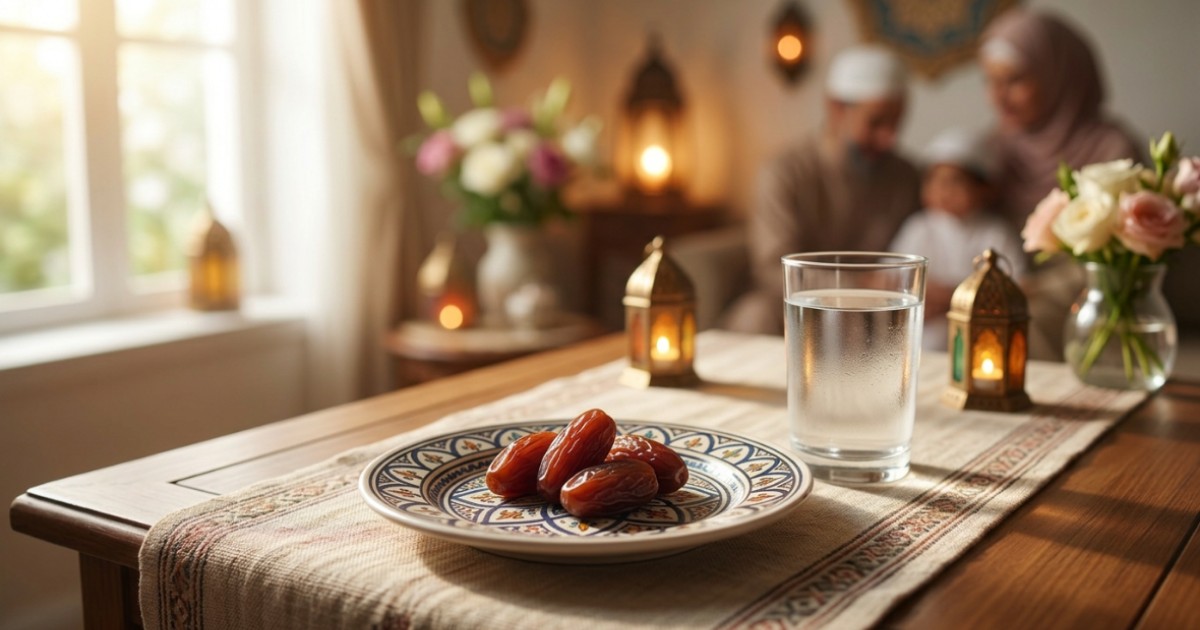
For the global Muslim community, Eid is more than a holiday; it is a sacred day of worship, gratitude, and communal celebration. Islamic tradition provides beautiful, specific guidance regarding how to observe this day, including practices related to food and timing. The Sunnah of the Prophet Muhammad (SAW) establishes distinct etiquettes for both Eid al-Fitr and Eid al-Adha, serving as a vital model for believers seeking to honor the occasion properly.
Eating before the Eid al-Fitr prayer is a strictly observed Sunnah.
According to a report in Sahih al-Bukhari, the Prophet (SAW) would not depart for the Eid al-Fitr prayer without consuming a few dates. He traditionally ate them in an odd number. Scholars explain that this practice symbolizes the expression of joy following the conclusion of the month-long fast of Ramadan and serves as a public acknowledgment of Allah`s blessings. If dates are unavailable, consuming other halal sweets or food is acceptable, though maintaining the tradition of starting with an odd number of dates remains the preferred Sunnah.
In contrast, the regulations for Eid al-Adha are quite different. It is Sunnah to refrain from eating anything until the prayer is completed. Historical accounts clarify that the Prophet (SAW) would not consume food on the morning of Eid al-Adha until he had returned from the prayer, at which point he would break his fast with meat from his own Qurbani sacrifice. This practice reflects the profound connection between the act of worship and the symbolic nature of the sacrifice. For those who are not performing the sacrifice themselves, refraining from food until after the prayer is still considered Mustahab, though they may eat any halal food immediately upon returning.
While enjoying high-quality food during the festivities is both permissible and a core component of the celebration, Islam strictly discourages excess and waste. Allah explicitly commands in the Quran to eat and drink but not to be extravagant. Therefore, it is essential for families to ensure that the excitement of Eid does not lead to arrogance, excessive waste, or indulgence in sinful behavior. Moderation in consumption is considered an integral part of the etiquette of the holiday.
Beyond personal consumption, sharing meals with neighbors and those in financial need is regarded as a highly rewarded act. Dividing the meat from the Qurbani sacrifice into three portions—one for the family, one for relatives, and one for those living in poverty—is an exemplary practice for Eid al-Adha. Following the Sunnah in every aspect of the day, including food consumption and the distribution of charity, encapsulates the true beauty and spiritual essence of the Eid celebration.