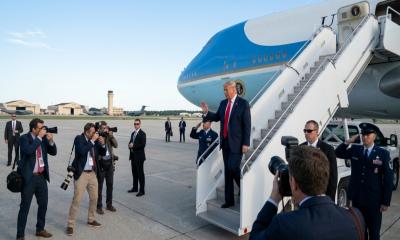
The United States and Iran have engaged in a second consecutive day of reciprocal strikes across the Middle East, further destabilizing a region already reeling from months of intermittent conflict. The latest wave of hostilities threatens to fully collapse the fragile ceasefire agreement that had been in place since April. US President Donald Trump has issued a stern warning to Tehran, stating that Iran has waited too long to negotiate a permanent end to the war.
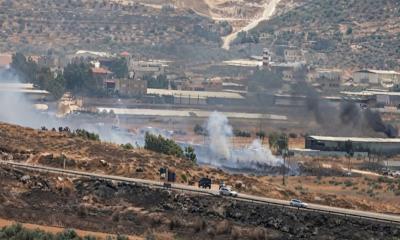
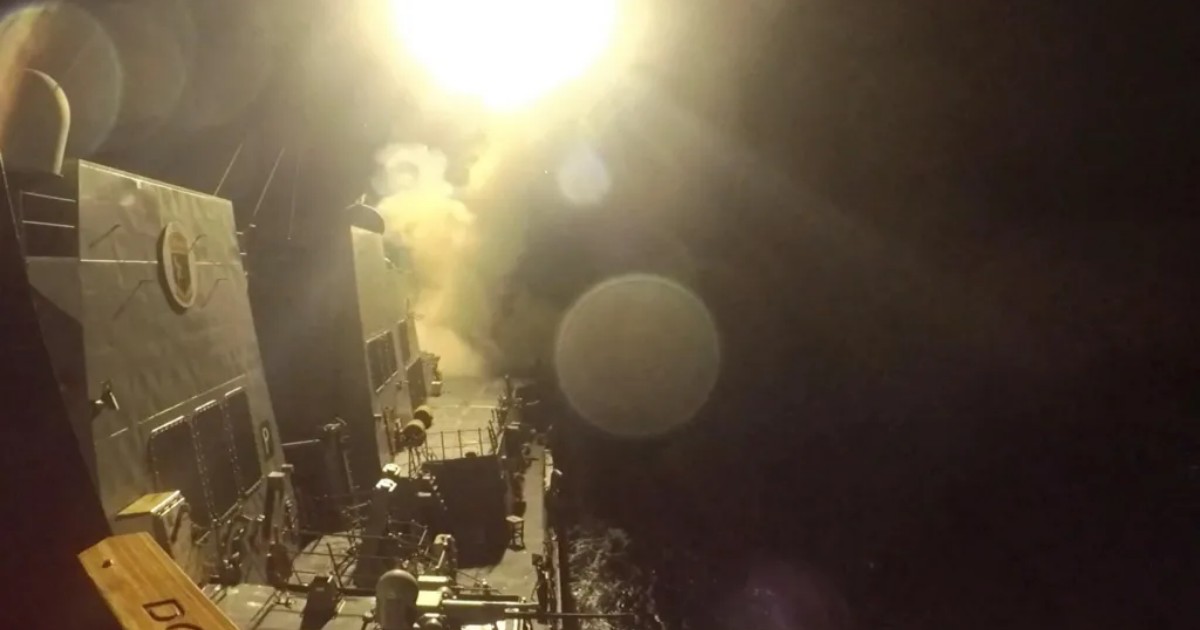
US Central Command confirmed that it had carried out a new series of self-defense strikes against military, surveillance, and radar installations in southern Iran. According to officials, the operation involved assets from the US Air Force, Navy, and Marines, aimed at neutralizing specific defensive capabilities. These strikes were described by Washington as a proportional response to ongoing Iranian provocations in the region.
Tehran has responded aggressively, targeting US military assets in several countries. The Islamic Revolutionary Guard Corps (IRGC) announced that it had fired a barrage of ballistic missiles at various US command centers. Specifically, the IRGC claimed that 12 ballistic missiles were launched at the Muwaffaq Salti Airbase in Jordan. Iranian state media asserted that these strikes destroyed a significant number of US fighter jets and ground facilities, although these claims have not been independently verified.
The security situation in the Gulf has deteriorated rapidly, leading to major operational disruptions. Kuwait’s interior ministry reported the activation of air raid sirens overnight as the country’s air defense systems engaged incoming threats. Kuwaiti authorities subsequently announced the temporary closure of their airspace, citing the Iranian attacks, while flights were diverted to ensure safety. Similarly, Bahrain reported localized alerts as regional defensive measures were bolstered.
President Trump has maintained a hardline stance, declaring that the United States would hit Iran harder if Tehran continued to obstruct diplomatic progress. While Iranian officials have indicated that diplomatic channels remain open, the current military reality suggests a hardening of positions on both sides. The rapid escalation has triggered alarm among regional neighbors, who fear being caught in the crossfire of this expanding confrontation.
Analysts warn that the failure to secure a breakthrough in negotiations, coupled with the persistent instability around the Strait of Hormuz, could lead to a systemic shock to global energy markets. With both nations signaling a willingness to continue these exchanges, the risk of a broader, more devastating war remains high, potentially drawing in further regional allies and complicating the already precarious geopolitical landscape of the Middle East.