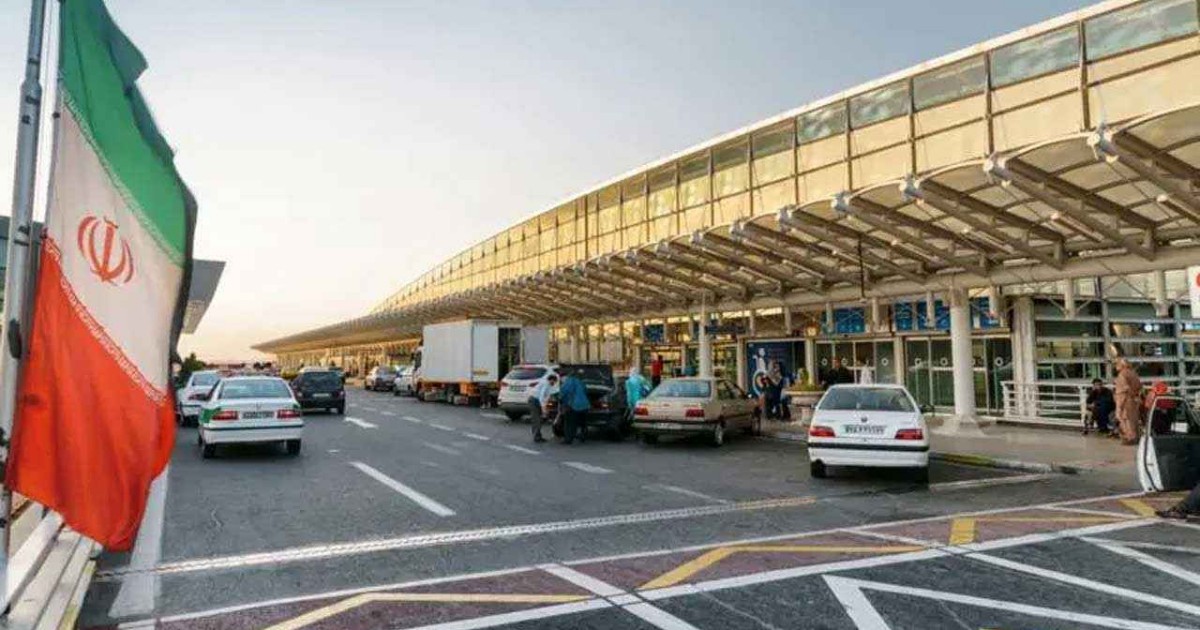
Tehran’s Imam Khomeini International Airport has officially resumed flight operations following a brief suspension caused by escalating regional tensions. The airport, a primary hub for international and domestic travel in Iran, had been temporarily shuttered as a security precaution following a sharp rise in military exchanges between Iran and Israel. According to local authorities, the facility is now back online, with the airport’s operations deputy confirming that the first Hajj flights from Saudi Arabia have successfully landed.
The suspension of flight services had been ordered by civil aviation authorities shortly after Iran launched missile strikes against Israel, which prompted fears of a broader retaliatory conflict. During the period of closure, all incoming and outgoing commercial flights were halted to ensure safety amid the heightened military alert. The resumption of activities is viewed as an attempt by the Iranian government to project a sense of return to operational normalcy, although the region remains under significant strain.
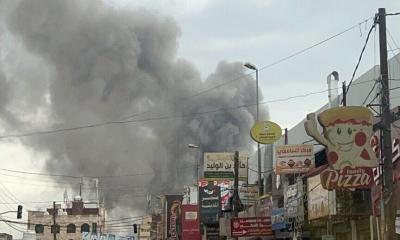
While flight services are slowly normalizing in Tehran, the situation in Israel stands in stark contrast. Following retaliatory airstrikes on Iranian territory, Israel has implemented an immediate and complete closure of its national airspace. Military authorities have reported that continuous air raid sirens are sounding across central Israel, including Jerusalem and Gush Dan, as the country braces for potential follow-up strikes. The Israeli Defense Forces (IDF) have indicated that projectiles were fired toward Israeli territory from Yemen, further complicating the aerial defense landscape.
Israeli media, including Channel 12, have reported that citizens across central Israel have been ordered to seek shelter as missile and drone alerts persist. This disruption to Israeli aviation comes as authorities struggle to manage the threat of incoming projectiles. The disparity between the reopening of Tehran’s airport and the total lockdown of Israeli airspace illustrates the fluid and precarious nature of the current conflict. As regional powers continue to exchange fire, the future of civil aviation in the Middle East remains tied to the ongoing military situation, with safety protocols expected to be enforced rigorously by authorities on both sides of the border.