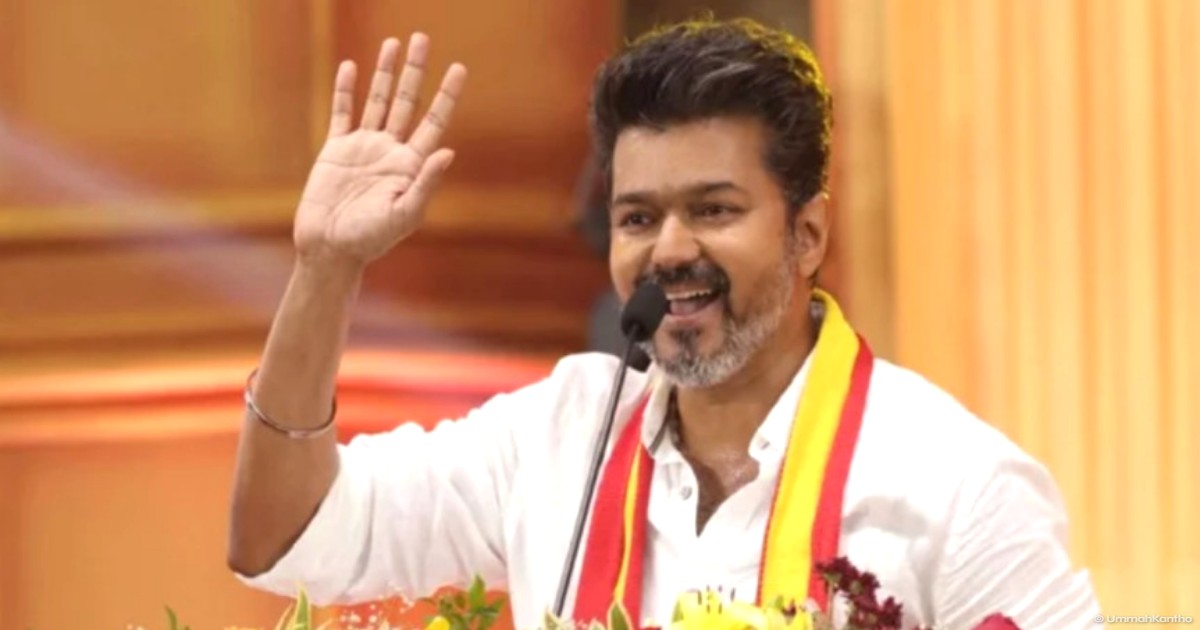
The 2026 Assembly elections in India are delivering a seismic shift in the country`s political map as counting trends on Monday suggest a massive upheaval in key states. From the eastern shores of West Bengal to the southern coast of Tamil Nadu, established political giants are facing unprecedented defeats. The Bharatiya Janata Party has breached the once-impenetrable fortress of Mamata Banerjee’s Trinamool Congress, crossing the majority mark in West Bengal for the first time. Simultaneously, Tamil Nadu has witnessed a "blockbuster" political debut by actor-turned-politician Joseph Vijay, whose party is set to end six decades of traditional Dravidian dominance.
In West Bengal, the saffron wave appears to have completely submerged the Trinamool Congress after its 15-year reign. Data from NDTV and various local sources indicate that the BJP is leading in approximately 205 out of 294 constituencies, well above the 148 seats needed for a majority. This surge comes amid a heated controversy over the Special Intensive Revision process, which saw nearly 9.1 million voters removed from the state`s electoral rolls. While Mamata Banerjee fought a spirited campaign and currently holds a lead in her Bhabanipur seat, the broader state results show a complete rejection of the incumbent administration, with dozens of TMC ministers trailing by significant margins.
The story in Tamil Nadu is even more dramatic, often being described by analysts as a political revolution. Thalapathy Vijay’s fledgling party, Tamilaga Vettri Kazhagam, has surged ahead of the state`s two main pillars—the DMK and the AIADMK. According to the Financial Express, the shock of the day came from Kolathur, where Chief Minister MK Stalin has reportedly lost his seat to a TVK candidate. With leads in over 125 seats, Vijay is poised to become the kingmaker or the king himself, signaling the first time in sixty years that a non-Dravidian ideology might lead the state government. The youth vote has been the primary engine for this change, reflecting a deep-seated frustration with the long-standing rivalry between the state`s two traditional parties.
The wave of change is not limited to Bengal and Tamil Nadu. In Kerala, the Congress-led United Democratic Front is on track for a comfortable victory, leading in nearly 100 seats. This defeat for the Left Democratic Front marks a historic moment for the country, as it will be the first time in five decades that India is without a single communist-led state government. For the CPI(M), this is an existential crisis, as their support base in their last remaining stronghold has significantly eroded. Meanwhile, in Assam, the BJP is continuing its dominance, with Chief Minister Himanta Biswa Sarma set to retain power with an even larger mandate than in 2021.
These results are likely to redefine the national political discourse leading up to the 2029 general elections. The BJP’s victory in West Bengal gives them a powerful foothold in the East, while the rise of Vijay in the South introduces a new, charismatic regional player who could challenge national narratives. For the Congress, the win in Kerala provides a much-needed morale boost, even as they struggle to maintain relevance in other states. As the final results are confirmed by the evening, India stands at the dawn of a new era where traditional incumbency is no longer a guarantee of power and fresh faces are being welcomed with open arms by a changing electorate.
Would you like to focus on any specific local constituency or leader`s reaction in the next update?