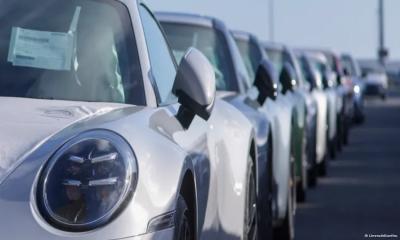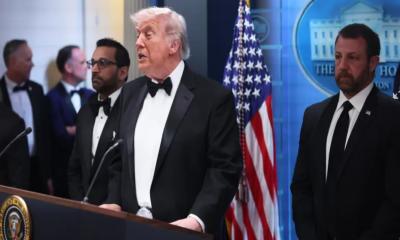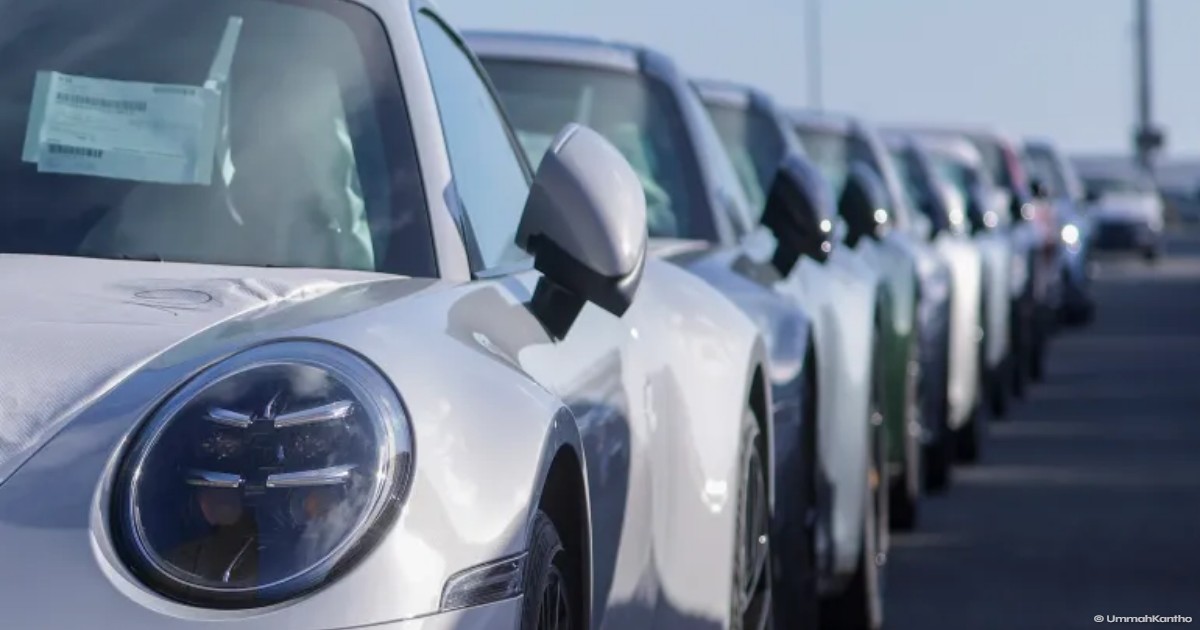
US President Donald Trump has announced plans to hike US EU car tariffs on vehicles manufactured in the European Union from 15 percent to a staggering 25 percent. The decision, revealed on Friday, centers on accusations that Brussels is taking too long to comply with a comprehensive trade deal agreed upon last July. According to Al Jazeera and Reuters, the move risks triggering a full-scale transatlantic trade war at a time when relations are already severely strained over broader geopolitical differences, including the EU`s refusal to join Washington’s current stance on Iran.
Trump made the announcement via his Truth Social platform, stating that the EU was not complying with their "fully agreed to Trade Deal." He emphasized that the new 25 percent levy would take effect next week, directly targeting the lucrative European automotive export market. The US president did offer a caveat, clarifying that European companies manufacturing vehicles inside the United States would be entirely exempt from the tariffs. He pointed to over $100 billion currently being invested in American auto and truck plants as a sign of an ongoing domestic manufacturing resurgence.
The current friction stems from the so-called "Turnberry Agreement," a political framework established in July 2025 between Trump and European Commission President Ursula von der Leyen. That deal originally capped US tariffs on most EU goods, including automobiles, at 15 percent. In exchange, the European Union agreed to purchase hundreds of billions of dollars in American weaponry and energy products to help balance a persistent trade deficit. The European Union had previously estimated that the 15 percent cap would save European automakers approximately 500 million to 600 million euros each month.
The picture remains incomplete without understanding the legal and political hurdles the Turnberry Agreement has faced on both sides of the Atlantic. European Union lawmakers initially paused ratification of the deal in January after Trump proposed annexing Greenland. Meanwhile, a US Supreme Court ruling in February declared Trump’s sweeping global economic emergency tariffs unlawful. This judicial setback forced the US administration to rely on different legal mechanisms, such as Section 122 of the US Trade Act of 1974 or Section 232 of the Trade Expansion Act, to justify the new auto levies under national security and trade imbalance grounds.
European leaders have forcefully pushed back against Trump`s latest ultimatum. Speaking to reporters in Yerevan on Tuesday, Ursula von der Leyen firmly rejected the claim that the bloc was stalling the agreement. "A deal is a deal, and we have a deal," she said, insisting that the EU expects Washington to honor its commitments while European democratic procedures run their course. French President Emmanuel Macron took an even harder stance, suggesting that the European Union should be fully prepared to activate its anti-coercion instrument to forcefully counter the tariff threats.
The economic stakes are undeniably massive for the European auto industry. Data from Eurostat shows the EU maintained a 40.8 billion euro ($47.7 billion) trade in goods surplus with the United States in the third quarter of 2025 alone. German brands such as Volkswagen, BMW, Mercedes-Benz, Audi, and Porsche are particularly vulnerable, as a January report by Car Sales Statistics indicates they account for roughly 7.5 percent of the US light-vehicle market, selling about 1.2 million cars annually.
German Chancellor Friedrich Merz, whose country faces the steepest economic fallout, has publicly urged EU member states to quickly finalize their internal approval of the trade pact. Trade experts warn that a 25 percent hike in US EU car tariffs could severely disrupt global auto supply chains. Peter Chase, a senior fellow at the German Marshall Fund, told Al Jazeera that the ultimate impact will depend heavily on whether American consumers are willing to absorb the additional costs at dealerships. While the new tariffs have yet to be formalized through an executive order, the mere threat has already caused deep unease across the continent`s manufacturing sector.