The announcement of Brazil’s squad for the 2026 FIFA World Cup has ignited significant debate within the global football community. Manager Carlo Ancelotti has selected a roster with an average age of 29.5 years, the oldest in the nation’s history. This marks a departure from the traditional Brazilian football culture, which historically thrives on the youthful energy and creative unpredictability of emerging talents. By opting for a seasoned group, Ancelotti has signaled his intention to build a side focused on reliability and structural integrity rather than the romantic style often associated with the Selecao.
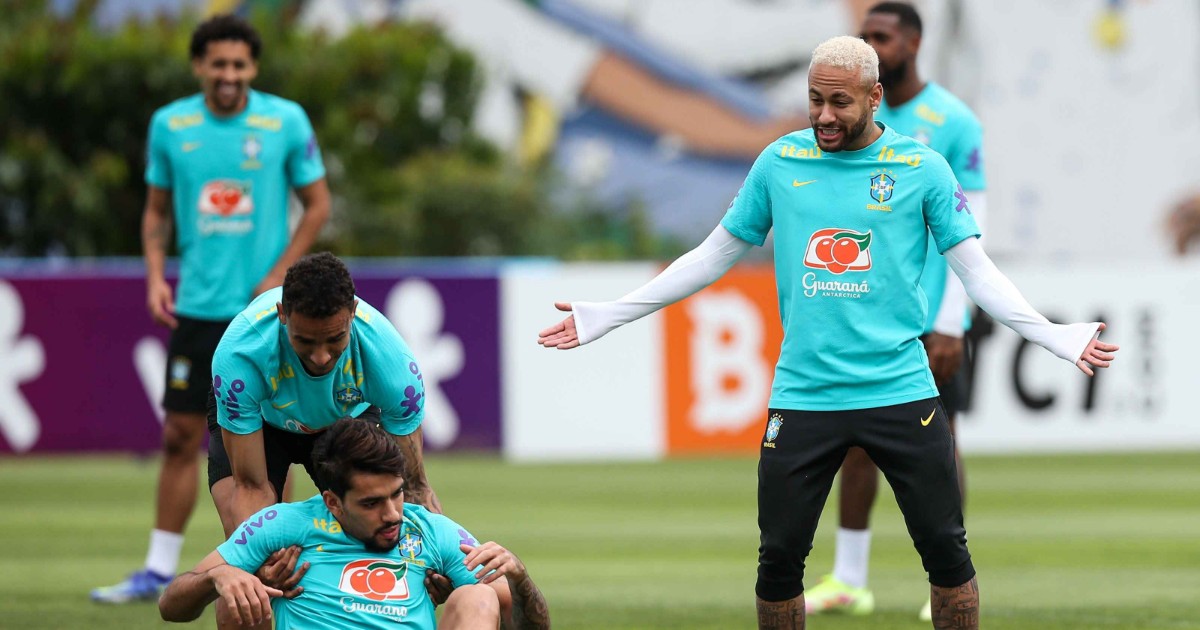
The squad features 15 players who participated in the previous World Cup, reflecting a heavy reliance on experience. Neymar returns to the fold at age 34, a selection that surprised many given his limited involvement in Ancelotti`s plans over the past year. Furthermore, the inclusion of 38-year-old goalkeeper Weverton reinforces the coaching staff`s commitment to veteran presence. The physical profile of this team is also notable, with an average height of nearly six feet. This physical stature suggests a tactical pivot toward dominating set-pieces and handling the athletic demands of the modern international game.
Domestic representation has seen a resurgence, with seven players selected from Brazilian clubs. The improved financial standing of teams like Flamengo and Botafogo has made it feasible for stars to return home, yet the core of the team remains firmly rooted in Europe. Seventeen players are currently active in top European leagues, including eight from the English Premier League. Ancelotti appears to be blending European tactical rigor with the technical foundation characteristic of Brazilian players.
Tactically, Ancelotti seems prepared to sacrifice prolonged ball possession in favor of direct, counter-attacking football. The strategy centers on absorbing pressure and utilizing the extreme pace of Vinicius Junior to exploit gaps in the opposition`s defense. Bruno Guimaraes is expected to serve as the engine in midfield, responsible for dictating the tempo and breaking up opposition play. He will be complemented by the creative presence of Lucas Paqueta, who acts as the bridge between midfield and attack. Defensively, Marquinhos provides leadership, supported by goalkeeper Alisson Becker, whose reputation for winning tight, knockout-stage matches remains a vital asset.
The squad also includes 19-year-old forward Rayan, representing the only significant injection of youthful dynamism into the group. While he may start on the bench, his ability to change the complexion of a match as a substitute is viewed as a strategic advantage. Brazil has spent 24 years chasing a sixth World Cup title, and Ancelotti’s approach suggests they are willing to prioritize results over the aesthetic ideal of jogo bonito. Whether this pragmatic shift towards a tournament machine can secure the elusive trophy is the defining question of their campaign.