The Bank of England has signaled that interest rates could rise significantly later this year as the ongoing conflict in Iran continues to fuel global inflation and creates a massive energy price shock for the United Kingdom. During its latest monetary policy meeting on Thursday, April 30, 2026, the majority of the Bank’s rate-setters voted to maintain the current base rate at 3.75 percent. However, officials warned that they are prepared to act "forcefully" should the price of oil continue its upward trajectory. The announcement follows reports that Brent crude briefly surged past $126 a barrel this week, marking its highest level in four years.
Governor Andrew Bailey described the recent jump in energy prices as a "very big shock" to the British economy. In an interview with the BBC, Bailey expressed deep concern regarding the impact of these rising costs on lower-income households. He emphasized that while inflation is detrimental to the entire population, it is particularly punishing for the least well-off, who spend a disproportionately large percentage of their income on essential items like food and fuel. With the national inflation rate hitting 3.3 percent in the year to March, the Bank remains far from its primary stability target of 2 percent.
To manage the current uncertainty, the central bank has outlined three distinct economic pathways based on the severity and duration of the Iran war. The first scenario envisions energy prices falling back relatively quickly, leading inflation to peak at 3.6 percent before dropping next year. The second scenario, which Governor Bailey suggests is more likely given the current geopolitical climate, assumes a slower recovery where energy prices remain elevated and inflation stays at approximately 3.7 percent for a prolonged period. The most adverse possibility involves oil prices remaining above $120 a barrel for the rest of 2026, which could push inflation to a peak of 6.2 percent and force interest rates as high as 5.5 percent.
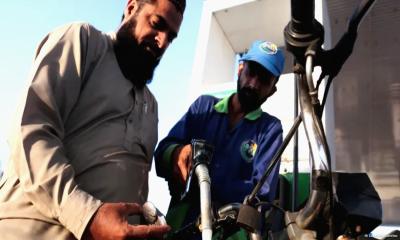
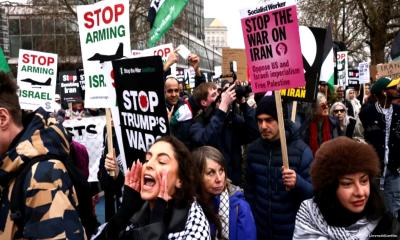
The current spike in oil prices is directly linked to the U.S. naval blockade of Iranian ports and the subsequent closure of the Strait of Hormuz. Market observers note that as peace talks remain stalled, traders are losing hope for a quick resumption of global oil flows. This geopolitical tension has already been felt at petrol pumps across the UK, and economists warn that it will inevitably lead to higher household utility bills later in the year. The Bank of England is now tasked with charting a course through this volatility, using its policy flexibility to balance the risks of a stagnant economy against the pressures of runaway price increases.
While the Bank did not raise rates this week, the 8-1 vote indicates a growing hawkishness among policymakers. Unlike earlier in 2026, when many economists predicted interest rate cuts, the focus has now shifted entirely toward damage control. Financial markets have already started pricing in a quarter-point increase as early as July. Experts suggest that the Bank’s cautious approach is designed to gauge the full extent of the economic damage building up from the war before making a definitive move. However, with oil prices teetering near $130, the window for maintaining the current 3.75 percent rate appears to be narrowing.
Ultimately, the stability of the UK’s financial outlook remains tethered to developments in the Middle East. Governor Bailey acknowledged that a more benign scenario is still possible if the conflict resolves quickly, which would allow the Bank to continue holding rates steady. However, the current reality of supply chain disruptions and high freight charges suggests that British consumers and businesses should prepare for a tighter credit environment. The Bank of England remains on high alert, emphasizing that its primary job is to ensure that inflation returns to target, regardless of the external pressures currently destabilizing the global market.