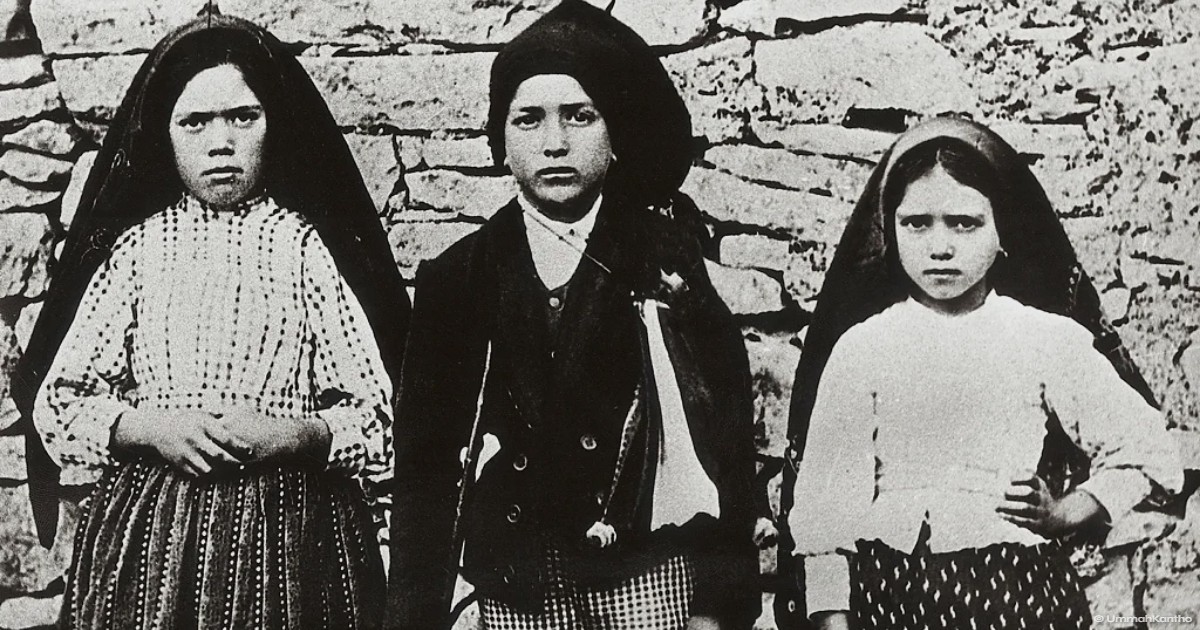
On May 13, 1917, in the rural meadow of Cova da Iria in Fatima, Portugal, three young shepherds—Lucia dos Santos and her cousins Francisco and Jacinta Marto—claimed to have seen a luminous figure in an oak tree. This apparition, which they identified as the Virgin Mary, would set in motion a series of events that eventually transcended religious devotion to become a potent political symbol during the Cold War. The children spoke of three secrets or revelations, the second of which explicitly targeted Russia. This prophecy suggested that unless Russia was consecrated to God, it would spread its errors throughout the world, causing wars and the persecution of the Church. This message, delivered just months before the Bolshevik Revolution, created a lasting link between the shrine at Fatima and the global struggle against communism.
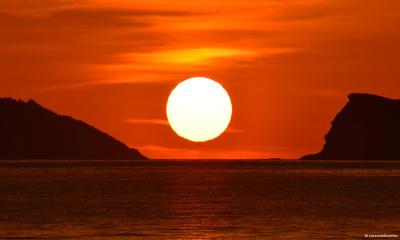
The peak of the Fatima phenomenon occurred on October 13, 1917, in an event famously known as the Miracle of the Sun. An estimated 50,000 to 70,000 people gathered in the rain-soaked fields of Fatima, waiting for a sign. Witnesses reported that the clouds suddenly parted, and the sun appeared as a spinning disk of fire, casting multi-colored lights across the landscape before appearing to plunge toward the earth. In a 1992 interview with the BBC, witness Francisco Ferreira Rosa recalled seeing colors in the sky and a shower of flowers like snowfall. While skeptics have labeled the event as a mass hallucination or a rare solar phenomenon, the impact on the public consciousness was undeniable. Even anti-religious newspapers of the time, such as O Século, reported the event as terrifying and extraordinary, cementing Fatima’s place in 20th-century history.
As the decades progressed and the Iron Curtain fell across Europe, Fatima became an ideological shrine for anti-communists. Under the ultra-conservative dictatorship of António de Oliveira Salazar in Portugal, the rural village was transformed into a major international landmark. The message of Fatima offered a metaphysical explanation for the rise of the Soviet Union and a spiritual solution for its eventual demise. Theologian Michael Walsh noted in the early 1990s that the anti-communist narrative of Fatima, which intensified in the 1920s, became a divisive yet driving force within the Catholic Church. For many in the West, the prophecies provided a divine mandate to resist the spread of Marxist-Leninist ideology, framing the Cold War as a battle between light and darkness.
The significance of the Fatima prophecies reached a new height with the election of the Polish-born Pope John Paul II. On May 13, 1981—the anniversary of the first apparition—an assassination attempt was made on the Pope in St. Peter`s Square. Shot at close range by Mehmet Ali Ağca, the Pope survived, a feat he attributed entirely to the intervention of the Virgin of Fatima. This event fueled theories that the Soviet Union, wary of the Pope`s influence on the Solidarity movement in Poland, had orchestrated the attack. In his 2005 memoir, John Paul II hinted that the assassination attempt was masterminded by external forces, a thinly veiled reference to the Kremlin. His personal devotion to Fatima and his subsequent consecration of Russia in 1984 are seen by many believers as the spiritual catalyst for the collapse of the Soviet bloc.
When the Soviet Union finally dissolved in December 1991, the followers of Fatima saw it as the ultimate fulfillment of the second secret. The collapse of the atheist state was viewed not just as a political failure of the planned economy, but as the triumph of faith over a "flawed ideology." The Vatican eventually released the long-hidden third secret in the year 2000, which described a "bishop in white" falling under a hail of gunfire amidst the ruins of a city. While the Church interpreted this as the 1981 assassination attempt, the timing of its release and its symbolic imagery continued to provoke debate about the intersection of divine prophecy and global power shifts. The narrative of Fatima had successfully bridged the gap between 1917 and 1991, providing a religious framework for one of the most significant geopolitical events of the century.
Today, Fatima remains one of the most visited shrines in the world, with thousands of pilgrims still crawling on their knees along the marble Via Penitencial. While historians may focus on the economic and social factors that led to the fall of the USSR, the story of Fatima highlights the power of belief in shaping human action and political identity. The "wheel of fire" seen in the sky in 1917 continues to burn in the memories of those who see history through the lens of faith. Whether viewed as a miracle or a masterclass in political mobilization, the prophecies of Fatima demonstrate how a rural vision could become a global force, prophesying and, in the minds of many, ensuring the fall of one of the world`s greatest empires.