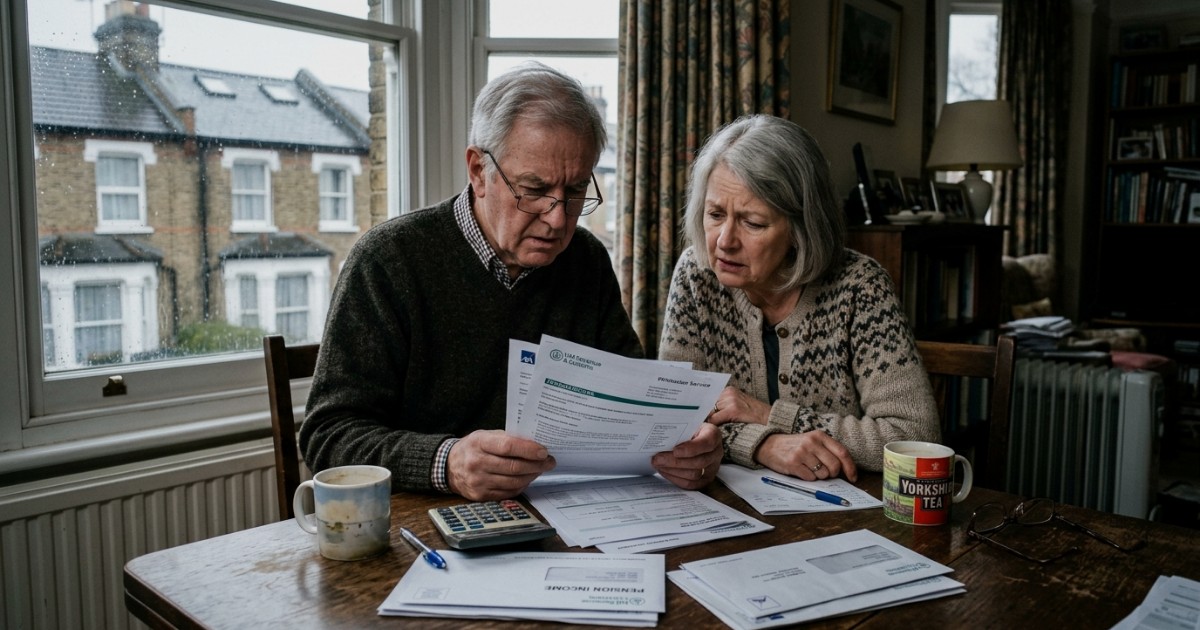
Financial experts have warned that the UK government`s latest state pension tax write-off is deeply flawed and sets up a highly discriminatory multi-tier retirement system. The controversy stems from the state pension triple lock policy, which will push the full new pension payout above the frozen £12,570 tax-free personal allowance threshold by April 2027. This shift means millions of low-income retirees will face unexpected income tax obligations for the first time in recent history.
To defuse political backlash, Chancellor Rachel Reeves introduced a selective tax carve-out.
However, an in-depth analysis by the consultancy firm LCP reveals that this measure will only benefit an estimated 800,000 retirees out of the country`s 13.2 million state pensioners. Shockingly, the exemption completely excludes approximately 7.7 million older citizens who reached retirement age before April 6, 2016, and remain on the legacy basic pension system. Even if these legacy retirees have identical total incomes due to historical state top-ups, they will still face structural tax bills while new system counterparts pay nothing.
Former pensions minister Sir Steve Webb described the targeted policy as a temporary sticking plaster that creates a dangerous financial cliff edge. Under the current rules, if an eligible low-income pensioner brings in as little as £1 of outside income, they lose the entire protection and owe tax on their full pension surplus. By the end of the decade, this structural quirk could slap savers with an effective tax rate of over 40 percent on modest private pensions, severely undermining the incentive for working-class citizens to build personal savings.
The fiscal impact of this tax carve-out will also introduce long-term pressures on national public finances. Estimates suggest the policy will drain more than £170 million annually from the Treasury in lost tax revenue by 2030, making it increasingly difficult for future administrations to reverse. Although the previous Conservative administration had proposed tying the personal allowance to the state pension via a "triple lock plus" framework, the current Labour government rejected that model. The Treasury has declined to comment directly on the financial projections but indicated further structural details will be released in due course.