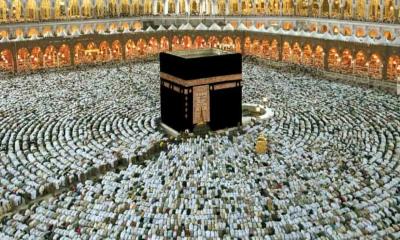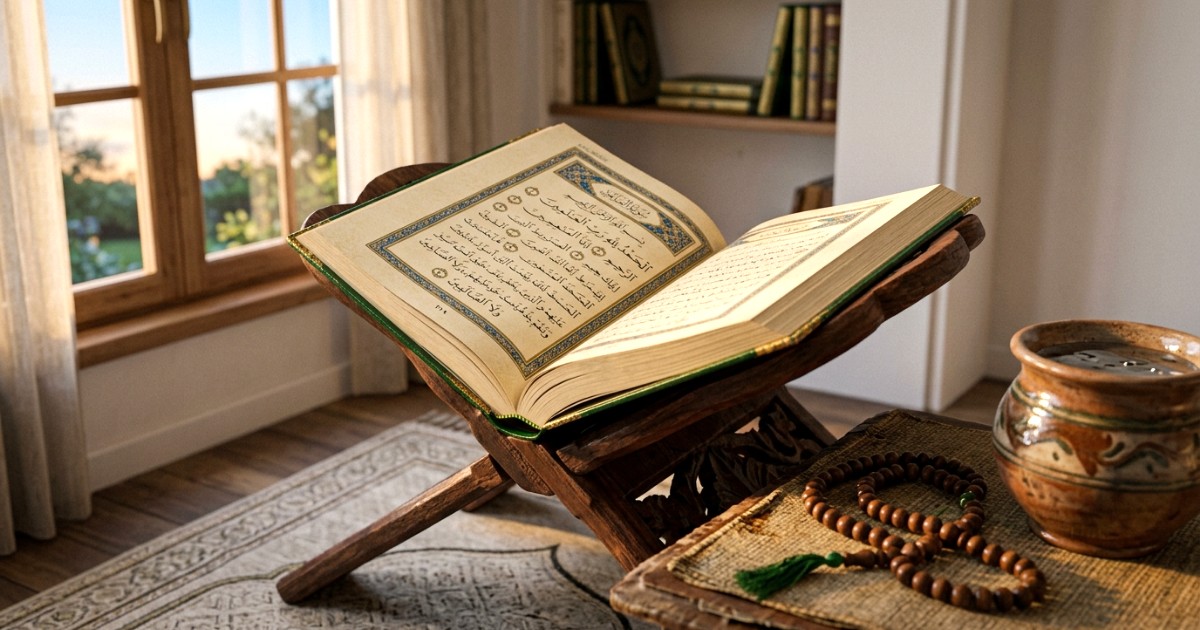
The spiritual stature and devotional weight of the first ten days of Dhul Hijjah carry immense significance within Islamic theology, with every moment designated as highly sacred. In the Holy Qur`an, Allah swears an oath by these specific ten nights, emphasizing their elevated standing above ordinary seasonal cycles (Surah Al-Fajr, 89:2). Furthermore, the Prophet Muhammad (PBUH) explicitly stated that there are no days in which righteous deeds are more beloved to Allah than these ten days (Sahih al-Bukhari, 969). For believers intending to participate in the annual slaughter of sacrificial animals, specific canonical obligations and prophetic traditions must be integrated into daily life before offering Qurbani.
These protective ritual observations systematically commence immediately following the verified sighting of the crescent moon.
According to established prophetic traditions, refraining from cutting one`s hair, trimming nails, or removing any bodily hair from the inception of the lunar month until the sacrificial animal is processed represents a highly encouraged practice. As narrated by Umm Salamah (RA), the Messenger of Allah (PBUH) instructed that whoever among you intends to sacrifice must not cut his hair or clip his nails once the crescent of Dhul Hijjah becomes visible (Sahih Muslim, 1077). Islamic jurists classify this restriction as a recommended sunnah that applies explicitly to the primary financial owner of the sacrifice rather than the entire household collective. If a pilgrim accidentally violates this guideline due to forgetfulness, the validity of the sacrifice remains undamaged, though intentional negligence drops the spiritual premium of the deed.
Sustaining voluntary fasts across the initial nine days of the month remains highly meritorious, reflecting the consistent personal practice of the Prophet (PBUH) during his lifetime (Sunan Abi Dawud, 2437). Among these windows of devotion, the fast executed on the ninth day, known as the Day of Arafah, holds the highest spiritual compensation, with prophetic texts affirming it expiates the sins of both the preceding and subsequent years (Sahih Muslim, 1162). However, this specific fast is restricted for the actual pilgrims performing Hajj on the plains of Arafah to preserve physical stamina for extensive supplications. Concurrently, public spaces and households must echo with increased invocations of divine praise, as scripted within structural commands to remember the divine name during these appointed days (Surah Al-Hajj, 22:28).
Additionally, repeating the Takbeer-e-Tashreeq aloud for men and quietly for women after every obligatory congregational prayer becomes a binding mandate from the dawn of the ninth day until the afternoon of the thirteenth. The culmination of these days occurs on the tenth of Dhul Hijjah, where the act of channeling sacrificial blood constitutes the most beloved deed before Allah on the day of Eid (Sunan al-Tirmidhi, 1493). Prophetic custom encourages the sacrifice manager to maintain a voluntary fast on the morning of Eid until returning from the prayer area to break their fast directly with the meat derived from their own animal. Ultimately, managing these steps meticulously before offering Qurbani ensures that the physical expenditure reflects profound inner piety rather than routine social display.
Believers who lack the material means to execute an independent animal sacrifice can still secure equivalent rewards by observing the hair and nail restrictions, executing their grooming exclusively on the morning of Eid instead. Mainstream jurisprudence also affirms that families can seamlessly combine standard child birth celebrations (Aqeeqah) within larger shared livestock allocations like cows or camels. Because this season functions as a premium spiritual window, every Muslim must actively safeguard their intentions to maximize their spiritual closeness to divine mercy.