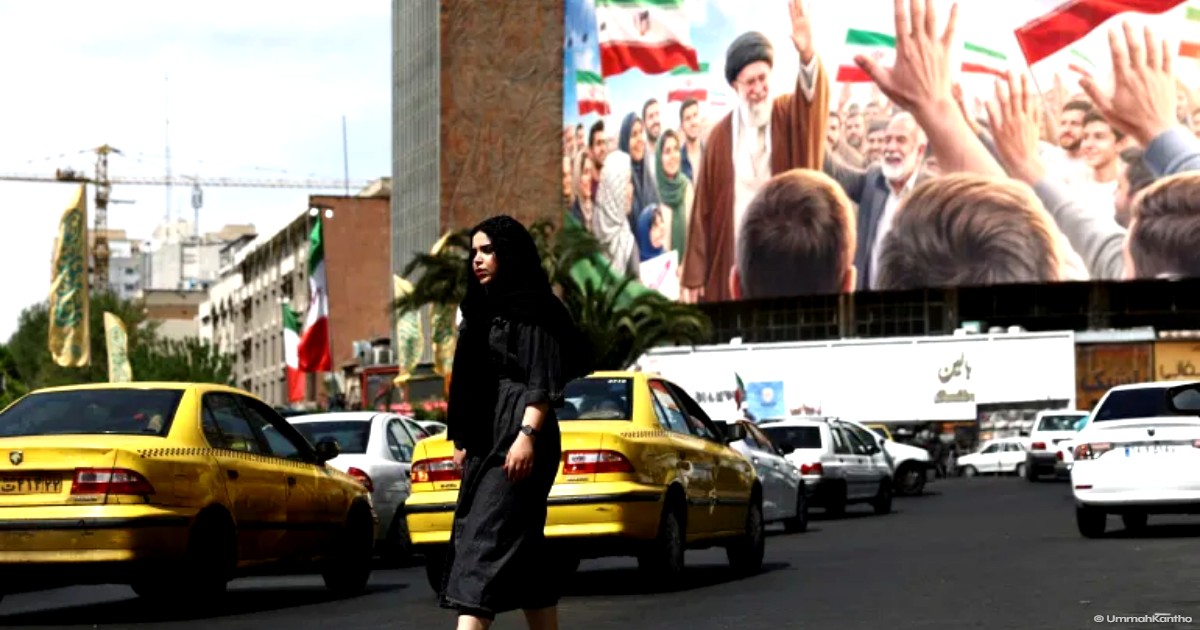
As the conflict between the United States and Iran enters its 60th day, a significant shift toward diplomacy is emerging. President Donald Trump’s national security team is currently reviewing a peace proposal submitted by Tehran, which offers a path to halt the war and reopen the strategically vital Strait of Hormuz.
The proposal suggests a decoupling of immediate peace efforts from the complex nuclear issue, proposing that negotiations regarding Iran’s nuclear program be delayed to a later stage—a move that could break the current deadlock but raises significant strategic questions in Washington.
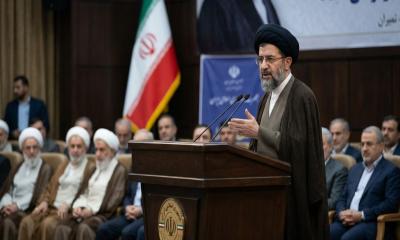
The diplomatic push reached a fever pitch in Saint Petersburg on Monday, where Iranian Foreign Minister Abbas Araghchi held a high-stakes meeting with Russian President Vladimir Putin. Araghchi confirmed that Tehran is considering a U.S. request to resume direct negotiations, though he placed the blame for previous failures squarely on Washington’s "excessive demands."
Putin, meanwhile, reaffirmed Russia’s strategic partnership with Iran, pledging to do "everything possible" to facilitate a cessation of hostilities. This meeting comes after Araghchi’s whirlwind tour through Oman and Pakistan, highlighting the intense back-channel efforts to resolve the crisis.
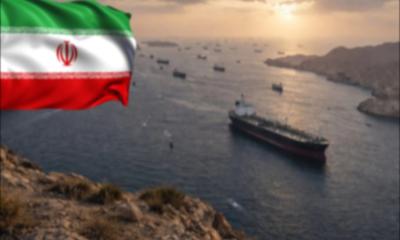
The stakes could not be higher for the global economy. The Strait of Hormuz, a narrow waterway through which one-fifth of the world’s oil supply passes, remains effectively paralyzed. A coalition of dozens of countries, led by Bahrain, issued an urgent appeal for the "unimpeded reopening" of the route.
United Nations Secretary-General Antonio Guterres has issued a dire warning, stating that the continued closure risks a supply chain disruption more catastrophic than those seen during the COVID-19 pandemic or the initial phases of the war in Ukraine. In a defiant legal move, Tehran has also announced a proposed national law that would place the management of the waterway under the sole authority of the Iranian armed forces.
Inside the White House, the "Trump Peace Team"—consisting of Vice President JD Vance, Jared Kushner, and Steve Witkoff—is weighing the merits of the Iranian plan. Analysts suggest that the economic strain of the war, coupled with rising oil prices, may push President Trump toward accepting the deal. Former U.S. official Henry S.
Ensher told Al Jazeera that reopening the Strait of Hormuz is likely the administration`s top priority, even if it means granting Iran a "strategic victory" by sidelining the nuclear file for the time being. However, critics within the U.S. foreign policy establishment warn that the negotiators’ lack of technical expertise regarding nuclear non-proliferation could be a "crucial weakness" in the long run.
The battlefield remains volatile despite these diplomatic flickers. Tehran recently condemned the U.S. seizure of two Iran-linked tankers, the Majestic X and the Tifani, labeling the move as "high-seas robbery" and "piracy."
These tensions underscore the fragility of the current situation. For Vice President JD Vance, securing a successful exit from the conflict could cement his status as a "MAGA hero," but the path forward is riddled with political and military landmines. As the world marks Day 60 of this devastating war, the focus remains on whether President Trump will pivot toward a pragmatic economic peace or continue the high-pressure military blockade that has brought the region to its knees.