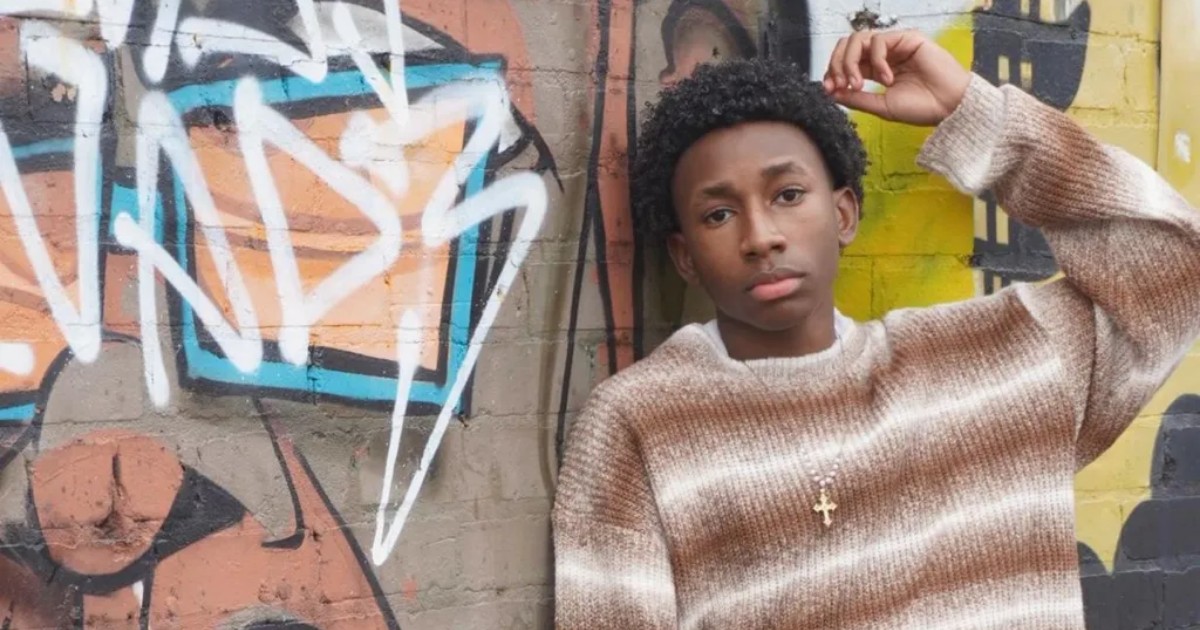
The newly proposed policy by the United Kingdom government to ban children under the age of 16 from accessing social media platforms has ignited a fierce debate among young digital creators and influencers. Slated to take effect next spring, the restrictive legislation is drawing sharp criticism from young artists who argue that the sudden restriction could permanently undermine an entire generation of emerging creative talent. Fifteen-year-old singer and dancer Ziame Stewart, who has been filming and sharing performance videos for most of his life, expressed deep frustration over the sweeping policy. Stewart pointed out that globally renowned artists like Justin Bieber, Billie Eilish, and rising British star Sekou were initially discovered as teenagers through these digital networks. Without access to these platforms, the young performer stressed that promoting independent work, building a loyal fanbase, and selling tickets for upcoming live performances would become an almost impossible task.
In sharp contrast, proponents of the blanket ban, including senior government officials and child welfare advocates, maintain that the policy is an essential intervention to safeguard minors from severe online hazards. Supporters argue that the legislation is necessary to isolate vulnerable children from highly addictive algorithms, cyberbullying, malicious online predators, and exposure to harmful content. Prime Minister Sir Keir Starmer formally unveiled the legislative framework on Monday, stating firmly that his administration is entirely unprepared to compromise on the safety and fundamental happiness of British children. Starmer emphasized that the upcoming statutory ban would effectively restore valuable time, security, and the essential freedom needed for young people to grow up without digital pressures. The United Kingdom joins Australia, which passed similar regulations last December, in confronting global tech conglomerates for their failure to design safer digital environments despite years of official warnings.
While many teenagers openly acknowledge the valid safety apprehensions held by parents and federal policymakers, several prominent youth influencers fear the unintended professional and psychological blowback of total digital isolation. Harry Sawtell, a sixteen-year-old beauty influencer commanding an audience of over 100,000 followers, has experienced the toxic underbelly of internet culture firsthand. Sharing his personal journey as an openly gay teenager online has frequently made Sawtell a target for severe cyberbullying and digital backlash. However, the young creator insists that digital networks provide an indispensable lifeline for vulnerable, marginalized youths seeking community and self-expression. Sawtell noted that he frequently receives deeply moving messages from other teenagers who credit his visible platform with giving them the courage to embrace their identities. Supported consistently by his family, he maintains that witnessing diverse, fulfilling lives on social networks offers struggling youth a vital sense of hope for their own futures.
The economic fallout of the sudden regulatory shift is also causing significant anxiety for younger creators who utilize these platforms as legitimate employment opportunities. Fourteen-year-old fashion enthusiast Miley Williams described her conflicting emotions regarding the impending nationwide ban, noting that social media functions strictly as her professional workplace. After building a substantial following from a viral video three years ago, Williams currently secures a steady monthly income of approximately 400 pounds through strategic brand partnerships, sponsored gifts, and digital performance clips. Because the vast majority of her target audience is comprised of individuals under the age of 16, she fears the sudden legislative enforcement will effectively dismantle her business model, erase her industry prospects, and eliminate her primary means of financing her future university education. The unfolding confrontation highlights a complex modern challenge as governments worldwide struggle to balance absolute child safety with economic opportunity and individual creative expression.