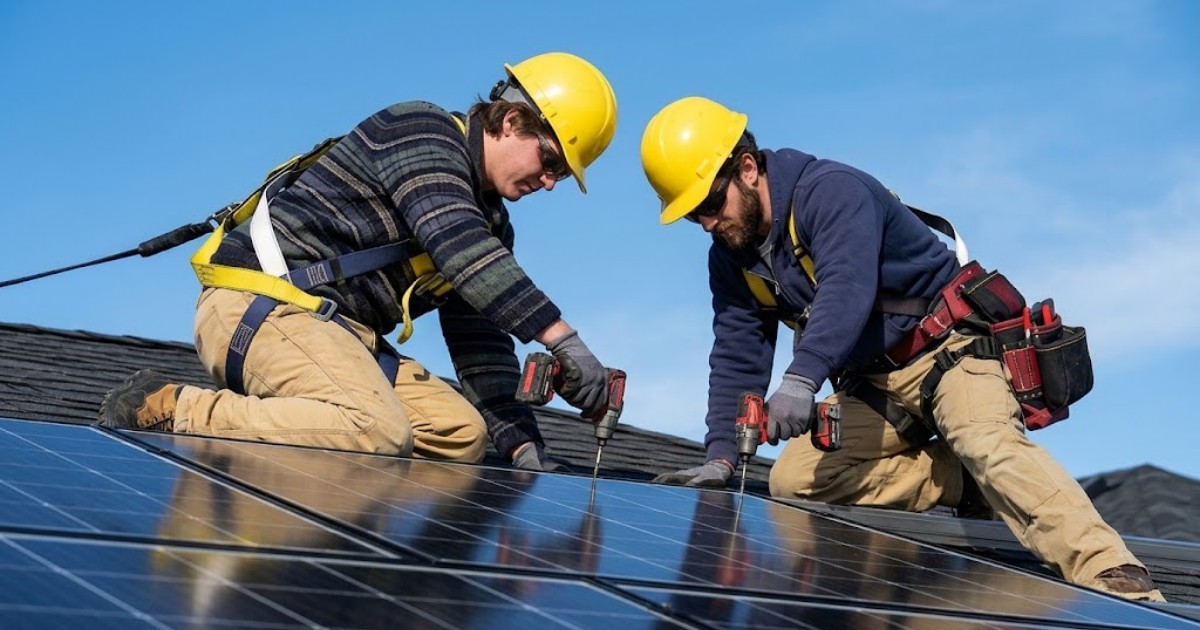
Solar roof installations continue to face restricted adoption across global housing markets despite offering an aesthetic alternative to bulky rooftop panels. Industry specialists point out that elevated manufacturing overheads, custom structural requirements, and complex trades coordination prevent the technology from competing evenly against conventional photovoltaic systems. While standard panels generate objections over exterior visual disruption, integrated shingles remain essential for historic districts bound by strict preservation regulations.
Commercial adoption remains constrained across major residential markets.
The sector experienced severe disruption after Tesla halted direct marketing of its solar shingles following weaker-than-anticipated consumer uptake and litigation concerning abrupt price revisions. In contrast, smaller European developers such as Switzerland-based Freesuns report continuous expansion, registering twenty to thirty percent sales growth since beginning operations in 2019. However, because domestic roof pitches and surface dimensions vary widely, components require individual architectural adjustments that keep unit costs elevated.
Setup expenses for integrated tiles frequently reach twice the cost of traditional solar arrays.
Installation workflows require extensive cross-trade collaboration among roofers, certified electricians, and solar technicians, adding administrative and permitting overhead. Maintenance logistics present similar operational hurdles because shingles lack space beneath the tiles for diagnostic circuit mapping, forcing inspectors to rely on thermal cameras. Technicians must avoid stepping across active shingle arrays during repairs, as structural pressure creates internal micro-fractures that degrade circuit integrity.
Restricted ventilation along the roof decking causes integrated cells to retain excess heat, which lowers overall power conversion efficiency compared to ventilated rack systems. Researchers at Germany`s Fraunhofer Institute for Solar Energy Systems emphasize that integrated tiles should be regarded as supplemental generation for passive roofs rather than direct competitors to high-yield panel farms. Emerging developments such as matrix shingling, which connects sliced cells with conductive adhesives instead of metal wiring, allow electric currents to circumvent localized shade while automated design software begins streamlining site-specific blueprints.