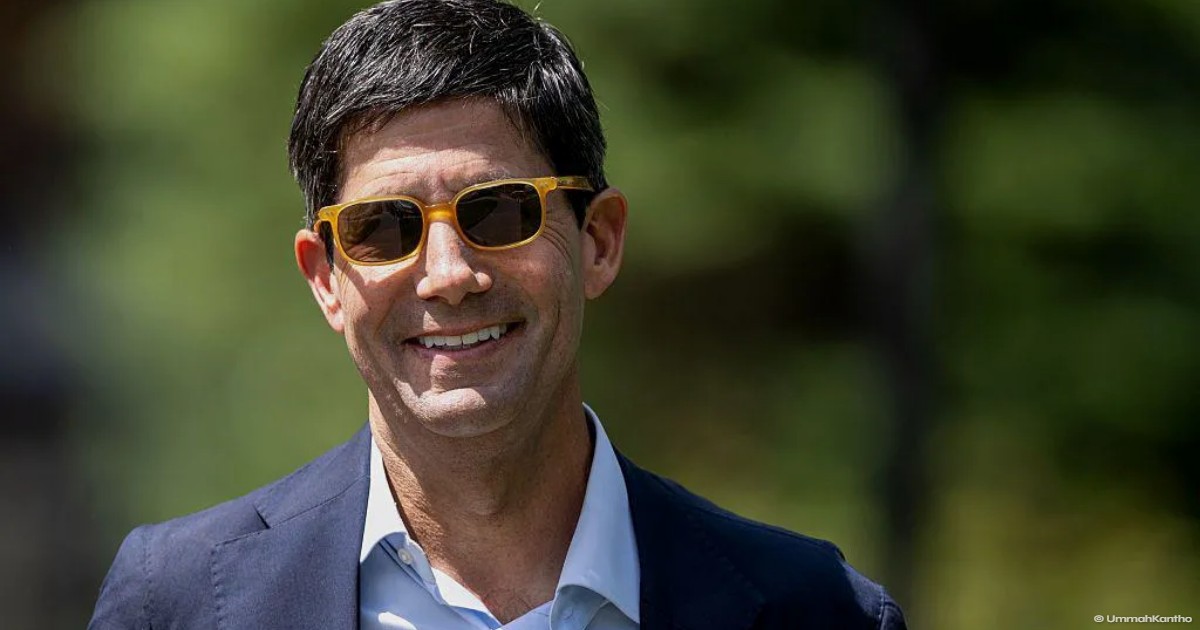
The United States Senate has officially confirmed Kevin Warsh as the next chair of the Federal Reserve in a vote that highlights the deep political polarization in Washington. On Wednesday, Warsh won confirmation with 54 votes in favor and 45 against, marking the narrowest margin for a Fed chair approval since the current confirmation process was established in 1977. He is set to succeed Jerome Powell, whose term concludes this Friday amidst an unprecedented federal probe launched by the Trump administration.
The vote largely followed party lines, with Pennsylvania Senator John Fetterman being the lone Democrat to cross the aisle and vote in favor of Warsh. Critics, led by Senator Elizabeth Warren, have argued that Warsh is "uniquely ill-suited" for the role, suggesting he was hand-picked to do President Trump`s bidding rather than act as an independent guardian of the economy. However, during his confirmation hearing, Warsh pushed back against these claims, vowing he would not act as Trump’s "sock puppet" and would fiercely defend the central bank’s independence.
The Inflation Nightmare
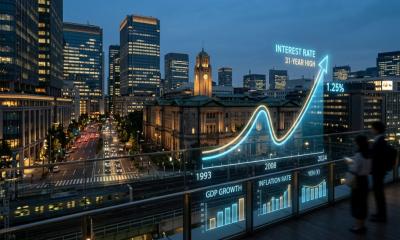
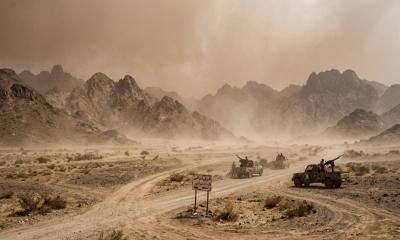
Warsh inherits an economy teetering on the edge of a new inflationary cycle. Data released on Tuesday showed that US inflation jumped to 3.8% in April—the fastest rate since May 2023. This surge is being driven primarily by the escalating conflict in the Middle East, specifically the US-Israel war in Iran. The closure of the Strait of Hormuz has sent energy costs skyrocketing, which is now trickling down into the prices of food, housing, and airfares.
Key Economic Indicators (April 2026):
- Annual Inflation: 3.8% (Target: 2.0%)
- Primary Driver: Surging energy costs due to the Iran war.
- Market Sentiment: Rates likely to be held steady or raised.
A "Mission Impossible"
The challenge ahead for Warsh is what University of Richmond professor Carl Tobias describes as a "Mission Impossible." President Trump has made no secret of his demand for immediate interest rate cuts to stimulate the economy. Under normal circumstances, a central bank would actually consider raising rates to cool down 3.8% inflation. Warsh must now navigate between a president who described his predecessor as "incompetent" and a sharply divided Federal Reserve board.
What this really means for the American consumer is uncertainty. If Warsh yields to political pressure and cuts rates too early, inflation could spiral out of control. If he maintains high rates to fight inflation, he risks a public and legal fallout with a president who has already shown a willingness to investigate Fed leadership.
Warsh is no stranger to the Federal Reserve, having served as a governor from 2006 to 2011. He also brings significant experience from Wall Street. However, as he prepares to take the helm on Friday, the stakes have never been higher. With the global energy market in turmoil and the US president demanding total loyalty, the "independence" of the world`s most powerful central bank is about to face its ultimate test.
Do you think a Federal Reserve chair can truly remain independent in such a hyper-politicized environment, or is the era of neutral central banking over?