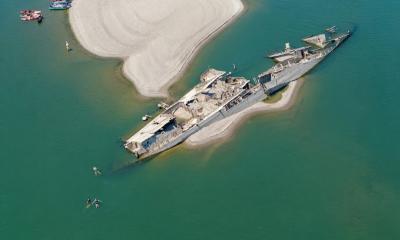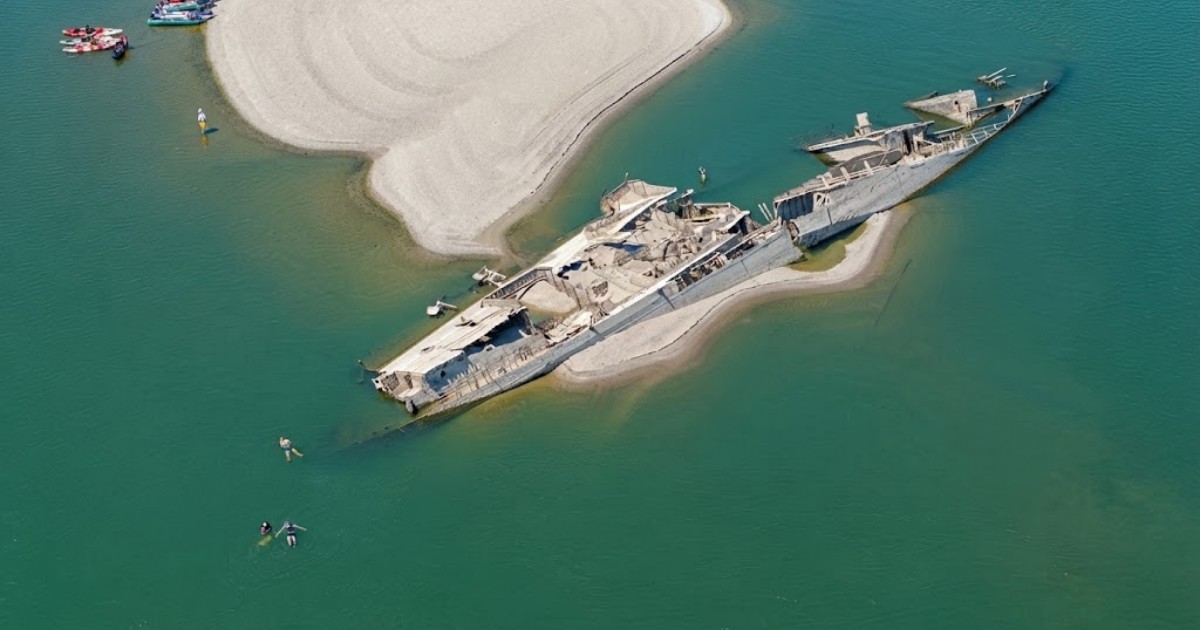
Record-low water levels caused by extreme heat and prolonged drought have exposed at least twenty sunken World War Two Nazi warships in the Danube river near Prahovo, Serbia, according to BBC News and Reuters. Rusted hulls and broken masts of the vessels, which belonged to a Nazi Black Sea fleet deliberately scuttled in 1944, are now visible from the riverbank. German Rear Admiral Paul-Willy Zieb ordered the ships sunk as Axis forces retreated from the advancing Red Army, blocking the vital waterway to prevent Soviet capture.
While wrecks have occasionally surfaced during previous dry spells, this summer`s severe climate conditions have brought dozens of vessels back into view, creating an eerie landscape along one of Europe`s major rivers. Many of the submerged ships still contain unexploded ordnance and ammunition, posing hazards to local navigation and prompting authorities to urge caution. Serbia has launched an estimated thirty million euro removal programme to clear the hazardous wrecks, though progress has been slow due to the complex nature of underwater explosives disposal.
Beyond the warships, the receding waters have unveiled several other notable historical artifacts across Central and Eastern Europe. Authorities in Budapest recovered a submerged German Wehrmacht motorcycle, while officials in Slovakia safely detonated a large British bomb discovered near Virt. In Bulgaria, falling water levels revealed the remains of the ancient Constantine Bridge at Gigen and thousands-of-years-old woolly mammoth bones near Ryahovo, providing valuable opportunities for regional archaeologists.
According to the European Union`s Copernicus Climate Change Service, Europe is warming at more than twice the global average, intensifying heat extremes and recurring drought cycles. These environmental shifts have severely disrupted commercial navigation and river cruise operations along the Danube, forcing operators to adjust itineraries and transfer passengers. Historians and travelers note that the exposed wartime relics serve as stark reminders of past conflicts while highlighting contemporary climate challenges.