Alastair Munro, a 49-year-old construction engineer from Inverness, Scotland, recently faced a life-altering battle with a condition many men have never even heard of: penile cancer. What started as a small, seemingly insignificant lump on the head of his penis quickly escalated into a medical emergency. Despite his initial suspicion that something was seriously wrong, Munro delayed visiting his GP for about six weeks. When he finally sought medical advice, the diagnosis was swift and shocking. He was told it was likely cancer, a rare condition that affects only 80 to 90 men a year in Scotland and approximately 700 across the United Kingdom.
The journey from diagnosis to recovery was both physically and emotionally grueling. After a biopsy and a CT scan confirmed that the cancer was spreading to his lymph nodes, Munro had to undergo a complex seven-hour operation. The procedure involved the removal of the tumor and 30% of his penis. Surgeons also had to remove cancerous nodes from his groin to prevent further spread. To restore some form of normality, his penis was reconstructed using a skin graft taken from his thigh. However, the path to being cancer-free was not straightforward. A second surgery lasting three and a half hours was required after tests showed a small amount of the tumor remained after the first attempt.
What makes Alastair Munro`s story particularly remarkable is his decision to allow a BBC camera crew to film his surgery. Featured in the documentary series "Surgeons: At The Edge of Life," Munro chose to share his most vulnerable moments to break the stigma surrounding male-specific cancers. He admitted that watching the footage was "gruesome" and that seeing himself suffer a major bleed on the operating table was a shock. Yet, his primary motivation remained firm: to raise awareness. He believes that if even one man sees his story and decides to visit a doctor instead of hiding out of embarrassment, the ordeal will have been worth it.
The aftermath of the surgery and subsequent radiotherapy has left Munro with significant health challenges. He currently suffers from lymphedema, a condition involving tissue swelling that prevents him from urinating normally or having sexual intercourse. While he hopes to undergo reconstructive plastic surgery in a year to address these complications, he has also been warned of a high chance that the cancer could return within the next two years. Despite these looming shadows, Munro was given the "all-clear" from cancer in February and has since returned to his job in construction engineering.
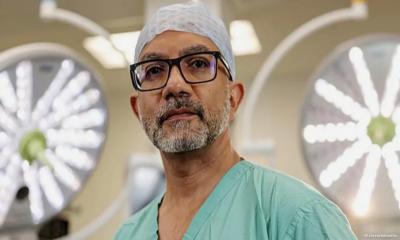
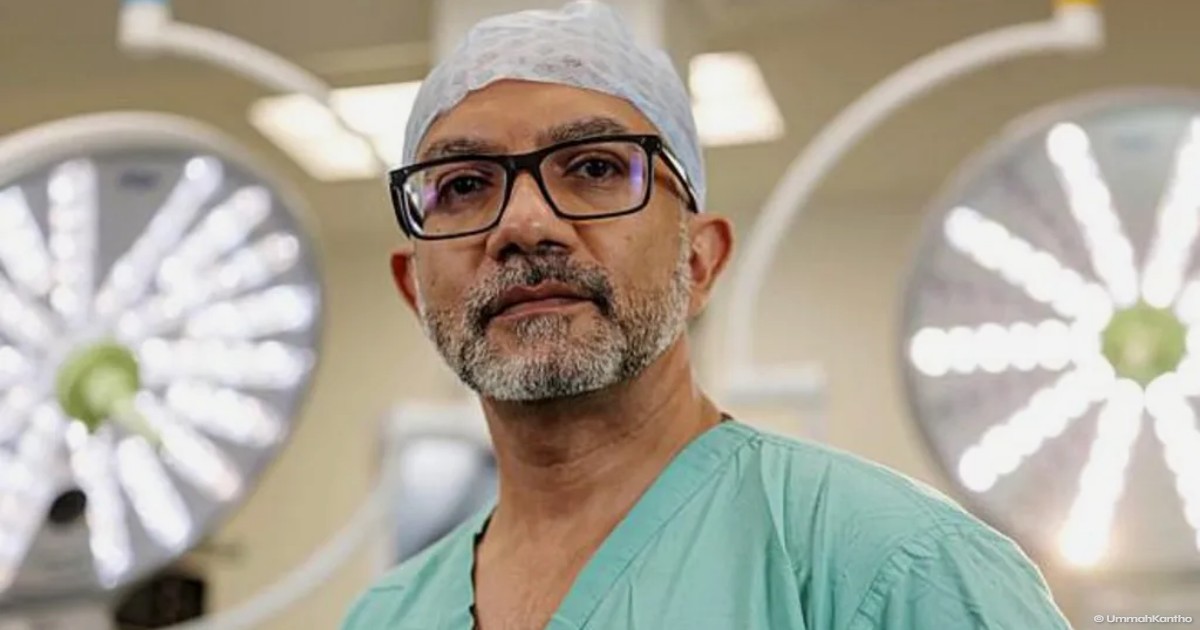
Medical experts are using Munro`s case to highlight a growing concern in the UK. Consultant Urological Surgeon CJ Shukla, who performed Munro`s operation, pointed out that Scotland has the highest incidence of penile cancer in the country. Projections suggest that these numbers will continue to rise through 2040. Risk factors such as smoking, obesity, poor hygiene, and the Human Papillomavirus (HPV) are often linked to social deprivation but can affect men from any background. Shukla emphasized that many patients wait two or three months before seeking help, often due to a combination of embarrassment and misdiagnosis by GPs who mistake the symptoms for common infections like thrush.
Here is the thing about penile cancer: it is difficult to spot and often painless in its early stages. Alastair Munro’s message to other men is simple and direct—do not wait. Whether it is a small spot, a lump, or unusual bleeding, immediate medical consultation is vital. Munro credits the staff at Edinburgh`s Western General Hospital and the NHS for saving his life. His bravery in sharing a "deeply personal" story serves as a critical reminder that medical awareness must overcome social taboos to save lives.