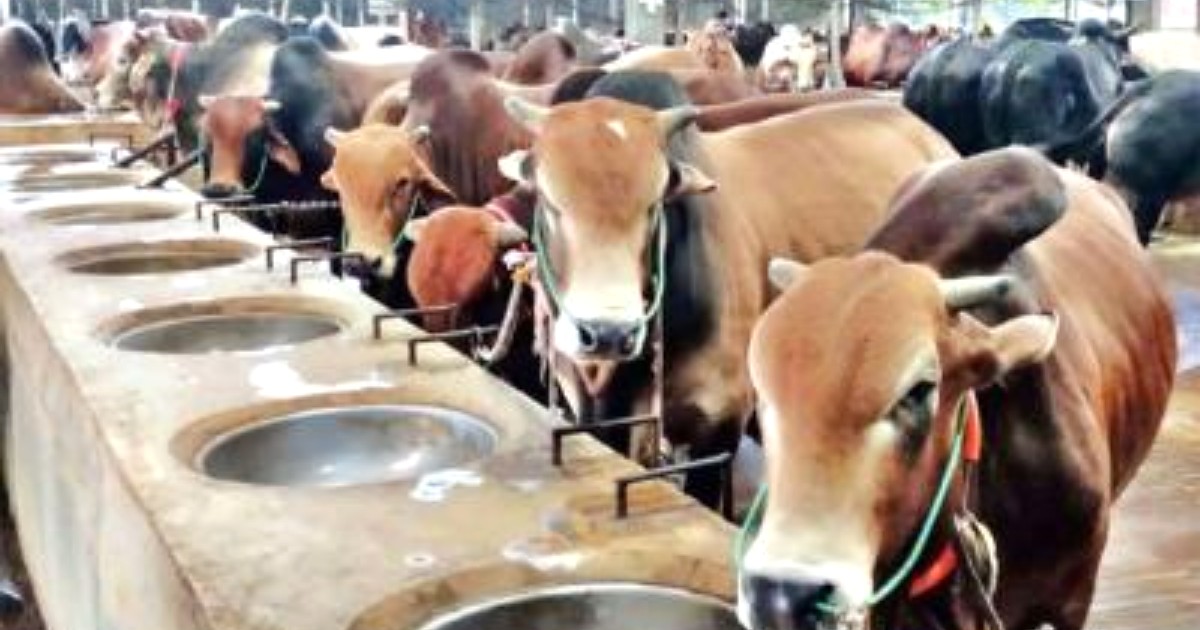
As the annual observance of Eid-ul-Adha approaches, a familiar ideological debate resurfaces across global media platforms concerning the ethics of traditional livestock slaughter. Critics frequently deploy arguments centered on modern animal welfare or perceived cruelty to challenge the scriptural validity of this institutional practice. However, an objective examination of Islamic jurisprudence, Quranic philosophy, and peer-reviewed neurological research reveals that this ritual is not an act of wanton violence. Instead, it functions as a highly regulated framework designed to balance human nutrition, economic redistribution, and ecological sustainability under a divine mandate.
Evaluating whether this ancient institutional tradition causes unnecessary trauma requires a thorough look at empirical research.
According to the explicit text of Surah An-Nahl, the Creator specified that livestock was brought into existence to serve the structural needs of human civilization, offering both protective materials and vital nourishment (Quran, 16:5). Crucially, the theological framework completely rejects the notion of sadistic pleasure or mere bloodletting, as Surah Al-Hajj explicitly mandates that neither the flesh nor the blood reaches God, but rather the internal piety and moral consciousness of the believer (Quran, 22:37). To enforce humanitarian standards on the ground, prophetic traditions recorded in Sahih Muslim strictly prohibit causing unnecessary trauma to the animal during the process. The directives require knives to be exceptionally sharp, forbid sharpening instruments in the presence of the herd, and ban executing the process within the line of sight of other cattle.
Neuro-Scientific Assessments of the Halal Methodology
While contemporary animal rights groups often characterize traditional incisions as inherently cruel, empirical laboratory data presents a radically different perspective on the matter. A landmark study conducted at the University of Veterinary Medicine Hannover in Germany by Professor Wilhelm Schulze and Dr. Hazim analyzed pain responses by implanting direct electrodes into the cerebral cortices of cattle. The neurological recordings demonstrated that the rapid, clean severance of the primary carotid arteries causes a sudden drop in blood pressure, inducing total unconsciousness within a few seconds. Conversely, conventional Western stunning techniques—such as captive bolt pistols—frequently recorded severe pain spikes and prolonged cerebral trauma in test subjects.
Furthermore, the rapid and unimpeded drainage of blood achieved through traditional incisions fundamentally purges the muscle tissue of metabolic waste and biological toxins. This thorough evacuation prevents immediate bacterial colonization, ensuring the meat remains structurally hygienic and durable for long-term human consumption.
Macro Food Chains and Global Socio-Economic Realities
From a global economic perspective, data monitored by the United Nations Food and Agriculture Organization (FAO) indicates that commercial industries slaughter roughly 200 million animals daily to satisfy mass consumer demand. Compared to this massive, continuous global extraction, the collective annual volume processed during the short window of Eid-ul-Adha constitutes a microscopic fraction of the international livestock index. Condemning ritual slaughter while routinely consuming mass-produced commercial poultry represents a significant logical contradiction within contemporary social discourse. From a nutritional standpoint, animal-derived protein provides essential amino acids vital for human development, serving as the primary source of premium nourishment for millions of impoverished families who face systemic food insecurity throughout the year.
The socio-economic dimensions of the practice are equally profound, as mandatory institutional laws require the immediate distribution of a major portion of the yield to marginalized communities. Additionally, industrial sub-products such as hides, bones, and organic fats feed critical manufacturing and fertilizer sectors, driving substantial capital back into agrarian economies. Ultimately, traditional ritual slaughter is not a cruel relic of antiquity, but a highly sophisticated, scientifically sound model that preserves societal equilibrium and human dignity.