Australia`s political landscape has undergone a significant transformation as the right-wing populist One Nation party secured its first-ever federal lower-house seat. In a historic by-election result in the regional constituency of Farrer, One Nation candidate David Farley emerged victorious with an overwhelming mandate. According to initial vote counts reported by the BBC and Reuters, Farley captured approximately 60% of the primary vote, leaving independent challenger Michelle Milthorpe trailing significantly behind. This victory is being characterized by political analysts as a pivotal moment for the party and a stark warning to Australia`s traditional political establishment.
The by-election in Farrer was necessitated by the resignation of Sussan Ley, the former deputy leader of the opposition Liberal Party, who stepped down after being ousted from her leadership role. While the loss of this seat does not threaten the Labor government’s substantial majority in the House of Representatives, the outcome signals a profound shift in voter sentiment. Saturday’s poll served as the first major federal test for One Nation since the party recorded an impressive performance in the South Australian state elections earlier this year. The result confirms that the momentum gained in regional pockets is now translating into federal representation.
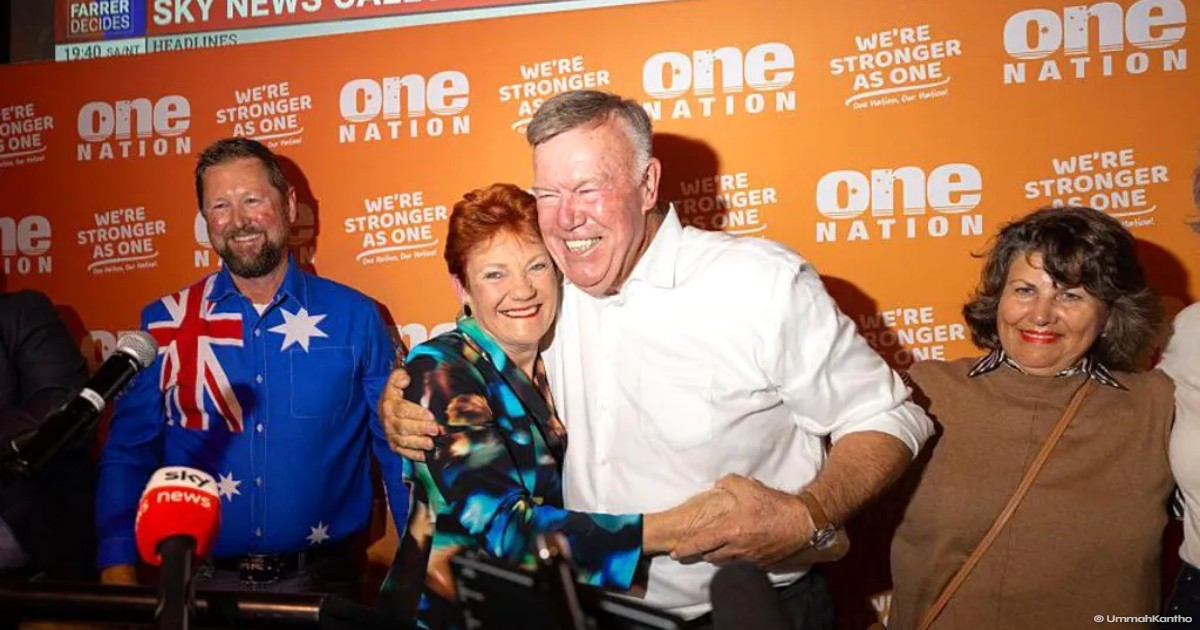
As the victory became certain, One Nation leader Pauline Hanson addressed a crowd of jubilant supporters, emphasizing that this was more than just a local win. Hanson stated that the result in Farrer was a "win for Australia" and signaled her party`s intent to target more seats in upcoming elections. David Farley, who brings a background in agribusiness to the parliament, told his supporters that One Nation has "reached the end of its beginning" and is now prepared to challenge the status quo. His campaign focused heavily on the perceived disconnect between major party politicians and the concerns of regional Australians, a message that clearly resonated with the electorate.
Farrer is a massive regional constituency in New South Wales, covering an area of 127,000 square kilometers, which is geographically larger than South Korea. It includes major regional hubs such as Albury, Griffith, and Deniliquin. Historically, the seat has been a stronghold for the Liberal and National parties. The fact that One Nation managed to break this decades-long dominance indicates a fracturing of the traditional conservative base. This development presents an immediate challenge for the new leaders of the Coalition, Angus Taylor of the Liberals and Matt Canavan of the Nationals, both of whom are struggling to rebuild their parties after a devastating general election defeat last year.
Australia utilizes a preferential voting system, which requires a winner to eventually secure a majority of votes after the distribution of preferences. One Nation’s ability to win on primary votes alone in such a significant margin highlights the depth of local support for Farley. Historically, Pauline Hanson had held a seat in the late 1990s as an independent, but the party had never successfully contested a federal lower-house seat until now. While Hanson currently serves in the Senate, Farley’s entry into the House of Representatives provides the party with a crucial platform in the chamber where the government is formed. This shift underscores a growing trend in Western democracies where voters are increasingly looking toward populist alternatives in response to economic and social pressures.