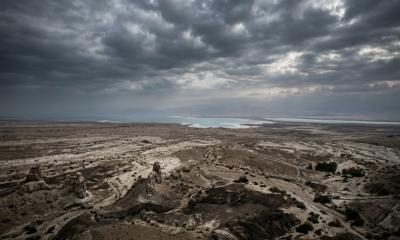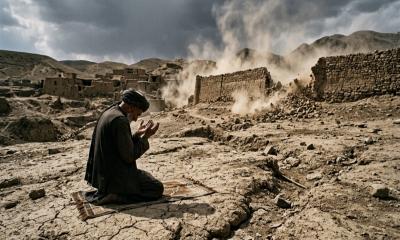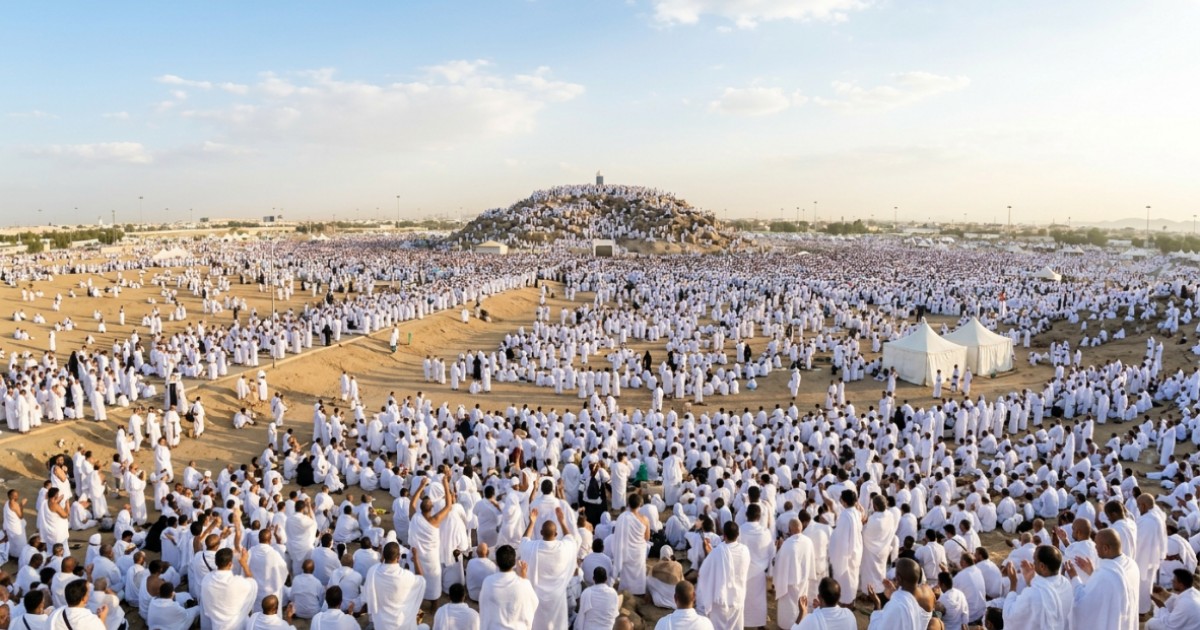
The Day of Arafah holds a profound spiritual significance for Muslims worldwide. On the ninth day of Dhul-Hijjah, pilgrims gather on the plains of Arafat, marking the essential and most critical pillar of the Hajj pilgrimage. The spiritual weight of this day, however, extends far beyond those currently performing the Hajj, offering a unique opportunity for grace to every believer.Arafat serves as the very heart of the Hajj.
Authentic Hadith traditions emphasize the supremacy of this day, describing it as the greatest day of the year in the sight of Allah. It is viewed as a celebration, marking the preparation for Eid al-Adha, a day of sacrifice and joy. The historical significance of the day is tied to the perfection of Islam itself, as the verse revealing the completion of the religion and the blessing of Allah was revealed on this auspicious day— (Surah Al-Ma`idah, 5:3).
For those seeking spiritual liberation, the Day of Arafah is a day of unmatched hope. Tradition holds that on this day, Allah frees more people from the Fire of Hell than on any other day (Ibn Majah, 3914). For those not performing Hajj, observing a fast on this day is highly recommended. The Prophet Muhammad (peace be upon him) noted that fasting on the Day of Arafah serves as an expiation for sins of the preceding year and the coming year (Sahih Muslim, 1162).
The power of supplication—dua—is particularly potent on this day. The Prophet (peace be upon him) stated that the best dua is the dua made on the Day of Arafah (Sunan At-Tirmidhi, 3585). It is a day for sincere repentance, expressing gratitude, and affirming the oneness of the Creator. Islamic tradition elevates this day as a prime moment for internal purification and divine connection.
Ultimately, the Day of Arafah is more than just a date on the calendar; it is a sacred opportunity for renewal. By engaging in worship, dua, and fasting, believers strive to align their hearts with the mercy and forgiveness of Allah, making it a day of immense spiritual harvest.